


 80
/ 5
Min Read
80
/ 5
Min Read


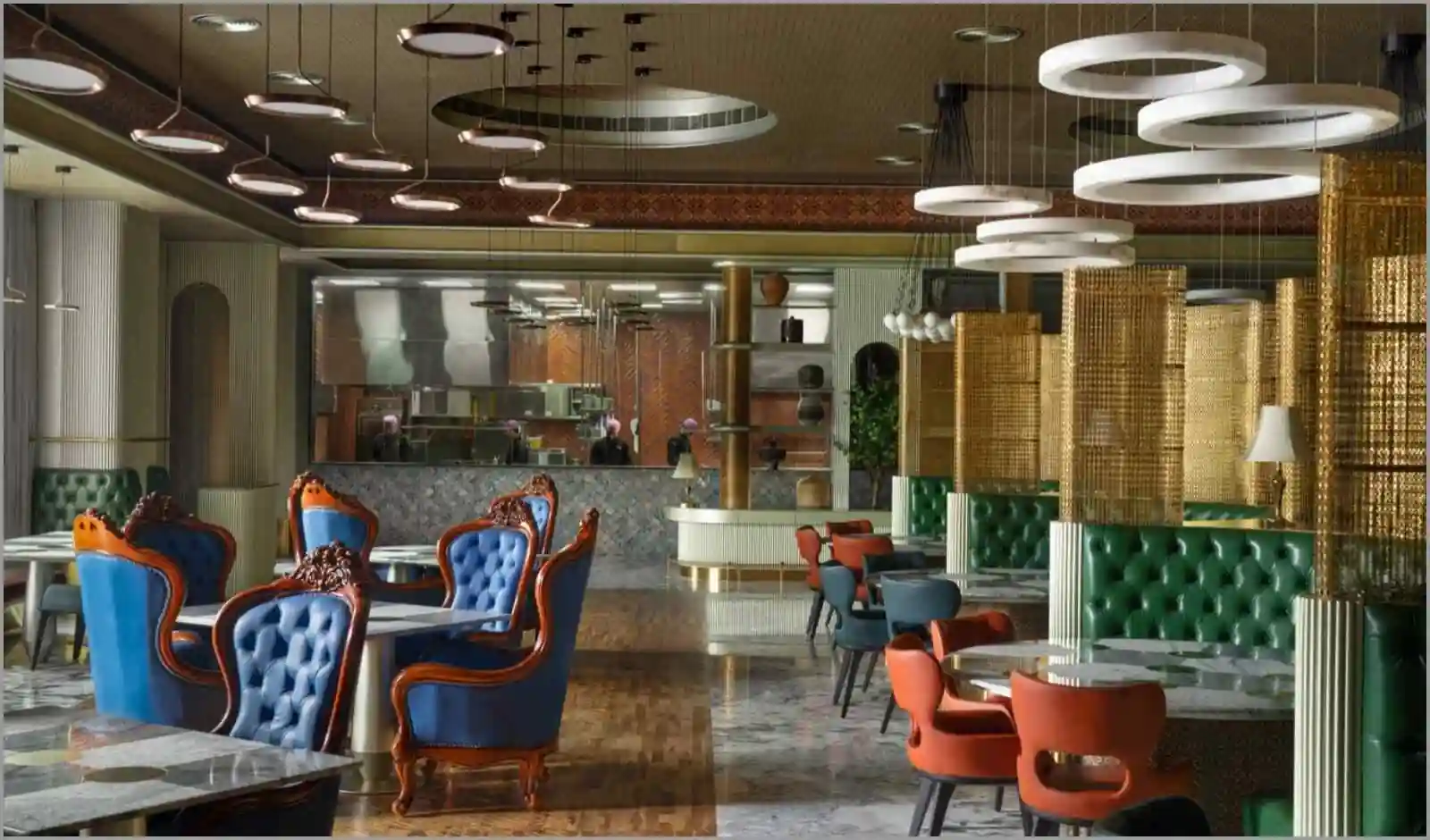
Indian hospitality has always been shaped by continuity. Recipes travelled from one generation of chefs to the next. Hotel cultures formed their own internal traditions. Restaurants carried the signature touches that loyal guests came back for year after year. For a long time, this continuity was not only comforting, but it was also commercially sound.
But over the last decade, a quiet shift has been taking place. India’s diners and travelers are seeking more than familiarity. They’re choosing dining rooms with a point of view, smaller menus built on clarity, boutique hotels with intentional storytelling, and experiences that feel thoughtfully stitched together rather than broadly designed for everyone.
As these expectations evolve, a new generation of hospitality leaders, many stepping into family-run restaurants or hotels, others returning from global exposure, some entering the industry for the first time, find themselves at an interesting intersection: How do you honour what came before you, while shaping what must come next?
Listening before changing research as the new foundation
Before this generation rewrites anything, many of them are doing something that traditional hospitality often skipped: they’re listening to the data.
Consumer reports and global F&B trend studies show a clear pattern:
- Guests are choosing experiences that reflect identity, not just convenience.
- Discovery happens online, through visual storytelling, reviews, and cultural cues.
- Loyalty is shifting from favourite dishes to favourite feelings
In my own early experiences advising and working within hospitality teams, looking at this data alongside feedback forms, reviews, and repeat-visit patterns provided clarity. It helped separate what guests still value from what they’ve quietly outgrown. Research doesn’t replace instinct. It simply refines it.
Gently challenging the inherited rules
Every long-standing restaurant or hotel operates with a set of internal truths. Not because someone wrote them down, but because they were passed along unquestioned. The new wave is not discarding these beliefs but they’re examining them with fresh eyes. Across operations, certain shifts are becoming common:
Menus with a viewpoint: Instead of large, “safe” menus, many younger teams are designing tighter, concept-led menus that reflect a culinary identity guests can understand and remember.
Systems over dependence: Legacy businesses often relied on strong individuals. Today, documentation of recipes, beverage manuals, prep flows, service rituals, etc. is becoming essential infrastructure.
Culture as a brand pillar: Instead of associating discipline with fear, leaders are adopting coaching styles, structured training, and clear growth pathways.
Leadership is shifting from authority to authorship
One of the biggest lessons many next-generation leaders encounter early is that hospitality cannot rely solely on hierarchy anymore. The modern workforce is younger, more aspirational, and more sensitive to burnout. This is pushing leaders toward:
-collaborative kitchen tastings
-sharing context during menu development
-consistent training instead of reactive correction
-involving junior team members in decisions that affect them
The outcome is not just happier teams; it’s more consistent guest experiences. When staff feel ownership, they deliver with intention.
Experience has become the real differentiator
Whether we’re talking about a restaurant or a boutique hotel, the offering today is no longer defined by one element. Guests experience the whole ecosystem:
- How the brand looks online
- The welcome moment
- The coherence between kitchen, bar, and design
- The narrative behind flavours, textures, or spatial choices
- The emotional tone the space carries
Ambience, beverage programs, tableware, scent, lighting, and pacing are no longer considered “extras.” They are part of the product itself.
Reinvention with respect: choosing what to carry forward
Most next-generation leaders entering hospitality today aren’t trying to distance themselves from tradition. If anything, they’re deeply aware of its value, its craft, its stability, its stories. The strongest brands emerging right now are the ones that:
- Honour the legacy that anchors them
- Refine practices that no longer serve the guest or the team
- Articulate a clear identity that resonates with today’s India
- Innovate without severing the lineage that gives them meaning
A thoughtful handover between what was built, and what must now evolve. And in that handover lies the blueprint for where Indian hospitality is headed grounded in its past, but unafraid to shape its future.
 This article was originally published by the Restaurantindia.in. To read the full version, visit here


