


 38
/
4
Min Read
38
/
4
Min Read



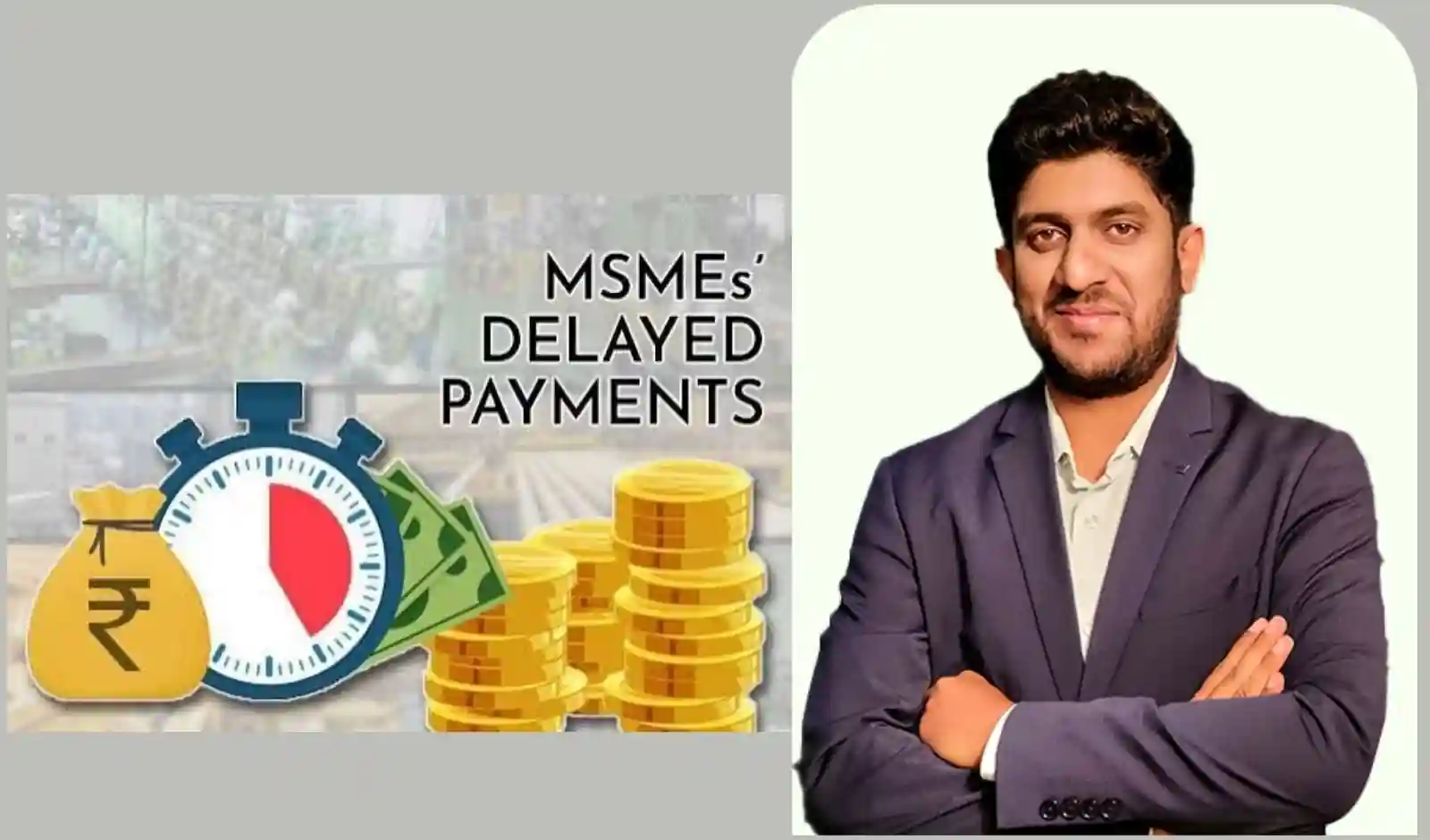
India’s MSME financing challenge is increasingly becoming a question of timing, rather than simply access to credit.
For a business that has completed an order and raised an invoice, the transaction may be complete, but the cash may still be weeks or months away. Meanwhile, salaries, supplier payments, inventory purchases and the next order cycle continue. The gap between earning revenue and receiving cash is therefore becoming an increasingly important factor in how MSMEs manage working capital.
When Revenue Does Not Mean Available Cash
For an MSME, an unpaid invoice represents revenue that may already have been earned but is not yet available for use. When receivables remain outstanding, businesses may have to postpone purchases, negotiate longer payment terms with suppliers or seek additional borrowing simply to maintain day-to-day operations.
The impact can become more pronounced for businesses operating with limited working-capital buffers. A delayed payment from one customer can affect a company’s ability to pay a supplier, which can, in turn, affect its ability to fulfil the next order. What begins as a payment delay can therefore become a broader financing requirement.
For many MSMEs, the challenge is not necessarily a lack of business, but the gap between when a transaction is completed and when the cash from that transaction reaches the business.
Bridging the Gap Between Traditional Credit and Immediate Needs
Traditional working-capital products remain important for MSMEs, but not every liquidity requirement is the same.
A business that has already supplied goods or services to an established enterprise may not necessarily need a larger, longer-term loan. It may need liquidity against a specific receivable while it waits for the payment cycle to close. This is creating greater relevance for financing models that are more closely linked to the underlying transaction and the cash flow it is expected to generate.
Why Invoices Are Becoming More Relevant
The shift is significant because it moves the conversation from simply asking whether an MSME can access credit to asking whether it can access the right form of credit at the right point in its cash cycle.
Invoice-linked financing is one way of addressing this gap. It allows eligible businesses to unlock liquidity against outstanding invoices rather than waiting for the entire receivable cycle to end.
The relevance of this approach goes beyond the financing mechanism itself. As digital records, transaction histories and business cash flows become easier to assess, lenders and fintech platforms can evaluate businesses using a wider range of information about their actual activity.
From Access to Credit to Access at the Right Time
For smaller businesses, this can be particularly relevant because their ability to grow may depend less on generating new orders and more on bridging the period between fulfilling those orders and receiving payment.
This also creates an opportunity for lenders to assess credit requirements closer to the underlying business transaction, rather than treating every working-capital need as a generic borrowing requirement.
The broader shift in MSME finance may therefore be less about replacing traditional lenders and more about creating financing options for different stages of the business cash cycle.
Why Timely Liquidity Matters for MSMEs
For an MSME, timely liquidity can determine whether it can accept another order, purchase inventory, pay suppliers or continue operations through a period of uneven collections. In such situations, the value of credit is closely tied to when it becomes available.
At the same time, the expansion of alternative credit places greater importance on responsible lending. MSMEs need clarity on the total cost of financing, repayment structures and eligibility, while lenders and fintech platforms need to maintain disciplined underwriting as they expand access.
What Changes as MSME Cash Flows Become More Visible
India’s growing digital lending ecosystem is making it possible to assess businesses through a wider range of transaction and cash-flow data. As this develops, the definition of a financeable asset could gradually move beyond conventional collateral towards identifiable receivables and business cash flows. That does not mean delayed payments will disappear. However, the way MSMEs manage the period between delivering a product or service and receiving payment is changing.
The larger opportunity for the financial ecosystem is to recognise this gap more precisely and build financing solutions around the actual cash-flow requirements of businesses.
For MSMEs, that could mean a gradual shift from asking simply, “Can I get credit?” to a more practical question: “Can I access the liquidity I need, when I actually need it?”
(Author: Vinod Varma, Co-founder and CEO at UpTik, Views are personal)


