


 71
/
5
Min Read
71
/
5
Min Read


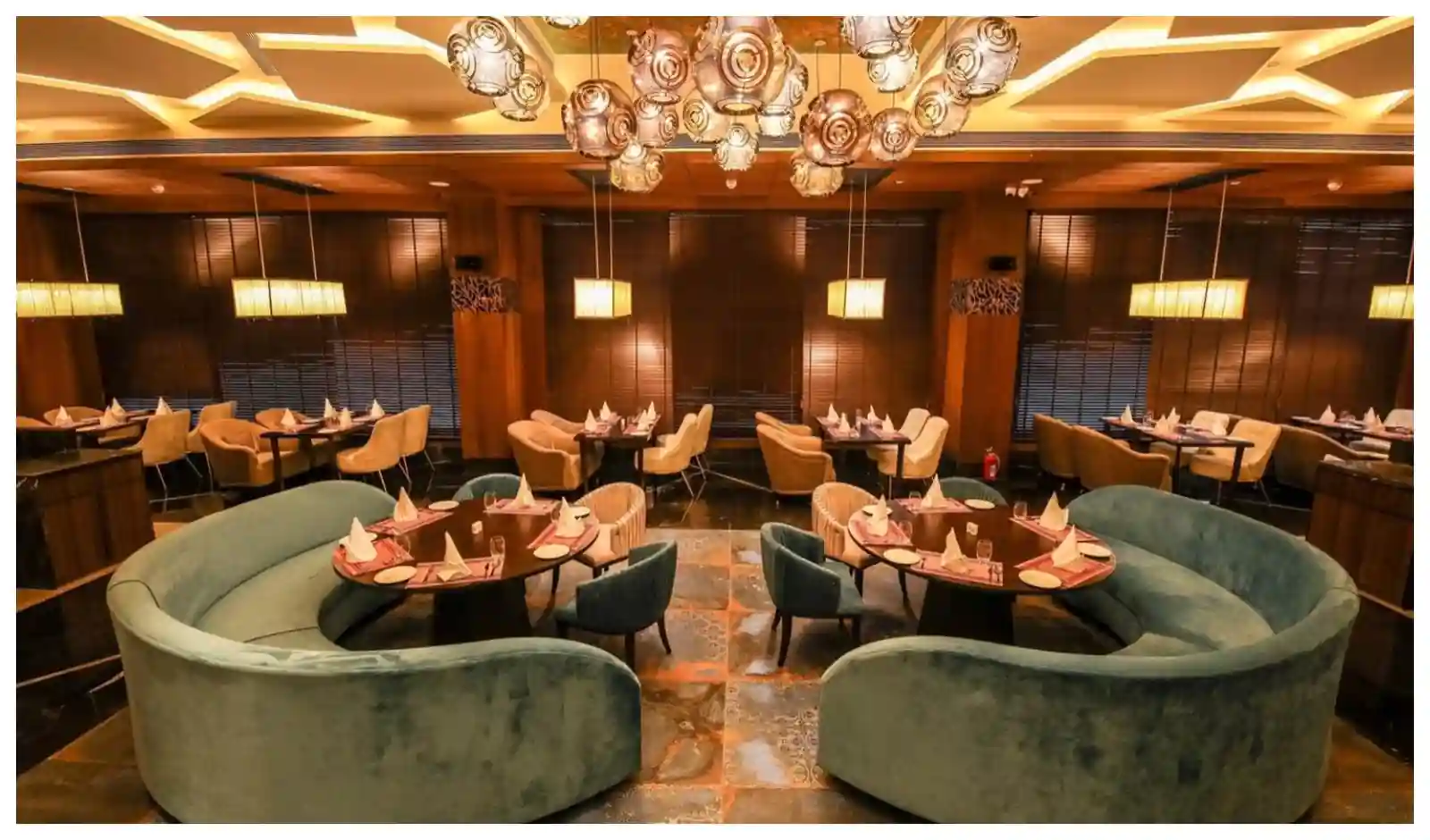
In today’s competitive dining landscape, customer experience has become as important as food quality. Modern restaurants are no longer judged only on taste or ambience, but on how guests feel at every touchpoint—from booking a table to post-meal follow-ups. Improving customer experience in restaurants today is a mix of thoughtful service, smart processes, and well-trained people. To stay relevant and build loyalty, restaurants are adopting structured strategies that combine people, processes, technology, and data. Here are the key strategies to focus on:
Focusing on Experiences
Restaurants improve guests experience by focusing on making SOPs, consistent training, and constantly upgrading operational processes. To run a successful operator the great experiences must be constant and should not vary as per the staff.
For a great experience restaurant tracks the guest from the time they entre at the concierge desk, dining and the exit.
Commenting on this, Prashant Chandra, Co-Founder, Amicii said, “SOPs are set for welcoming the guest, attending the table, speed of service such as food and cocktails, and bidding farewell. This are followed consistently to make sure guests receive the standard service in every visit.”
Personal touches as attending to the guest complaints immediately, proper communication, and attention to details further improve satisfaction and loyalty.
Employee Training as Core
Team training is centered on understanding the personality of each space, whether it is the brewhouse, terrace or high energy social zones, so that service feels intuitive and aligned with the guest’s mood.
“Our teams undergo structured onboarding and regular skill building sessions covering menu storytelling, beverage knowledge, and service pacing and crowd management. Strong SOPs and technology enabled order management help streamline operations reduce bottlenecks and ensure smooth service flow even during high footfall periods,” said Sharath T. Gowda, Founder of Arena Brewhouse who also pointed that their strategy focuses on seamless coordination, clear communication and high service agility.
For Yuki, the focus is on creating a seamless dining journey where guests feel welcomed, understood and cared for at every touchpoint.
Moving further, Priyesh Busetty, Co-founder, Yuki added, “We invest significantly in staff training, ensuring our teams are well versed not only in menu knowledge and service protocols, but also in guest engagement and problem solving. Regular training sessions, preservice briefings and hands on mentoring help maintain service standards across shifts.”
Power of Personalization
Personalisation comes from observation and memory — remembering preferences, adjusting flavours to known palates, and offering thoughtful off-menu suggestions when appropriate.
Flexibility is encouraged as long as quality is never compromised. Busetty said, “Our teams are encouraged to remember preferences, recommend dishes based on past visits and adapt service styles to suit different guest profiles.”
Importance of Feedback
Customer feedback directly influences menu refinements, service training and overall experience enhancements. Loyalty initiatives and repeat guest recognition further strengthen our relationship with customers, helping us deliver experiences that feel thoughtful, familiar and genuinely engaging.
Divya Kadam, Founder, Baliboo & Bodega 39 said, “Feedback is taken seriously, not emotionally. We listen on the floor and online, identify patterns, and act fast. This directly influences service pacing, menu tweaks, and team retraining when needed.”
Busetty shared that actively collect inputs through in person conversations, online reviews and repeat guest interactions, and regularly review this feedback to identify areas of improvement.
Restaurants also check on the feedback trends on how often and repeated complaints on service or food to address the concerns and train or rectify the issues. Chandra noted that addressing the guest feedback by responding and taking immediate actions and corrective measures builds guest trust and loyalty.
Tracking Guest Experience Metrics
Restaurants use guest metrics such as repeat visit rate, complaint resolution time and online rating trends. Operational metrics such as table turnover, and order accuracy together with interactions, feedback and metrics improve the turn’s great service into a measurable and repeatable.
“We track guest sentiment and experience patterns to refine offerings, improve service touchpoints and enhance overall ambience. Loyalty programs, curated experiences and repeat guest recognition allow us to build lasting relationships while delivering experiences that remain dynamic, engaging and memorable,” highlighted Gowda.
Standard Operating Procedures (SOPs)
Restaurants use clear Standard Operating Procedures (SOPs) for tasks such as order flow, table turnover, billing, and cleaning. Technology like POS systems, kitchen display screens, QR menus, and inventory tools reduces errors and improves coordination between front and back of house. Regular reviews meeting and performance metrics help identify bottlenecks and drive improvements.
Chandra noted that the restaurant you excel in guest experience and satisfaction often has good work culture, training standards and processes making flawless operations and great guest experience.
“However, data helps us make informed decisions, but hospitality remains a human business first,” shared Kadam. Busetty pointed that these reduce wait times, ensure consistency in food quality and maintain a calm, attentive service environment even during peak hours.
 This article was originally
published by the Restaurantindia.in. To read the full version,
visit here
This article was originally
published by the Restaurantindia.in. To read the full version,
visit here 


