


 52
/
3
Min Read
52
/
3
Min Read


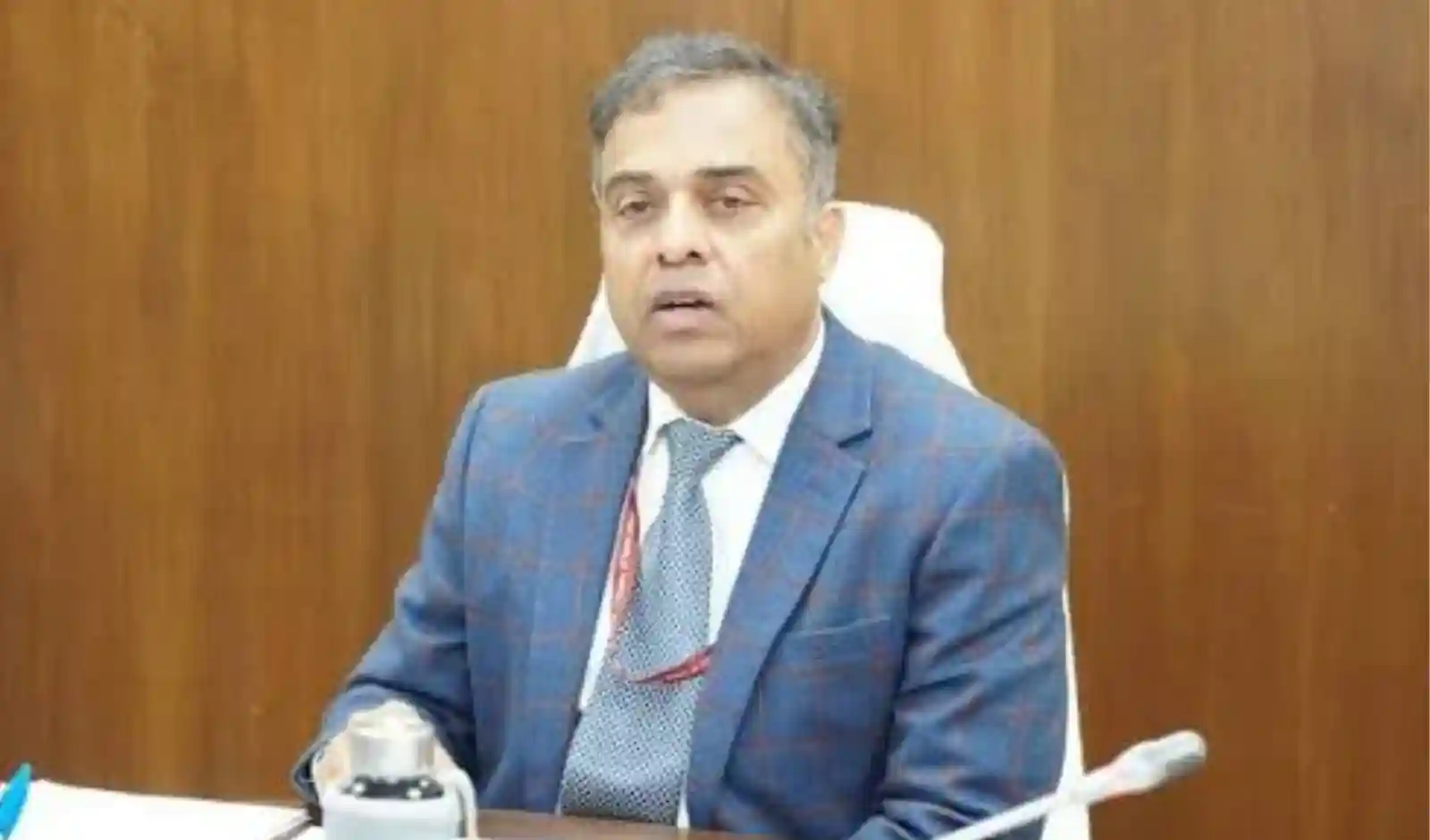
The Indian government is preparing to expand electric mobility into the private sector, with a focus on increasing the adoption of electric buses. The Ministry of Heavy Industries (MHI) is exploring measures such as interest subsidies and partial credit guarantees to make financing for electric buses easier and more affordable. Hanif Qureshi, Additional Secretary at MHI, said at the India Clean Transportation Summit 2026 that banks currently consider electric bus financing relatively high-risk. He estimated that around 50,000-60,000 electric buses could be added to the segment over the next five years.
Electric bus deployment is also gaining momentum under the government existing programmes. Under PM E-DRIVE, 4,391 crore has been allocated to support 14,028 electric buses, while the PM e-Bus Sewa-Payment Security Mechanism aims to support more than 38,000 electric buses. However, most of these programmes are focused on public transport. The ministry is now looking to increase the penetration of electric buses in private fleets, particularly among smaller operators that typically own a limited number of buses or trucks.
Electric trucks are being viewed as the next major challenge for vehicle electrification. According to Qureshi, electric trucks currently account for less than 0.1% of the segment, compared with around 42% electric penetration in three-wheelers. Heavy trucks also have a significant contribution to transport-related emissions. The government has introduced a ₹500-crore incentive programme for electric trucks under PM E-DRIVE, which is expected to support around 5,600 e-trucks. Ports, steel, cement and logistics are among the key potential users.
The MHI is also focusing on expanding charging infrastructure along high-density freight and bus corridors. The ministry has identified three corridors with high truck movement and is working to ensure adequate charging availability along these routes. Earlier, it had identified 24 high-density freight corridors and 50 bus corridors for charger deployment. PM E-DRIVE has earmarked 2,000 crore for public EV charging infrastructure, while 67,657 EV chargers had been installed across the country as of August.
The government views EV adoption not only as a way to reduce emissions but also as an important measure for energy security. India imports more than 85% of its crude oil requirements, leaving the transport sector exposed to global oil prices and geopolitical disruptions. Alongside electrification, the government is also promoting domestic EV and auto-component manufacturing. Private electric buses, heavy electric trucks, charging corridors and affordable financing are therefore expected to become key pillars of India’s next phase of vehicle electrification.


