


 202
/
2
Min Read
202
/
2
Min Read


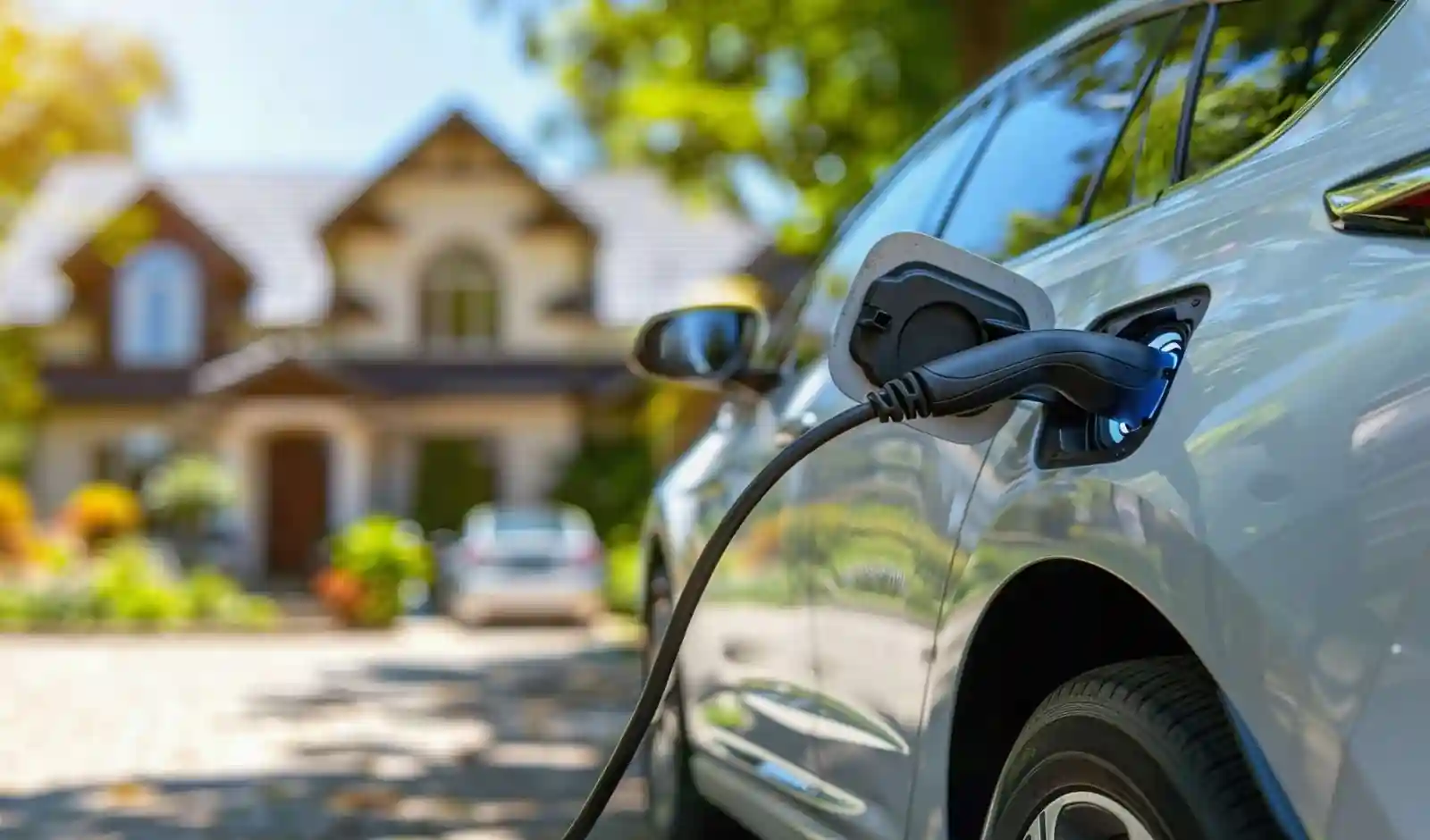
In a significant step to promote electric vehicle (EV) adoption, the Haryana government has amended the Haryana Building Code 2017, making EV charging infrastructure mandatory in all new and renovated residential and commercial developments. The move is aimed at strengthening the state's EV-readiness framework and supporting the transition to sustainable mobility.
Under the revised regulations, commercial and non-residential buildings such as shopping complexes, malls, hotels, and office spaces with parking facilities for at least 10 cars must provide a minimum of one EV charging point for every three parking slots. Additionally, all such projects will be required to be 100% EV-ready, with conduits installed in advance to facilitate future charging infrastructure.
For residential developments, including group housing societies, cooperative housing projects, and residential complexes managed by Resident Welfare Associations (RWAs), at least one EV charging point must be provided for every five parking spaces. These projects must also be fully EV-ready with charging conduits installed throughout the development.
According to a notification issued by the Town and Country Planning Department on June 5, 2026, EV charging infrastructure will be exempt from Floor Area Ratio (FAR) calculations. This measure is expected to encourage developers to install charging facilities without affecting the economic viability of their projects.
The revised code also allows EV charging stations to be installed in basement and stilt parking areas, subject to compliance with electrical and fire safety regulations. Developers will be required to disclose EV charging provisions while applying for Occupation Certificates.
The government has also extended the provisions to existing residential buildings. Individual apartment owners will be permitted to install EV charging facilities in their designated parking spaces, provided they comply with prescribed electrical and fire safety norms and obtain certification from the Fire Department and the relevant power distribution company.
Furthermore, the notification directs Haryana’s Fire and Emergency Services Department to develop comprehensive fire safety guidelines for EV charging infrastructure in consultation with the electricity department and power utilities.
As states across India accelerate efforts to boost EV adoption, Haryana’s latest initiative is expected to address one of the key barriers to electric mobility—charging accessibility. By mandating both charging points and EV-ready electrical infrastructure, the state aims to make urban residential and commercial developments more supportive of future EV growth.


