


 63
/
2
Min Read
63
/
2
Min Read


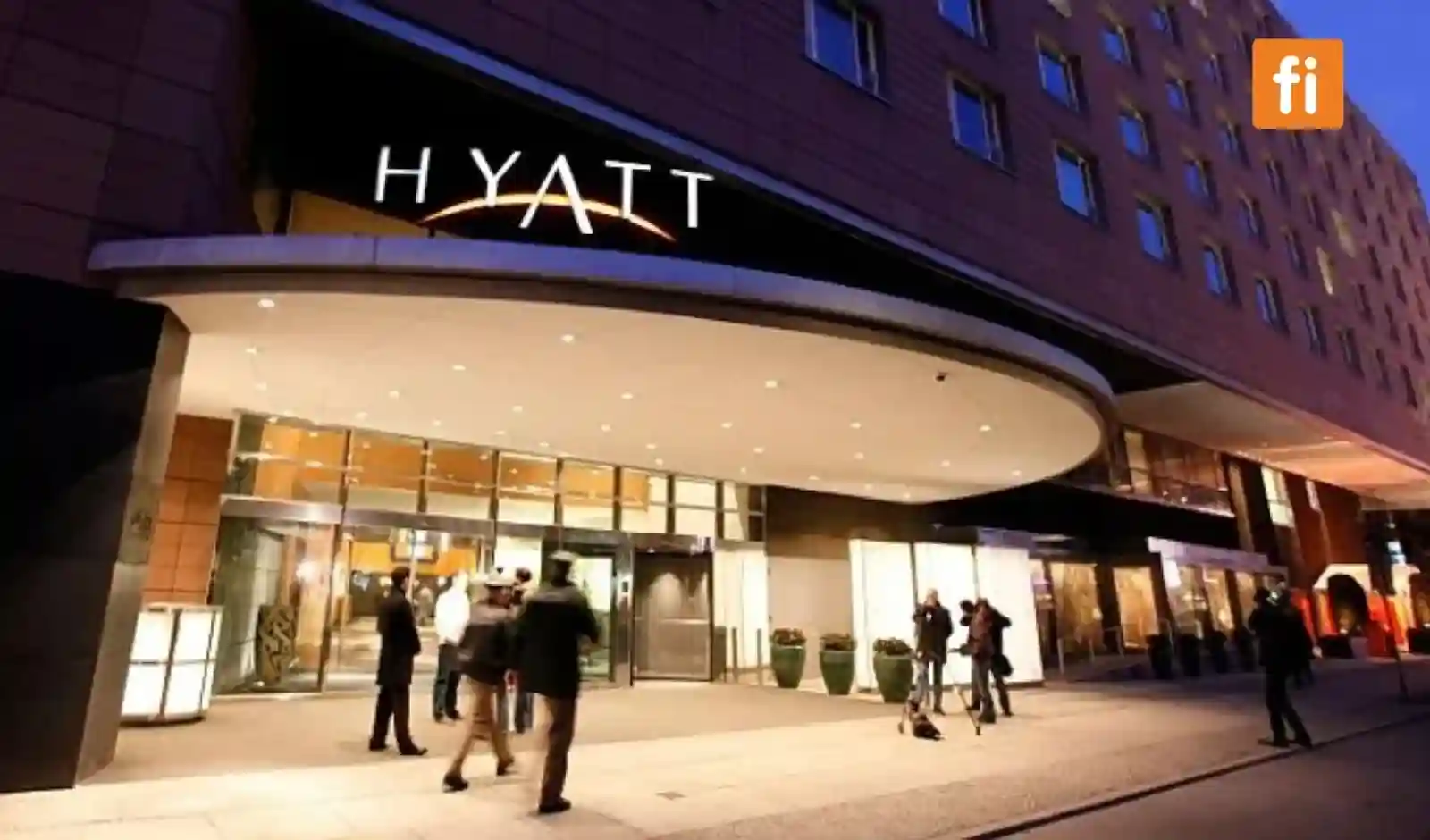
Hyatt Hotels Corporation is stepping up its India growth strategy, exploring acquisition opportunities alongside organic expansion to significantly enhance its presence in one of the world’s fastest-growing hospitality markets.
The company currently operates 55 hotels across India, with 91 more properties in the pipeline, underscoring a strong development momentum. Looking ahead, Hyatt is aiming for a fivefold expansion over the next five years, leveraging a mix of management contracts and selective inorganic growth opportunities.
Vikas Chawla, President for India and South West Asia, strong optimism about the market, highlighting rising demand for luxury travel and differentiated experiences among Indian consumers.
Echoing this sentiment, Stephen Ho, President – Greater China & Growth, Asia Pacific, noted that geopolitical tensions in West Asia have not dampened investor confidence in India’s hospitality sector, underlining the country’s resilience and attractiveness.
While Hyatt Hotels Corporation has historically followed an asset-light model centred on management contracts, it is now showing greater openness to inorganic growth avenues, including acquisitions and strategic investments.
At a global level, Hyatt has already adopted this approach through investments in real estate platforms and partnerships aimed at expanding niche offerings—indicating a similar strategy could be deployed in India as the company looks to accelerate scale and diversify its portfolio.
According to David Udell, Hyatt plans to open five new hotels in India in 2026, including the debut of the Destination by Hyatt brand in Jaipur, marking the company’s tenth brand in the country.
Hyatt Hotels Corporation plans to concentrate its expansion across key metro markets such as Mumbai, Bengaluru, New Delhi, and Hyderabad, while also strengthening its presence in leisure destinations, resorts, and spiritual and pilgrimage hubs across Tier II and Tier III cities.
This strategy mirrors a broader industry shift, where travel demand is increasingly moving beyond traditional metro centres toward experiential, cultural, and emerging destinations.
 This article was originally
published by the Franchiseindia.com. To read the full version,
visit here
This article was originally
published by the Franchiseindia.com. To read the full version,
visit here 


