


 99
/ 4
Min Read
99
/ 4
Min Read


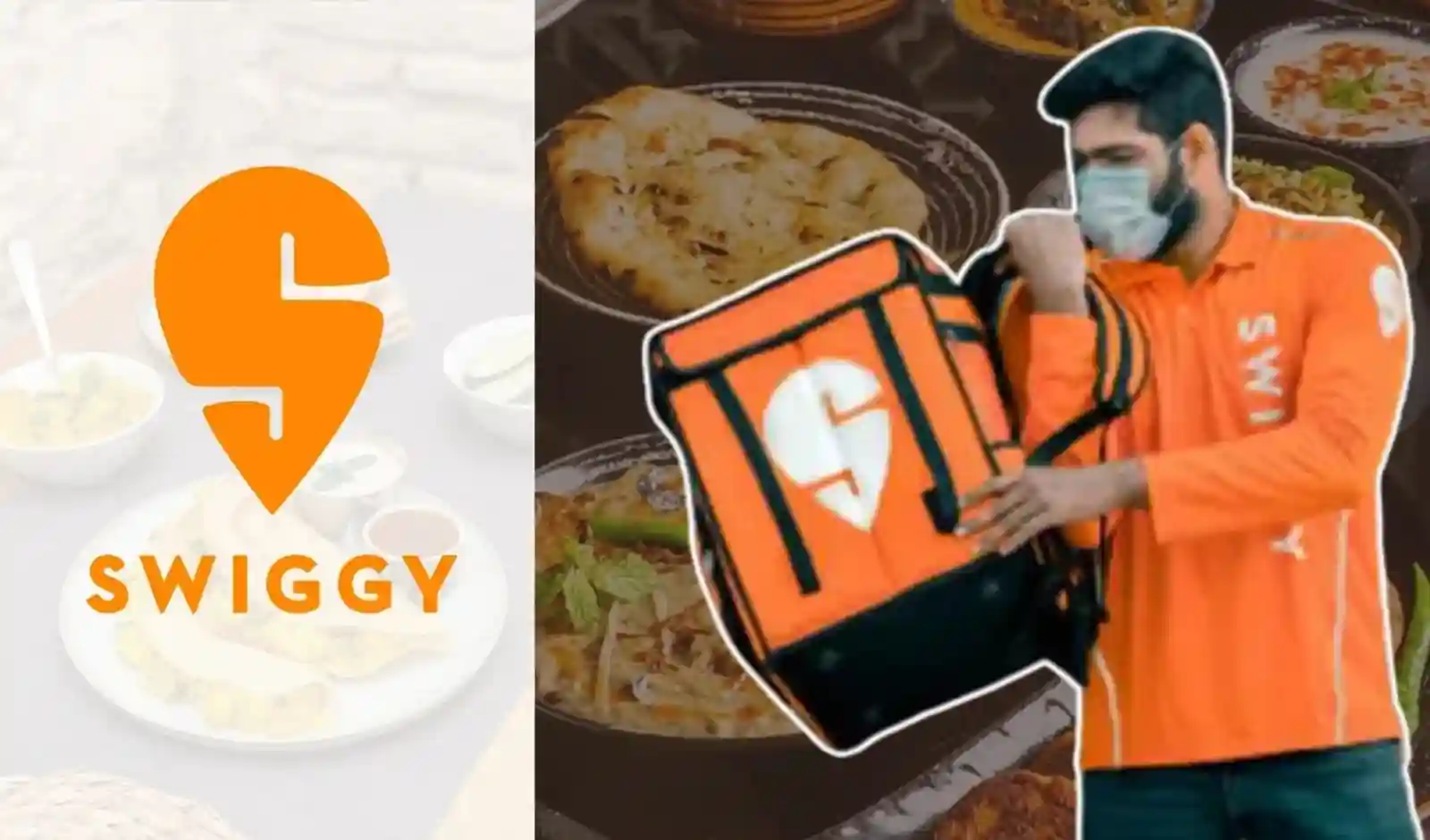
According to the 2025 edition of Swiggy's How India Eats report, released in partnership with Kearney, the country's food services market is projected to cross USD 120-125 billion by 2030.
The organised segment is expanding at twice the pace of the unorganised sector and is on track to become the larger half of the industry before the decade ends. With food services contributing just 1.9 percent of India's GDP compared to 5-6 percent in China and Brazil, the sector is still in the early stages of formalisation.
Rising incomes, rapid digital adoption and a nationwide appetite for convenience are powering this growth. Consumers today are ordering with a far greater range and frequency.
Rise of Q-Commerce
One of the most defining shifts in the ecosystem is the rise of ultra-fast fulfilment. Swiggy's 10-minute delivery service Bolt, now contributes over 10 percent of all platform orders. Over one in five restaurants on the platform is already registered on Bolt and customers acquired through it show markedly higher retention.
"Expectations on speed are being shaped by quick commerce" said Rohit Kapoor, CEO of Swiggy Food Marketplace adding "Consumers are demanding affordability in familiar cuisines like Indian and Italian, while simultaneously adopting Matcha and Boba Tea like never before."
Swiggy now delivers round the clock in 700+ cities with quick commerce driving high-frequency categories such as chai, ice creams and momos. For some brands, the model has already become dominant. GoZero founder Kiran Shah noted that 80-85 percent of the company's revenue now comes from quick commerce, outpacing food delivery itself.
India's Regional & Global Food Wave
The report identifies two powerful drivers shaping India's food economy a revival of hyper-regional Indian cuisines and the mainstreaming of global Asian flavours.
Hyper-regional categories are growing two to eight times faster than mainstream formats. Indian-origin beverages like buttermilk and sharbat are expanding at four to six times the overall beverage category, prompting global QSRs and D2C brands to innovate locally. Even tea, up more than three times is increasingly accessed via digital channels.
Simultaneously global Asian cuisines have taken firm root in India's consumption patterns. Korean food has grown seventeen times, Vietnamese food six times and Mexican food nearly four times. Beverages such as Boba Tea and Matcha have surged with eleven-fold and four-fold increases in search interest.
Beyond Metros: The Demand Curve Broadens
Kearney Partner Rajat Tuli noted that India's food services boom is no longer metro-led. "Growth is no longer concentrated in a few metros, dining-out growth beyond top 8 cities is 2x that of top 8 cities. Gen Z offers high promise, growing 3x of other cohorts while demanding innovations like coffee raves and Instagram-worthy locations and menus," he said.
With digital channels now accounting for 75 percent or more of restaurant marketing spends and pre-booked tables growing seven times faster than walk-ins, consumer behaviour is rapidly moving toward planned, digital-first decision-making, even in smaller markets.
Packaging, Pricing and the New Consumer Playbook
Familiar cuisines like North Indian and Italian are seeing a 10-40 percent tilt toward lower price bands, signalling greater demand for value-led consumption. At the same time, the ecosystem is witnessing steady premiumisation in categories such as Mughlai, American and South Indian cuisine.
Packaging is also undergoing a strategic shift as food delivery increasingly mirrors e-commerce. The report highlights innovations ranging from butterfly burger boxes that unfold into plates to slow-cooked biryani delivered in earthen handis signalling that unboxing is becoming central to experience.
As Tuli notes "In food delivery, packaging innovation will substitute for format in dining-out. The next wave of leadership will come from players who understand these new markets and consumers."
Together, these trends reflect a market that is broadening geographically diversifying culturally and accelerating technologically. With quick commerce reshaping expectations, regional and global cuisines expanding demand, and digital adoption transforming consumption patterns, India's food services sector is set for a decade of high-velocity growth creating significant opportunities for consumer brands, QSRs, cloud kitchens and emerging food-tech players alike.
 This article was originally published by the Entrepreneurindia.com. To read the full version, visit here


