


 89
/ 8
Min Read
89
/ 8
Min Read


The education in the new interconnected world is not apart from the industry. The continuous evolution in the global job market is driven by sustainability, automation and international collaboration. As per the World Economic Forum report, more than 50% of the employees in the whole world will need to be reskilled by 2027. Rather than the traditional method of hiring, industries now prefer skills over a degree; they recognise the importance of a degree, but require skills for practical operations, adaptability, and delivering results.
Recognising this shift, the universities have connected education with real-world skills for employability. The focus of the education system is on integrating academic excellence with industry demand and skill adoption. For the past few years, theoretical knowledge has been the main focus for students. However, industries are now looking for graduates with real-world skills, experience, and critical thinking adaptability. The gap between education and industry requirements is often due to the outdated curriculum and limitations on practical knowledge. This requires an industry-led modern approach for transformation.
The Changing Global Job Landscape
The emerging sectors like artificial intelligence, healthcare and sustainable energy require skilled, problem-solving and creative professionals. The landscape of global jobs has evolved with automation. Industries are using advanced technological tools and seek professionals who can handle them. Automation has changed the way industries used to hire people; now companies are looking for professionals who can participate in the digital transformation. The significant growth in remote work has changed the mode of communication and cultural awareness.
Various departments like Research, Liberal Arts, Management and Hospitality are focused not only on education but also on developing key skills required in the industry that will prepare you for the real world. The skills also help in opening doors to international opportunities. The global world market gives more importance to skills than academic background. It is based on the sole capabilities of the candidate. The multidisciplinary and practical education builds the foundation for global opportunities.
Learning beyond Boundaries
Modern universities around the world are evolving continuously — embracing cultural shifts, innovation, and technological advancement to prepare students for the demands of the global workforce:
- Global Exposure: Through international collaboration exchange programs and global partnerships, students gain an understanding of the world market and global workplace.
- Entrepreneurial ecosystem: Innovation and entrepreneurship platforms are designed to help students convert their futuristic ideas into reality. It is also supporting India’s initiative ‘Startup India”.
- Learning beyond boundaries: Institutions now make sure students get to learn more than just textbook knowledge. They are provided with real-world knowledge of business and technology.
Integrating industry exposure into the curriculum
Many institutions have connected education with industry knowledge. To provide students with a practical learning environment, the university takes required steps for practical exposure.
- Industry Supported Labs: Campuses across the world are developing industry-supported laboratories that allow students to experience new advanced technologies. Corporate partnerships help to bring practical learning.
- Hackathons and Live Projects: Activities such as Hackathons are designed to encourage problem-solving skills. These bring students out of the classroom and let them experiment with new skills.
- Internship and Apprenticeship: The strategic collaboration and partnership provide various opportunities to students even before completing their education, which gives them work experience to start their career path.
Reimagining Teaching and Curriculum Design
Modern educational institutions believe in interactive learning and outcome-driven education, which prepares them for their future.
- Interdisciplinary Curriculum: These activities are created to teach real-world complexities. With the combination of technology, management and social sciences, they prepare students for the workplace.
- Research Integration: The Centre for Research and Publicity are based on learning and collaboration methods.
- Continuous faculty development: Interaction of faculty members with industry leaders to keep them updated with the latest skills, tools and technologies relevant in the market.
- Project-Based Learning: With an educational milestone, students engage in projects that shape their skills and knowledge. Through workshops and case studies, they learn creative thinking.
This approach is aimed at shaping the students in a new and innovative way. This prepares graduates to take the next step in their lives.
The Role of Industries
The companies understand that hiring an unprofessional and unskilled person may cost them training costs and time. They are looking for professionals who are ready to participate in this workforce. Through the advisory board, guest lectures and collaborative activities, institutions make the courses relevant to the students.
Examples include collaboration with:
- A pharmaceutical company for the research and development of drugs.
- Hospitality for practical service management internships
- Tech companies for training of AI models and data analysis
Global Competence and soft skills development
The evolved market is not only for technical skills, but it also focuses on soft skills as much as other skills. Recruiters look for the relevant communication, adaptability, and teamwork skills. Institutions had adapted these skills into their curriculum through workshops, leadership training and cultural programs. The school of Liberal Arts, with programs like B.Sc. and M.Sc. in psychology, plays a vital role in bringing interpersonal communication among students. It encourages cross-cultural engagement that prepares students for international opportunities. The institutions, with their various tools, incorporate the global mindset, essential skills and character development required for this competitive market.
Policy and Government support
India’s new education policy (NEP 2020) consists of education and practical learning, both hand in hand. The institution has embraced these principles from the start. By aligning with its structure with NEP 2020, many institutions have made efforts in the direction of government initiatives. By moulding its education and management framework, Dnyaan Prasad Global University (DPGU) by Dr. D.Y. Patil Unitech Society support the national skills development initiative, Digital India and startup programs, and National apprenticeship promotional schemes.
Leveraging Edtech and Hybrid Learning
The post-pandemic world has evolved the way students interact with information. The institutions have also adapted Edtech and hybrid learning. The advancement of digital platforms ensures education beyond boundaries. To meet the global standard, the institutions have introduced online courses, AI-driven assessments and international MOOCs. This approach reflects the rising trend of today’s workforce, which is skilled and advanced.
Global Inspiration
To advance and innovate the educational system, the institutions are getting inspired by the global education approach such as Stanford-Silicon Valley Model, Singapore’s Skill Future Program and Germany’s Dual Education System.
Educational model
The career success is not measured only by grades; it also depends on results and innovations. Educational institutions partner with recruiting associates to offer opportunities for career paths in various fields like technology, management, research, hospitality, healthcare, and entrepreneurship. It assists students to build startup and research projects who are passionate about focusing on a definite field, despite of looking for corporate career opportunities. With its supportive academic ecosystem, institutions promote social impact and industrial growth.
Preparing students for the Future
The future of work requires more than specialisation; it requires skills and adaptability. As AI is getting advanced, students also need to understand the use case and full implementation of the AI. The focused key areas in future are:
- Sustainability and Green innovation: Universities are integrating sustainability as a key focus area in their education and field activities. The businesses are taking more steps towards sustainable development. Students well-versed in sustainable practices will thrive in the industry with rapid growth in their careers.
- Entrepreneurial Thinking: In a world driven by rapid transformation and advancement, entrepreneurship has become an essential skill for students. By encouraging students for project-based learning, collaboration and creative thinking, educational institutions are motivating students towards entrepreneurship for career growth.
- Data Science and Analytics: Students trained in analytical capabilities with the ability to interpret data and patterns are required in various fields like marketing, business management and journalism. It is emerging as a promising field in the future workspace.
From campus to corporate, modern education ensures that knowledge remains connected with industry applications and global opportunities. Through industry-integrated curriculum, global partnerships, and an innovation-focused environment, universities ensure that students are not just employable but ready for the future. Higher institutions are on their way to redefining their strategy to transform students into adaptable, skilled, and globally competent professionals.
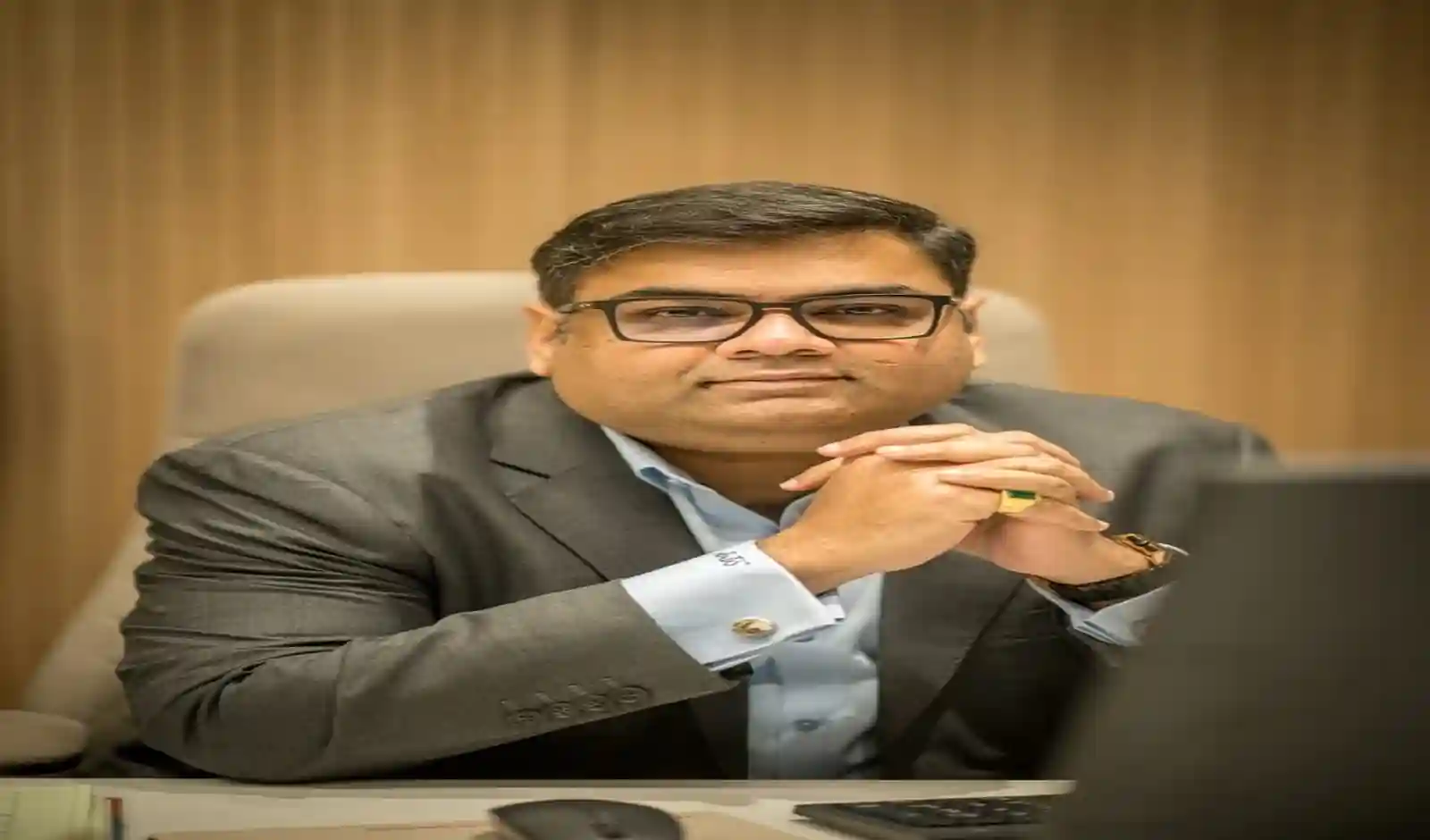
(The author is Dr. Somnath P. Patil, Pro-Chancellor, Dnyan Prasad Global University by Dr. DY Patil Unitech Society. Views expressed are personal.)


