


 138
/
4
Min Read
138
/
4
Min Read


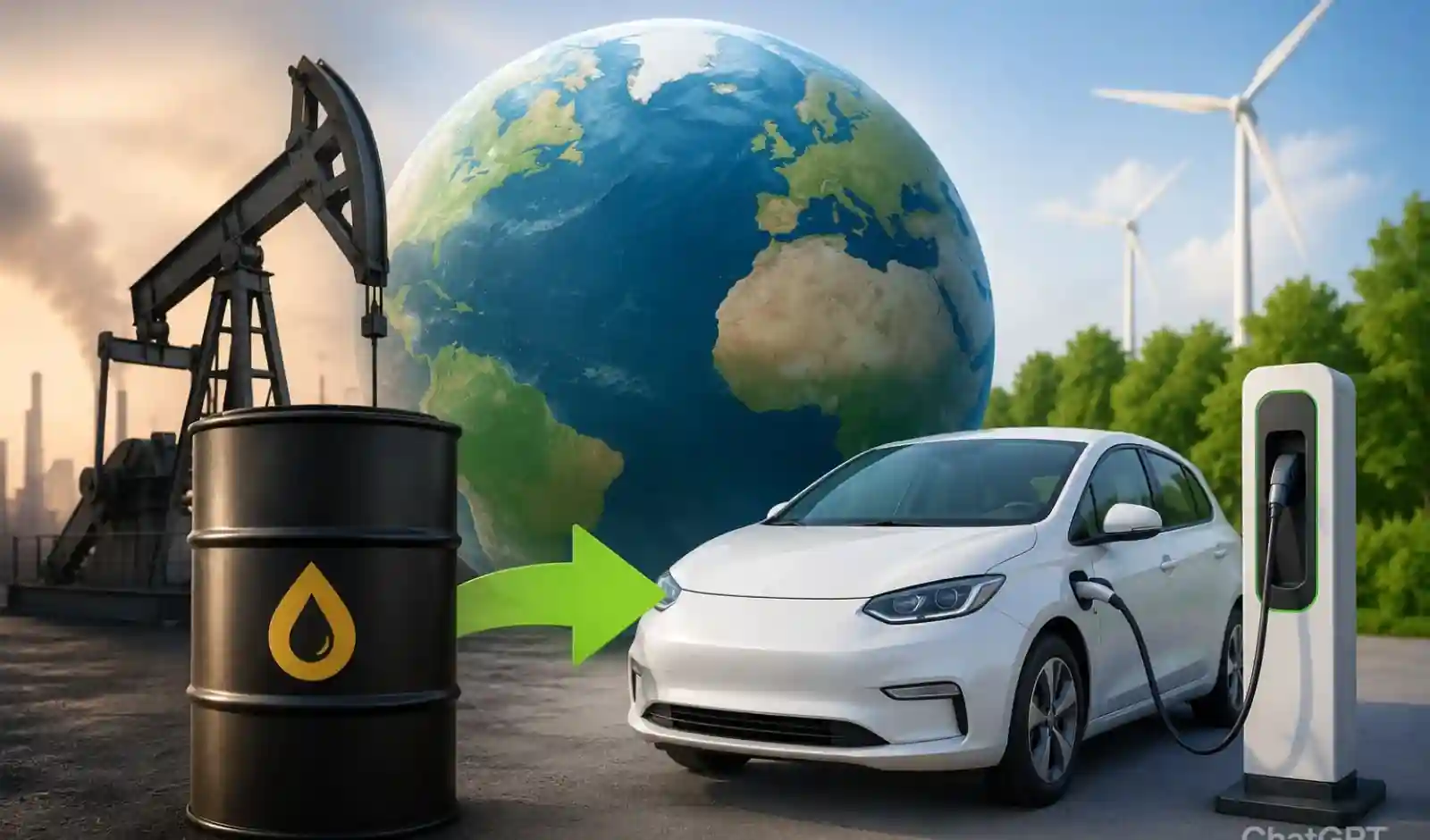
The Iran conflict and rising global oil prices have reignited discussions around energy security and the future of transportation. In this scenario, electric vehicles (EVs) are emerging as a cost-effective and sustainable mobility solution that can help reduce dependence on oil in the long run.
Recent geopolitical tensions involving Iran have once again brought global attention to energy security, fuel prices, and the future of electric mobility. Sharing his perspective on the subject, Prof. Karthick Athmanathan, Honorary PSA Fellow, noted that rising fuel costs, global supply chain disruptions, and growing concerns over energy security are likely to have a significant impact on the transportation sector in the coming years. According to him, while EV adoption is not driven solely by oil prices, electric mobility can play a crucial role in reducing dependence on fossil fuels and building a more sustainable energy future.
Let us explore the relationship between the Iran conflict, rising fuel prices, and electric vehicles, and understand how these developments could influence both global and Indian markets.
Iran Conflict, Rising Oil Prices, and the Future of Electric Vehicles
Whenever tensions or conflicts arise in major oil-producing regions, the impact is felt across global energy markets. The recent Iran conflict has once again raised concerns over crude oil prices and supply stability. This naturally leads to questions about whether higher fuel prices will accelerate EV adoption and whether electric vehicles can offer a long-term solution to energy security challenges.
How Does the Iran Conflict Affect the Energy and EV Markets?
Rising oil prices generally increase transportation and logistics costs worldwide. However, the Indian market operates under a different cost and pricing structure compared to many Western economies. Despite higher fuel prices in several countries, there has not yet been a large-scale shift toward electric vehicles. Key barriers continue to include higher upfront vehicle costs, charging concerns, and range limitations.
Why Do Rising Fuel Prices Make EVs More Attractive?
Traditional petrol and diesel vehicles typically have lower purchase costs but higher operating expenses over time due to fuel consumption. In contrast, EVs require a higher initial investment but offer significantly lower running and energy costs.
As fuel prices continue to rise, consumers increasingly evaluate the total cost of ownership rather than just the purchase price. Under such circumstances, electric vehicles can become a financially attractive alternative. However, charging time, driving range, and access to charging infrastructure for long-distance travel remain important considerations for many buyers.
Is Public Charging the Biggest Challenge?
Public charging is often considered one of the biggest barriers to EV adoption, but the reality is somewhat different. Globally, nearly 90 percent of EV charging takes place at homes and workplaces. While public charging infrastructure remains important, most day-to-day EV users rely primarily on private charging facilities.
Which Sectors Are Seeing Faster EV Adoption?
Although comprehensive data linking recent fuel price increases directly to EV sales is still limited, certain sectors have already shown increased interest in electrification. In India, industries such as mining and heavy equipment operations, where diesel consumption is particularly high, are increasingly exploring electric alternatives as fuel costs rise.
Can Geopolitical Conflicts Also Impact the EV Industry?
It would be incorrect to assume that geopolitical tensions affect only oil prices. Such conflicts can also disrupt the supply of critical minerals, battery raw materials, and global supply chains. As a result, the EV industry is not entirely insulated from geopolitical risks and may face its own set of challenges during periods of international instability.
Can EVs Reduce Dependence on Oil?
Industry experts believe that electric vehicles are not merely a temporary solution but a fundamental part of the future transportation ecosystem. During energy crises, both fuel availability and fuel affordability become major concerns. EVs can help nations reduce their reliance on imported oil and improve long-term energy security.
Compared with alternatives such as ethanol, biofuels, and hydrogen, EVs are currently viewed as one of the most practical and scalable solutions for widespread adoption. This is one of the key reasons governments and industry stakeholders around the world continue to invest heavily in electric mobility.
Conclusion
Geopolitical conflicts such as the Iran crisis create uncertainty in global energy markets and can contribute to rising oil prices. While higher fuel costs alone may not trigger an immediate surge in EV adoption, they do strengthen the long-term economic case for electric mobility. As battery technology improves, charging networks expand, and vehicle costs gradually decline, EVs are expected to play an increasingly important role in the future of global transportation and energy security.


