


 193
/
5
Min Read
193
/
5
Min Read


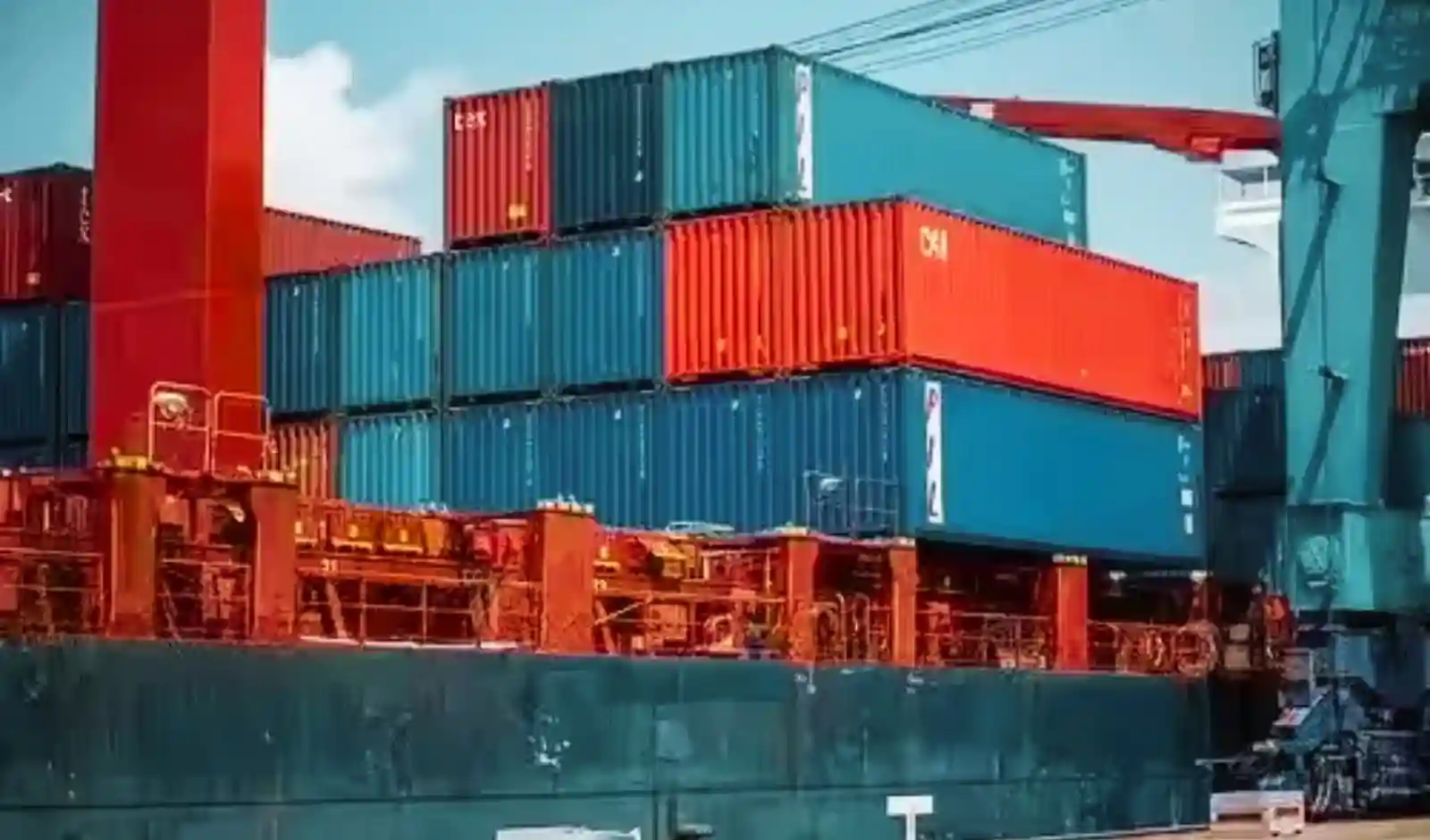
For most of modern global trade, inland logistics has absorbed a level of inefficiency that would be unacceptable in almost any other part of the supply chain. Containers routinely complete a single productive leg before being repositioned empty. Trucks deliver cargo into industrial clusters and return without load. These movements consume fuel, time, and capital while contributing little to service quality or reliability.
Inland logistics sits between actors who optimise independently. Importers prioritise delivery timelines, exporters focus on booking certainty, transporters manage fleet utilisation, and shipping lines seek regional equipment balance. Coordination across these interests has historically been limited, and inefficiency has been treated as an unavoidable by-product of scale. The tolerance began to erode when inland inefficiency started to exert sustained pressure on operating margins and asset availability.
Why inefficiency moved from operations to finance
By the early part of this decade, inland logistics costs were rising faster than port handling or ocean freight in several trade corridors. As per statistics, inland transport can account for more than 50% of total door-to-door logistics costs in many emerging economies, with a significant share attributable to empty or underutilised movement. At the same time, fuel price volatility and tightening emissions norms increased cost sensitivity for transport operators.
Container imbalance compounded the problem. During peak export cycles, shortages appeared inland even when overall container supply was adequate at ports. Shipping lines responded through repositioning, often at high cost and with limited predictability. These pressures were increasingly reflected in financial planning, not just operational reviews. Once inefficiency showed up as recurring cost rather than episodic disruption, it became harder to accept as structural. This shift created space for alternative operating models to be taken seriously.
Circular logistics as a response to inland constraints
Circular logistics gained momentum because it addressed this inland constraint directly. Rather than attempting to redesign trade routes or alter shipping schedules, it focused on how assets were sequenced once they entered inland networks. The principle was straightforward: containers and vehicles should complete as many productive cycles as possible before returning to system edges.
In practice, this meant enabling containers to be reused closer to their point of discharge, aligning import and export movements within overlapping geographies, and reducing redundant repositioning. The benefits were immediate where volumes were dense enough to support matching. Turnaround times shortened, effective container supply increased, and pressure on port-side infrastructure eased. Circular movement stopped depending on informal coordination and began to function as a planned component of logistics execution.
Digital coordination turned possibility into practice
The scaling of circular logistics depended heavily on digital coordination. Inland logistics had long relied on fragmented information flows, with limited visibility across container location, booking demand, and yard capacity. As data integration improved, reuse decisions could be made systematically. Real-time matching based on proximity, timing, and equipment specifications replaced ad hoc sequencing. Digital documentation and standardised inspection processes reduced delays at handover points. This mattered because execution risk had been the primary barrier to adoption. As per McKinsey, improved asset utilisation and reduction of empty movement through digital coordination can lower inland logistics costs by 10% to 15% in dense trade corridors. As confidence grew, circular logistics moved into regular planning cycles rather than remaining an exception.
Infrastructure followed the operating logic
Digital systems alone could not carry the model. Physical infrastructure adapted in parallel. Inland yards were established or repurposed near manufacturing clusters to handle inspections, storage, and documentation closer to where containers were needed next. This reduced dependence on port-side validation and shortened movement loops. The effect on asset productivity was material. Containers no longer needed to return to port before reuse, which reduced dwell time and increased the number of productive cycles per unit. Decision-making became faster, and handovers more predictable. By the time these facilities reached operational maturity, they functioned as core nodes within inland logistics networks, supporting consistent circular movement at scale.
Electrification strengthened the circular case
The expansion of electric trucking reinforced the economics of circular logistics in 2025. EV adoption in freight remains limited globally, but the IEA notes that electric trucks are increasingly viable on short and medium-haul routes with predictable utilisation. These are precisely the routes where circular logistics is most effective. Reuse shortened trip lengths and increased route predictability, which suited electric operations. Electrification reduced fuel costs and emissions on the remaining movements that could not be eliminated. Together, these effects compounded. Fewer trips were required overall, and the environmental impact of the remaining trips declined.
Measurement replaced approximation
Another force accelerating adoption was the shift in sustainability reporting expectations. Emissions accounting moved closer to activity-based measurement, increasing scrutiny on empty movement and idle assets. Inland logistics, long underrepresented in emissions data, came into sharper focus. Circular logistics models generated verifiable records of reduced mileage, faster turnaround, and improved asset utilisation. These data points could be audited and linked directly to operational choices. For exporters and manufacturers facing growing disclosure requirements, this credibility mattered.
Why 2025 marked a turning point
The momentum observed in 2025 reflected a convergence of factors: financial visibility into inefficiency, digital capability to coordinate at scale, infrastructure that supported faster cycles, and parallel advances in vehicle technology. Circular logistics gained traction because it fit within existing trade structures while delivering measurable gains. It reduced costs, improved reliability, and supported emission reduction without requiring wholesale system redesign.
As global trade continues to grow, pressure on inland logistics will intensify. Models that reduce redundancy and improve asset productivity will remain relevant across cycles. The progress seen in 2025 suggests that circular logistics is moving from an efficiency intervention to a structural feature of global trade.
(Mr. Dhruv Taneja, Founder & Global CEO, MatchLog Solutions Views expressed are personal)


