


 344
/
4
Min Read
344
/
4
Min Read


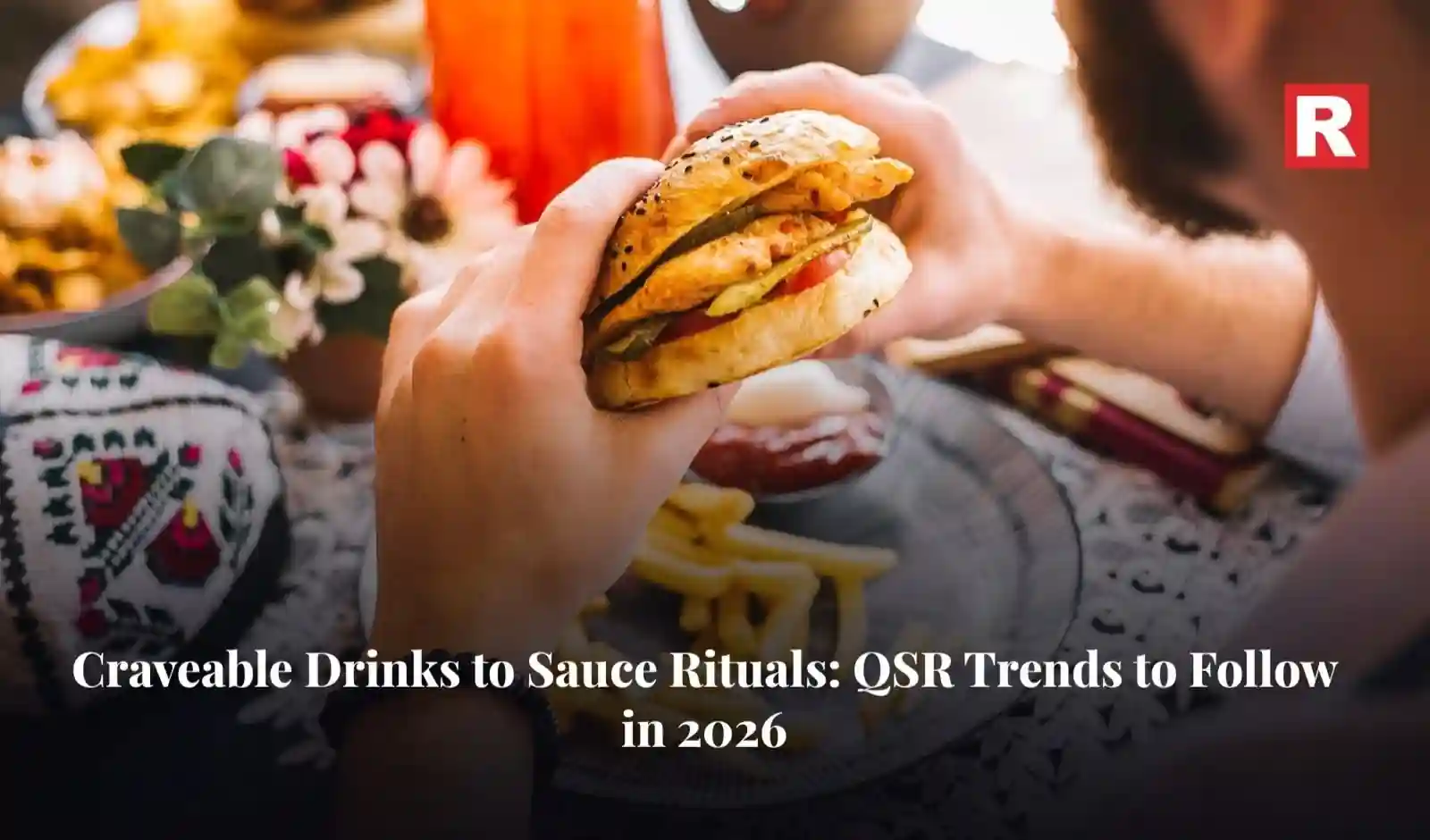
Yum! Brands Inc. (NYSE: YUM), in collaboration with its internal strategy agency Collider Lab, recently released its first-ever trends report.
The 2026 Food Trends Report: What’s Next in Dining uncovers the cultural and consumer shifts shaping how and what people will eat in 2026, offering insights on the evolving expectations of modern diners.
With more than 62,000 restaurants worldwide, Yum! has an unmatched view into what’s happening across global food culture, making this an unprecedented inside industry look.
Drawing on research, behavioral insights, and learnings from Yum!’s four iconic global brands – KFC, Pizza Hut, Taco Bell, and Habit Burger & Grill – The 2026 Food Trends Report shows how consumers are increasingly using food to reclaim a sense of agency in a fast-changing world. People are turning to food not just for convenience, but for experiences that give a sense of control by reflecting individual tastes and moods through personalization and hands-on engagement.
“Our global footprint gives us unique visibility into the ever-changing ways people order and experience food,” said Ken Muench, Chief Marketing Officer, Yum! Brands, Inc. and Co-Founder of Collider Lab. “The 2026 Food Trends Report helps us see where culture is headed and gives our brands a clearer path to creating more moments of joyful, flavorful ownership for our customers.”
The Me-Me-Me Economy
Consumers are reshaping dining around personal expression and autonomy. Foods once meant for social gatherings are being redesigned for one, reflecting a shift toward food that matches individual identity and mood:
It’s About Me, Even When It’s “We”: There is a need for personalization and autonomy, even when dining with others. Personal-size pizzas are outperforming with Gen Z and Millennials, and 31% of custom orders are made within customer groups of two.
Solo Dining as Self-Care: Solo orders have grown by 52% since 2021 (making up 47% of QSR dining occasions, compared to 31% in 2021), with people opting out of group meals to instead treat themselves. 68% of solo diners choose not to take advantage of a deal and over half spend $10–$30+ during a visit, suggesting diners are willing to pay more when dining alone.
Satisfying a Craving: Validating that meals can reflect individual tastes rather than the group’s, research shows that 24% of solo diners are out to satisfy a craving.
Choice Therapy
In a world that can feel chaotic, consumers are gravitating toward small, sensory decisions that create moments of emotional grounding:
Build Your Own Power: Boxes and bundles are becoming symbols of control. Concepts that let consumers create their own meals consistently outperform convenience-led ideas. At Taco Bell, Build Your Own Taco offerings generated 72% positive sentiment.
Sauces as Emotional Excitement: Sauces can be a top tool for an emotional reset, with consumers saying that sauces are 2.4x more likely to bring excitement to the everyday compared to other food items.
Flavor Tweaks as Empowerment: Whether dipping, shaking, or fine-tuning spice levels, small rituals are giving consumers a sense of agency. At KFC, 71% of its top-performing menu item tests had specific sauces, reinforcing how influential customizable flavors have become.
Vibe-Mathing
As consumers navigate rising costs and endless choices, they are now approaching food through emotional value rather than just logic. Items that feel uplifting or aesthetically satisfying increasingly impact decisions as much as the price tag, reflecting a shift toward what feels good in the moment:
Cool Counts: The #1 attribute driving momentum for quick-service restaurant brands is whether a brand “is very cool,” even outranking whether a restaurant has craveable food.
Everyday Little Luxuries: People are craving pick-me-ups throughout the week, with 68% of afternoon snack occasions (think fries or sweet treats) happening on weekdays. Consumers are looking for products that deliver a mood boost, with 1 in 4 young consumers (aged 18 – 29) seeing a trip to QSR as a special occasion.
Drinks for Dopamine: Modern beverages have emerged as low-stakes indulgences with high emotional return. Drinks are small but accessible joys, with 43% of specialty beverages purchased standalone without the customer buying any food.
Food is increasingly a vehicle for personal expression, emotional satisfaction, and small moments of control in an unpredictable world. From solo dining as self-care to customizable meals and mood-boosting treats, diners are prioritizing experiences that reflect their individuality and bring joy in everyday moments. For restaurants and food brands, this signals an opportunity to meet consumers where they are—offering personalization, sensory engagement, and emotional resonance—turning every meal into a meaningful, memorable experience.
 This article was originally
published by the Restaurantindia.in. To read the full
version,
visit here
This article was originally
published by the Restaurantindia.in. To read the full
version,
visit here 


