


 61
/
4
Min Read
61
/
4
Min Read


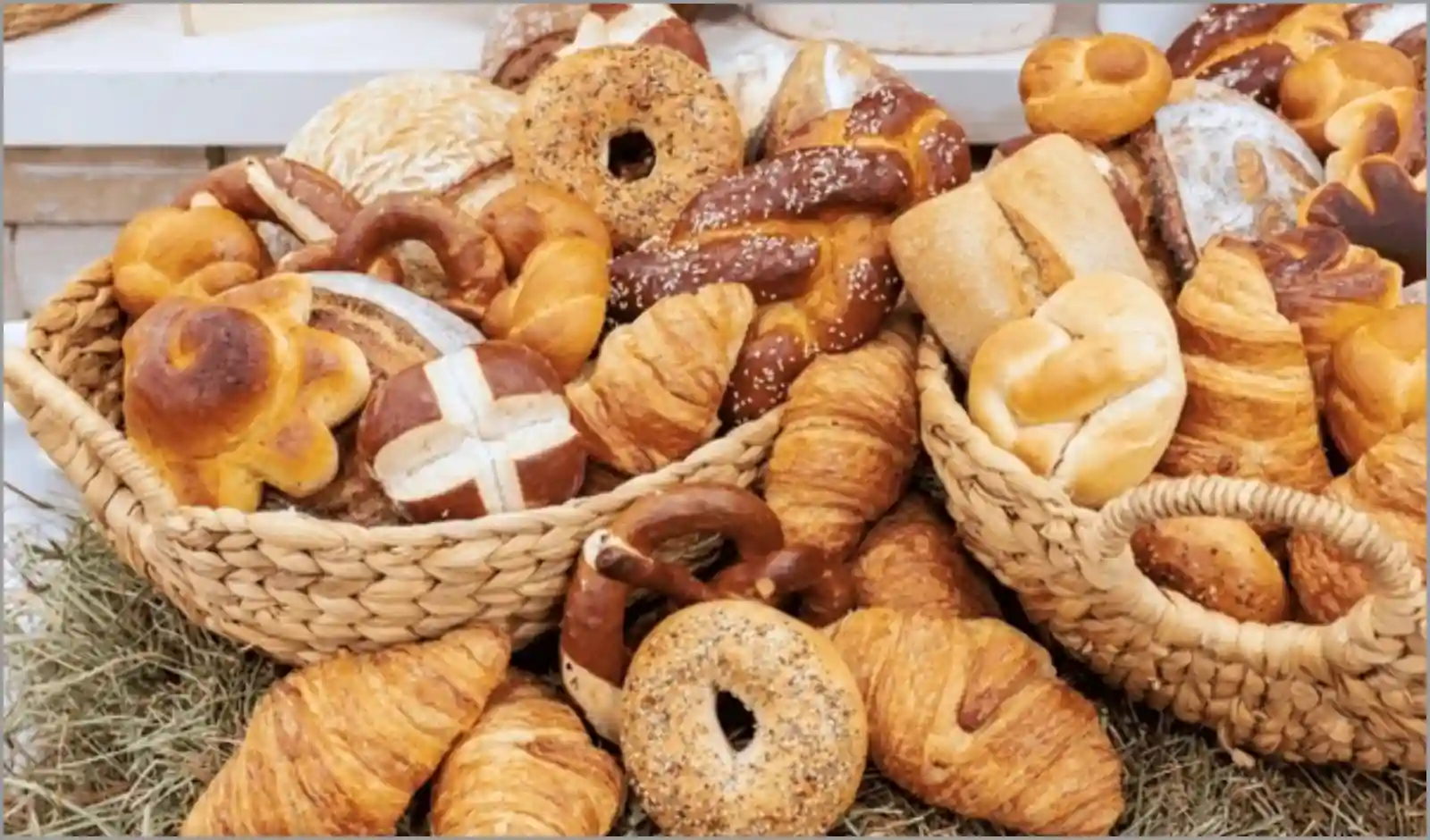
The global bakery industry is entering a new era where indulgence is defined by experience, not just flavor. Dramatic texture contrasts, globally inspired flavor narratives, health-forward formulations, and sustainability-driven innovation are reshaping bakery offerings to meet the expectations of a more informed, visually driven, and mindful consumer. Growing at a CAGR of 9-10%, it is projected to surpass $30 billion by 2033.
Texture Takes Center Stage
In 2026, texture rivals taste as the defining element of baked goods. Consumers are drawn to contrast, crackling crusts with molten centres, airy crumbs with creamy fillings and chewy bases topped with crisp layers. Fuelled by social media’s obsession with pulls, breaks and gooey reveals, texture-driven bakes go beyond visual appeal, transforming everyday pastries into deeply satisfying, multisensory experiences.
“Trends are never replicated, they are reimagined. For instance, when Kunafa emerged as a global flavour trend, L’Opéra reinterpreted it through French technique, creating L’Opéra-style Kunafa across multiple categories. This approach bridging global inspiration with French authenticity and Indian sensibilities defines how the brand continues to innovate without shifting from its principles,” shared Dr Kazem Samandari, Executive Chairman, L’Opera, New Delhi.
Pointing his views, Chef Raghav Jandroia, Corporate Chef, Harajuku Bakehouse Mumbai said, “Inspired by Japanese baking, we focus on contrast, balance, and how a dessert feels with every bite. That philosophy guides us to create desserts that are cloud-soft, airy, and gentle indulgent without ever feeling heavy.”
Sourdough has evolved
Sourdough has evolved far beyond bread, finding its way into modern bakes through technique rather than taste. Its naturally fermented profile, digestibility, and complex flavor make it appealing to both health-conscious and artisanal-minded consumers.
For L’Opéra, sourdough represents craftsmanship at its purest time, patience, and respect for process shaping a future where tradition and modernity coexist seamlessly.
“From sourdough banana or carrot loaves to brownies, chocolate cakes, and cinnamon rolls, fermentation improves texture, softness, and structure while adding depth. Even tea cakes, like matcha–yuzu sourdough, use slow fermentation to create a lighter crumb and more refined finish, showing how sourdough has become a versatile baking method, not just a bread base,” added Jandroia.
Convenience Culture
Grab-and-go gets elevated. For Harajuku, it’s about compact, perfectly crafted sandwiches and sushi-style bakery wraps become everyday essentials—fast, portable, and thoughtfully made for urban life. Around 60% of consumers prefer ordering online on a monthly basis. They prefer ordering items like cakes, puffs and croissants rather than experiencing in bakery cafes.
Visual Appeal & Sharability
In the age of Instagram and short-form video, bakery products must look as good as they taste. Visual drama is no longer optional—it’s a strategic tool. “Bold colours, graphic forms, and satisfying textures create pause-worthy moments. Every bite is an experience meant to be seen, shared, and remembered,” pointed Jandroia.
One Concept Rule
Brands are focusing on multiple items in bakeries that it becomes difficult to focus on all the SKU’s, all the time.
Adding further, Zaid Sait, CEO, Zed The Baker, Bengaluru said, “There are very few brands who focus on one concept for one brand. One can experiment a lot in one base item; create multiple items from the same with lesser SKUs. In this way, one can be stable and ensure quality and consistency remains along with scalability.”
Flavor profiling is very much common as innovation is the key in scaling up which helps the brands to grow.
Clean labels and health-conscious baking
Clean labels and health-conscious baking are now integral to premium patisserie. Almost 60% of the brands are focused on health-conscious baking and around 40% of the consumers prefer these alternate choices.
“At L’Opéra, transparency and integrity guide every product, with clear ingredient declarations and a commitment to quality sourcing. Alongside classic French offerings, the brand has developed a growing range of sugar-free desserts and healthier formats such as oatmeal biscuits, muesli bars, and nutritionally healthier products,” shared Samandari.
While Sait highlighted that replacing sugar may add value, it won’t be for indulgence. The focus remains on proper ingredients, high-quality fats, and correct techniques, without artificial substitutes or shortcuts. As global palates evolve, 2026 is set to redefine baking through intention, innovation and restraint.
 This article was originally
published by the Restaurantindia.in. To read the full
version,
visit here
This article was originally
published by the Restaurantindia.in. To read the full
version,
visit here 


