


 91
/
5
Min Read
91
/
5
Min Read


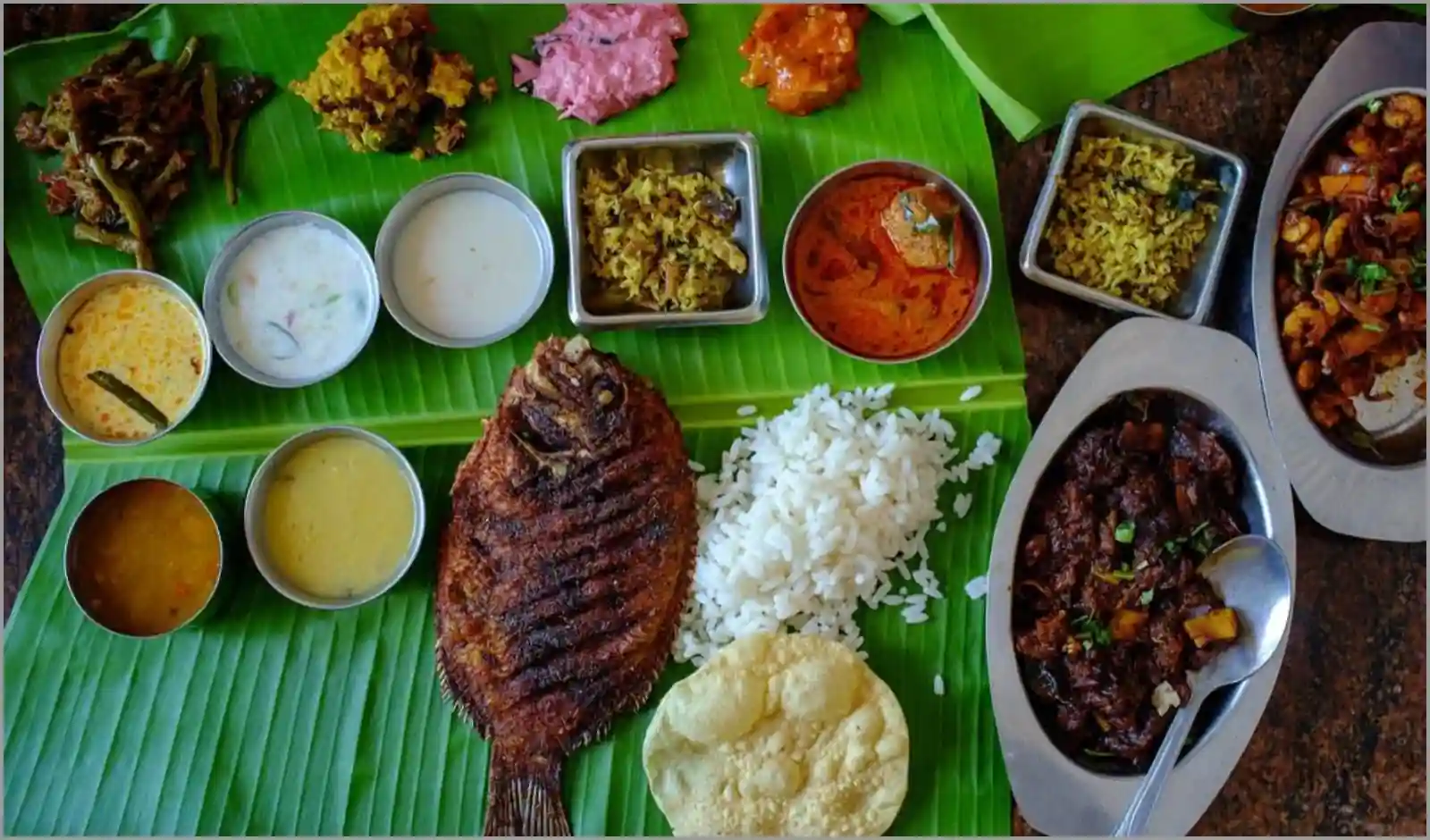
India’s coastlines stretch over 11,000 kilometers and carry with them one of the most diverse, layered, and historically rich culinary traditions in the world. From the spice-heavy dishes of Gujarat to the coconut-forward cuisine of Kerala and the rice-and-fish culture of Bengal, true coastal Indian cuisine reflects centuries of trade, migration, and deeply rooted community memory. It is intimate, soulful, and steeped in locality, seasonality, and ritual.
Yet despite this depth, India’s coastal cuisine remains under documented, often commercialized or reduced to generic “seafood curries” in global and even domestic dining conversations. The gap between perception and reality highlights an untapped opportunity for the country’s food industry in the global market: reframing how one engages with coastal cuisine - not only as a regional specialty but as a driver of innovation, sustainability, and immersive storytelling that connect diners to the land and the people behind the plate. It’s in this confluence of flavour, culture, and purpose that the next chapter of Indian coastal dining should be written.
From Trade Routes to Today’s Menus
The history of coastal cuisine underscores its adaptive global character. Arab traders brought early spice exchanges during the Silk Road era. And during the 15th century, Portuguese explorers introduced red chilli and vinegar, which redefined Goan, Konkan, and Malabar food traditions. Before that, native spices like black pepper and clove dominated. However, over time, these external influences blended seamlessly with local practices, creating culinary identities that we now recognise as Goan, Mangalorean, and coastal Catholic. These identities are simultaneously rooted and evolving.
For the industry, this history is a reminder: coastal cuisine is not static. It has always been adaptive. The future lies not in exporting a “fixed” set of recipes, but in celebrating this adaptability and positioning it as a model for how the nation’s food can respond to changing consumer expectations worldwide.
Sustainability Beyond a Buzzword
Sustainability in cooking is more than a trend. Beyond local sourcing or zero-waste practices, true sustainability lies in respecting the land, the culture, the people, and the culinary traditions that have been passed down through generations. In the Indian coastal context, sustainability has always been a lived practice - traditional fishing methods and seasonal diets have evolved in harmony with ecology and culture.
The main challenge for restaurants, brands, and operators is to bring these principles forward in a way that resonates with both modern-day diners and culinary veterans without reducing them to token gestures. This means not just sourcing responsibly but also preserving forgotten recipes, supporting community producers, and ensuring that the stories and techniques behind those dishes remain alive. “Heritage” is not mere branding but a framework for long-term resilience.
For instance, the recent resurgence of millets. Once everyday staples of coastal households, their return is not just about health. It is also about rebalancing agriculture, reviving biodiversity, and connecting diners with their own food history.
Experiences, Not Just Plate
The future of coastal cuisine also lies in how it is presented. Modern diners, especially younger demographics like millennials and Gen Z, seek more than just food. They seek experiences. Immersive formats become critical in how diners engage with food. “Curry flights,” Limited-Edition Pop-ups, Tasting Menus that highlight vegetarian coastal traditions, or cocktail programs featuring hyper-local ingredients like kokum or toddy vinegar can transform a meal into a memorable cultural dialogue.
When done thoughtfully, these formats help guests become active participants in a story, rather than just passive diners. It enables them to connect with communities and ecosystems behind the food.
Mentorship and Knowledge Transfer
For the industry, another critical focus is talent, particularly the next generation of chefs. Coastal traditions are intricate, community-driven, and deeply local, and without conscious efforts to document, teach, and mentor, many of these practices risk fading.
The next generation of chefs must be trained not only in technique but in values. That means not just emphasising the “how” but also the “why.” Why cooking with the seasons matters, why recipes must be contextualized, why food should be rooted in purpose and why should it tell a story. When young chefs understand these principles, they don’t just replicate recipes - they think, innovate, and carry forward a living, evolving tradition with responsibility.
Goa as a Model of Adaptability
Among India’s coastal states, Goa demonstrates how cuisine can serve as both cultural identity and an industry model. Its food is shaped by colonial history, indigenous traditions, and the natural cycles of tides, monsoons, and harvest. Restaurants and chefs working in Goa today are increasingly treating it as a “living pantry,” a collaborative (and not a commanding) relationship with nature rather than a fixed set of dishes.
This approach offers lessons for the broader industry: adaptability, humility, and resilience are essential if Indian regional cuisines are to thrive in modern contexts.
Looking Ahead
The opportunity for Indian coastal cuisine is twofold. Domestically, it can help consumers rediscover regional depth beyond stereotypes. Globally, it can position India as a leader in immersive, sustainable, story-driven dining, an identity far richer than the limited international view of “curries and breads.”
Chefs and industry leaders have a responsibility to shape this future by:
- Documenting, reinterpreting, and spotlighting hyper-regional practices.
- Building immersive dining experiences that go beyond the plate.
- Treating sustainability as cultural responsibility, not a trend.
- Investing in mentorship to carry traditions forward with innovation.
Coastal cuisine is more than a set of recipes. It is a living archive of memory, migration, and resilience. The task for the industry is not to choose between tradition and modernity. It is to hold them together with integrity and imagination so that every plate tells a story worth remembering.
 This article was originally
published by the Restaurantindia.in. To read the full
version,
visit here
This article was originally
published by the Restaurantindia.in. To read the full
version,
visit here 


