


 46
/ 5
Min Read
46
/ 5
Min Read


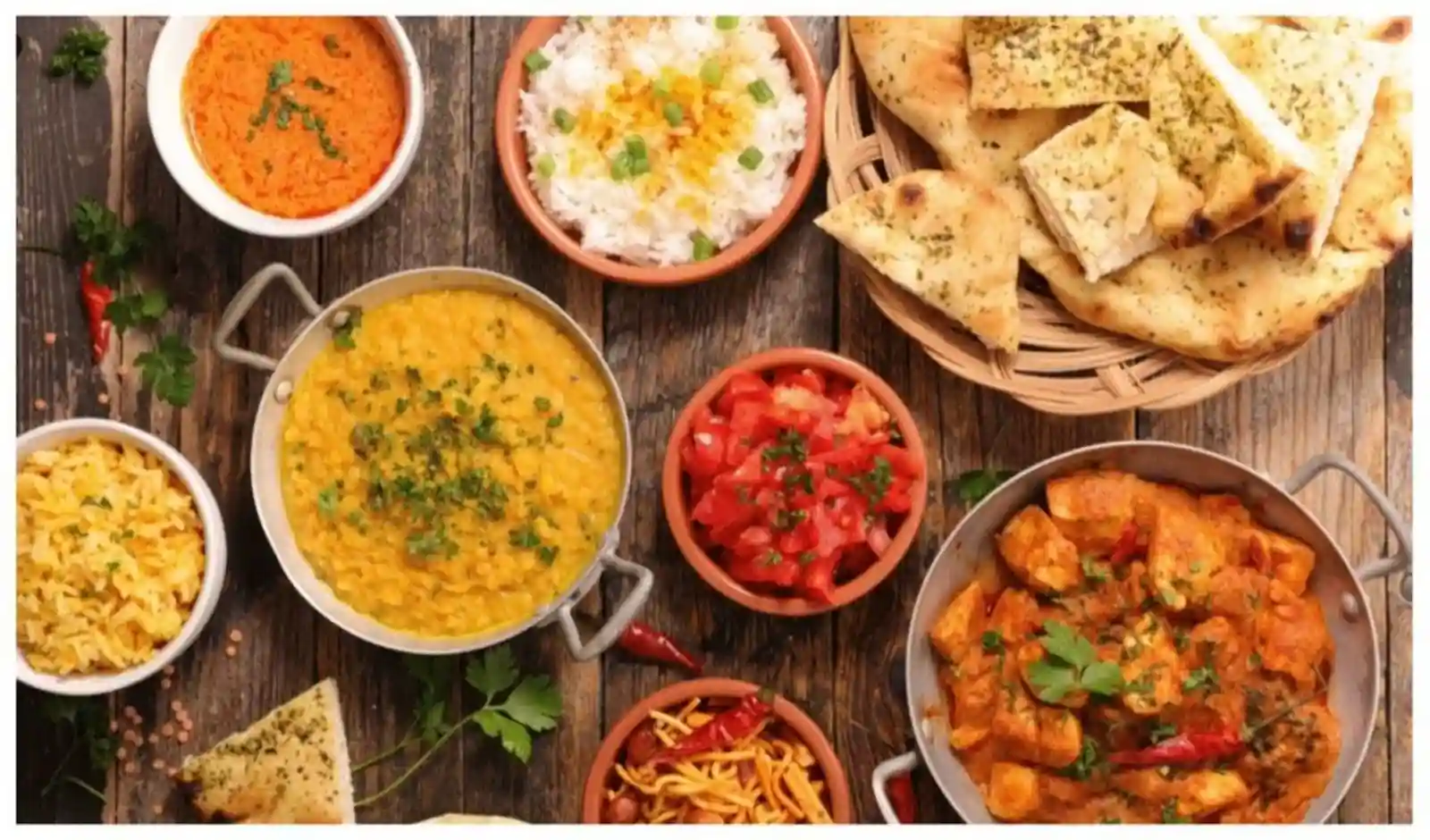
Restaurants are reimagining comfort food with a high end sensibility, using regional memories, premium ingredients and global techniques to create menus that feel indulgent yet deeply personal. Guests are no longer looking for just a meal, but for micro experiences that are intimate and layered.
Luxury today is not about excess but about refined nostalgia, where comfort dishes are recreated with premium ingredients, regional storytelling, artisanal techniques and contemporary presentation.
Reimagining comfort food
Many brands under our portfolio are already moving in this direction. Talking about this, Niketa Sharma, Founder of Keish Hospitality said “At Suma, we are exploring elevated versions of regional comfort dishes using heirloom spices and slow cooked methods. South Stories brings authentic South Indian heritage into a refined dining experience, while Blah introduces playful modern twists on everyday Indian favourites that still feel familiar to the palate.”
Highlighting further Narayan Poojari, Founder Shiv Sagar Group added “Luxury brands are taking familiar Indian comfort dishes and elevating them with rare regional ingredients, slow-cooking methods, artisanal sourcing and refined plating. This gives consumers the emotional comfort of home-grown flavours with the sophistication expected from luxury spaces.”
Defining Micro experiences
Micro experiences have become a key differentiator. "At ViVi, guests appreciate curated chef interactions, ingredient focused touches and beverage pairings that feel personal and memorable. At Magna, we are working on adding high impact elements such as customised spice levels, tableside finishing touches and small moments that create a sense of intimacy and care" noted Sharma.
For Masterchef Warsi Hasan Qureshi of Sofitel Mumbai BKC, it’s about curating an experience steeped in storytelling, ancestral techniques and the cultural richness of frontier gastronomy, Jyran transforms from a restaurant into a culinary destination within the hotel. This strong identity resonates deeply with international guests who wish to explore India’s lesser-known culinary frontiers, as well as local diners who appreciate refined interpretations of a cuisine celebrated for its depth, generosity and soul.
The Sense of Exclusivity
Hyper personalisation takes this further by remembering guest preferences, dietary choices and emotional triggers that influence their comfort food experience. In the luxury segment, feeling understood is the true marker of exclusivity.
“Data from guest profiles, previous orders, dietary preferences and even cultural backgrounds allow hotels to personalize menus, spice levels, and pairings, increasing guest satisfaction and repeat visits,” mentioned Poojari.
Speaking on this, Prakash Chettiyar Director of Culinary, JW Marriott Sahar said “At BarQat, this approach translates into elevated classics, contemporary plating and handcrafted flavours. Hyper-personalisation plays a significant role, dishes can be adjusted to taste, spice and preference, ensuring every guest feels cared for without compromising on culinary integrity.”
Moreover, he emphasized on luxury being not just about complexity but also intention. “When we elevate a familiar flavour with precision and respect, we offer comfort with dignity. That is where emotion and innovation meet” he pointed.
Creating Culinary Destinations
Globally, culinary destinations are becoming powerful travel drivers. Tourists now choose cities not just for sights but for food narratives, chef identities, and regional culinary culture. Indian destinations are benefitting greatly from this shift.
“In today’s global hospitality landscape, culinary distinction plays a vital role in shaping guest preferences and elevating a destination’s overall appeal. Jyran Tandoor Dining & Lounge stands at the forefront of this movement by championing the bold, rustic and time-honored flavors of Northwestern Frontier cuisine” added Qureshi.
Expressing further, Sharma said “Restaurants showcasing modern regional cuisine, ingredient-driven menus or storytelling-led concepts are receiving global attention, from social media buzz to international awards and guides.”
“Cities that highlight food as part of their cultural identity see higher footfall, stronger social media traction, and more international collaborations. Indian cities with strong regional narratives Goa, Jaipur, Kochi, Bengaluru and Mumbai are increasingly being placed on the global culinary map through chef exchanges, pop-ups, award circuits and media recognition” Poojari proudly shared.
The challenges lie in balancing authenticity with innovation. Sourcing consistent premium regional produce, maintaining consistency across teams and ensuring staffs are trained to deliver elevated service every day can be demanding.
The Business Impact
The business impact is significant. Culinary tourism boosts occupancy rates, increases F&B revenue, positions hotels as lifestyle destinations and creates new revenue streams such as chef tables, tasting menus, pop-ups and culinary workshops.
Adding further, Sharma highlighted “When hospitality brands invest in innovation, personalization and destination-led cuisine, they typically see a 12 to 25 percent increase in F&B revenue, depending on the scale of the initiative and the strength of digital amplification. For properties where food becomes the centrepiece of the brand, the uplift can be even higher often influencing repeat visits and long-stay bookings.”
Sharing this Poojari said “Hotels that re-engineer menus around regional or innovative cuisine report 15 to 30 percent uplift in F&B sales, depending on the initiative and its digital amplification.”
Globally, the impact is clear: guests are choosing experiences over standard dining. This is not merely a trend, it is now a measurable business driver.
 This article was originally published by the Restaurantindia.in. To read the full version, visit here


