


 26
/ 4
Min Read
26
/ 4
Min Read


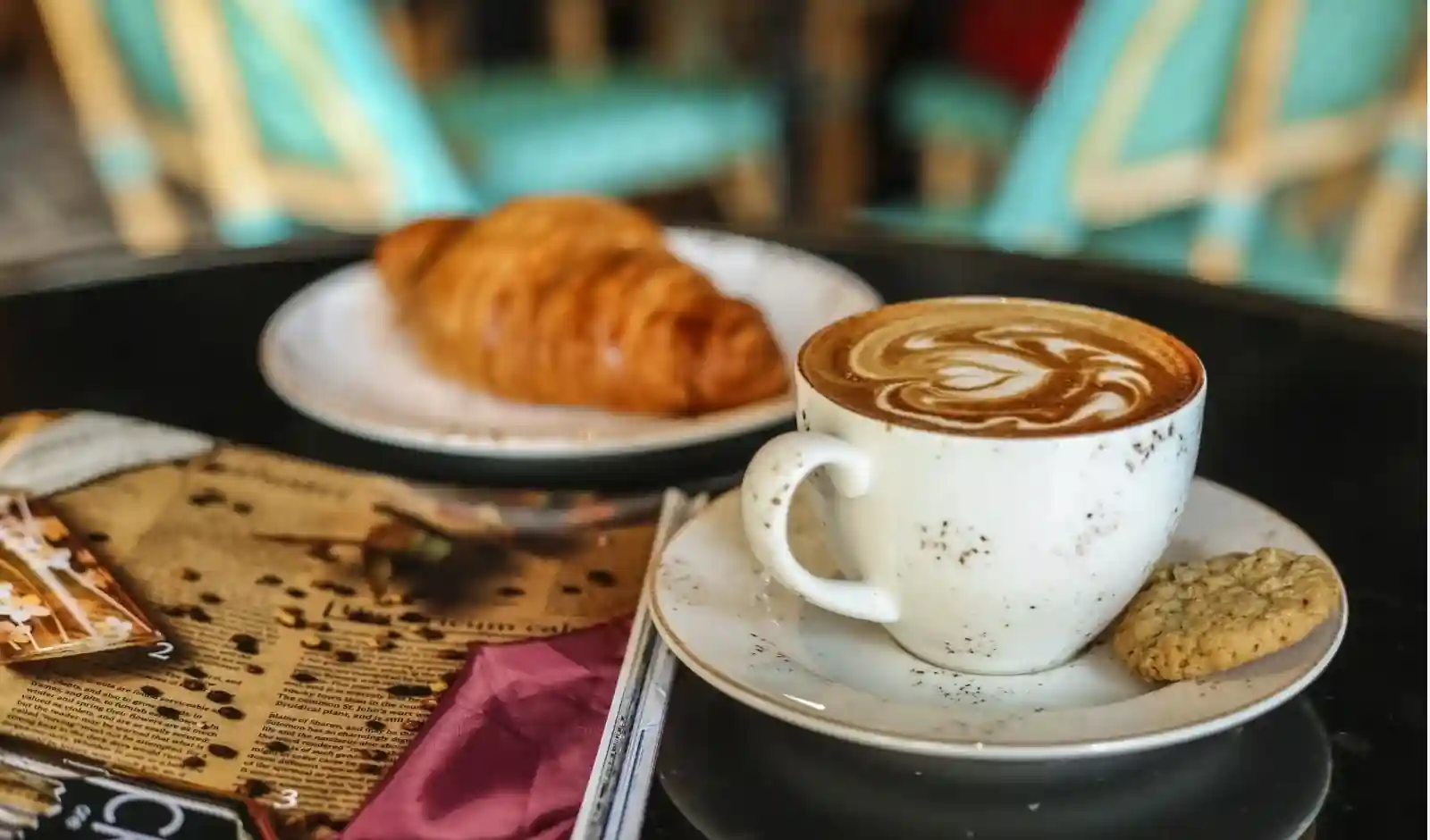
As competition intensifies and customer’s behaviour shifts, founders across the industry are steadily moving away from beverage-first formats and leaning toward cafes built around fuller, more substantive food menus.
Estimates from October 2025 suggest India now operates 60,000 and 70,000 cafés, with 92.59 per cent being single-owner operations. Another report from September 2025 notes that the branded coffee shop market reached 5,339 outlets, growing 12.7 per cent in the previous year. With so many cafés clustered in the same neighbourhoods, standing out has become harder and food is emerging as one of the most effective differentiators.
Sagar Kukreja, co-founder of Green Door Café in Bengaluru, sees this shift clearly. “I would say that sales for us is almost 50-50 when it comes to food and beverages” he said. Even single customers rarely come in for just a drink. “A coffee may be priced at an average of Rs 250, but food is priced at an average of around Rs 350-400. So, it obviously doubles and increases your average order value” he added.
This reflects broader consumer behaviour. About 24 per cent of Indians visit coffee shops daily, and 57 per cent do so weekly. Cafes have become workspaces, meeting points and evening hangouts.
For Kukreja, food is also what keeps people coming back. “Food definitely becomes a reason for customer retention” he said, adding “Customers today are very conscious of what they're eating and that has changed the entire cafe industry.” At Green Door, food is positioned as a meal” not just an add-on. Dishes like pastas and toasties often replace lunch or dinner, contributing significantly to higher ticket sizes.
Operating a kitchen, however, changes the cost equation. “The cost of running a full kitchen is definitely higher. It’s almost 1.5 times the cost of running a beverage-only setup” he mentioned. But despite higher costs, food drives more revenue. Kukreja estimated his ratio is roughly 40:60 in favour of food.
From Coffee Shop to All-Day Breakfast Destination
For Nathan Lee Harris, owner of Bengaluru’s iconic Hole in the Wall Cafe, food has always been central. “Well I think at least for us personally, the food sells more than the beverages. We simply didn’t want to be known as a beverage-first brand” he said.
When he opened 15-16 years ago with just four or five tables, many assumed the place was a coffee shop. That perception pushed him to take a deliberate approach. “We had to intentionally stay away from doing beverages like lattes and cappuccinos in our menu because we never wanted to be a beverage-first cafe” he remembered.
Over time, Bengaluru’s breakfast culture helped redefine the cafe’s identity. “We just didn’t think people woke up early enough to come out for breakfast. But we were very wrong about that. We’ve managed to wake Bangalore up early” Harris recalled. Hole in the Wall’s evolution into a popular all-day breakfast spot mirrors a broader shift: consumers increasingly seek substantial meals even in a more casual café setting.
The Big Picture
India’s cafes and bars market, projected to grow from USD 18.8 billion in 2025 to nearly USD 30 billion by 2030, continues to expand as consumers seek accessible “third spaces.” But rapid growth also means tougher competition.
In this environment, beverage-only formats struggle with lower upsell, smaller ticket sizes and shorter dwell times. As Kukreja noted, “In a one-kilometre radius, you already have 35 cafes. So, you know they’re all serving good coffee, but how do you compete?”
More cafes are finding their edge in stronger food identities and focused menus. Harris added “Small restaurants work brilliantly well, especially when they offer focused menus and full meals, not vast lists of drinks.”
As expectations rise and margins tighten, India’s cafe boom is becoming less about the brew and more about the plate beside it.
 This article was originally published by the Restaurantindia.in. To read the full version, visit here


