


 37
/
5
Min Read
37
/
5
Min Read


India's sleep category is undergoing a structural reset, not in how fast it is growing, but in what is driving that growth. What once used to be a home and furniture-led purchase is being rebuilt as a performance and wellness category, pushing brands to rethink product design, pricing and long-term strategies. As consumers shift from discounts and aesthetics to function, outcomes and sustained use, the change is becoming visible across the market.
Multiple market trackers currently peg India's mattress market in the USD 2.4–2.7 billion range, with projections suggesting it could grow to USD 3.65–4.51 billion by 2030, at roughly 9 per cent CAGR. While overall category growth remains steady, the more telling movement is within sub-segments positioned around support, ergonomics and health outcomes. The orthopedic mattress segment alone, though relatively small at USD 98.06 million in 2024, is projected to grow at a much faster 25.8 per cent CAGR through 2033, signalling rising demand for engineered sleep solutions rather than generic products.
From Comfortable to Problem-Solving
For newer D2C-led players, this change is reshaping how products are designed, priced and explained to consumers.
"Consumers no longer evaluate sleep products as soft furnishings or one-time home purchases," says Ganesh Sonawane, CEO and Co-founder of Frido, adding, "The focus has shifted from generic comfort to functional wellness products that need to solve a specific problem like neck stiffness, posture misalignment, overheating, or disrupted sleep."
Frido's approach to sleep products mirrors its broader ergonomics-led portfolio, which spans insoles, orthopaedic cushions and mobility aids. Sonawane says design decisions are rooted in research and long-term usage rather than showroom appeal, with pricing structured to reduce friction for first-time buyers experimenting with problem-specific solutions.
"Helping consumers understand the 'why' behind sleep discomfort is as important as the product itself. Our repeat rates staying strong reinforces that people are buying for results, not impulse or trends," he says.
The legacy players in the industry are also seeing similar shifts play out across retail floors.
"Earlier, most customers asked, 'What's the discount?'," says Shankar Ramm, Managing Director of Peps Industries. "Now, they ask, 'Will this help my partner sleep better?' or 'Will this help my neck pain?' People are making judgments based on back support, motion isolation and breathability, not looks."
At Peps, this change has influenced everything from product architecture to frontline sales training. Ramm points to innovations such as lumbar-focused mattress zones and zero-disturbance coil systems as direct responses to user pain points rather than luxury positioning.
Performance Metrics Replace Showroom Signals
As sleep products begin to function more like wellness tools, brands are rethinking how success is measured. Instead of one-time sales, both D2C and legacy players are focusing on repeat usage, returns and long-term engagement.
"Repeat purchase and sustained usage are the key indicators for us. If someone continues using a pillow for months or buys it again for a family member, that's a strong signal of problem resolution, says Sonawane.
Frido tracks return rates and qualitative feedback closely, particularly for pillows and toppers, and sees customers often migrate into sleep products from other categories like insoles and cushions—an indicator of growing trust rather than isolated transactions.
Peps applies a similar lens at scale. Ramm says the company monitors repeat family purchases, structured post-sale feedback and SKU-level revenue contribution. "Our premium line has return rates of less than two per cent across online and franchise channels," he says, adding, "Some engineered mattresses are delivering disproportionately high revenue without heavy promotions, pointing to performance-led pull rather than pricing-driven demand."
These metrics now influence everything from marketing language to in-store product demonstrations, reflecting a broader shift in how value is defined across the category.
Smaller Products, Faster Adoption
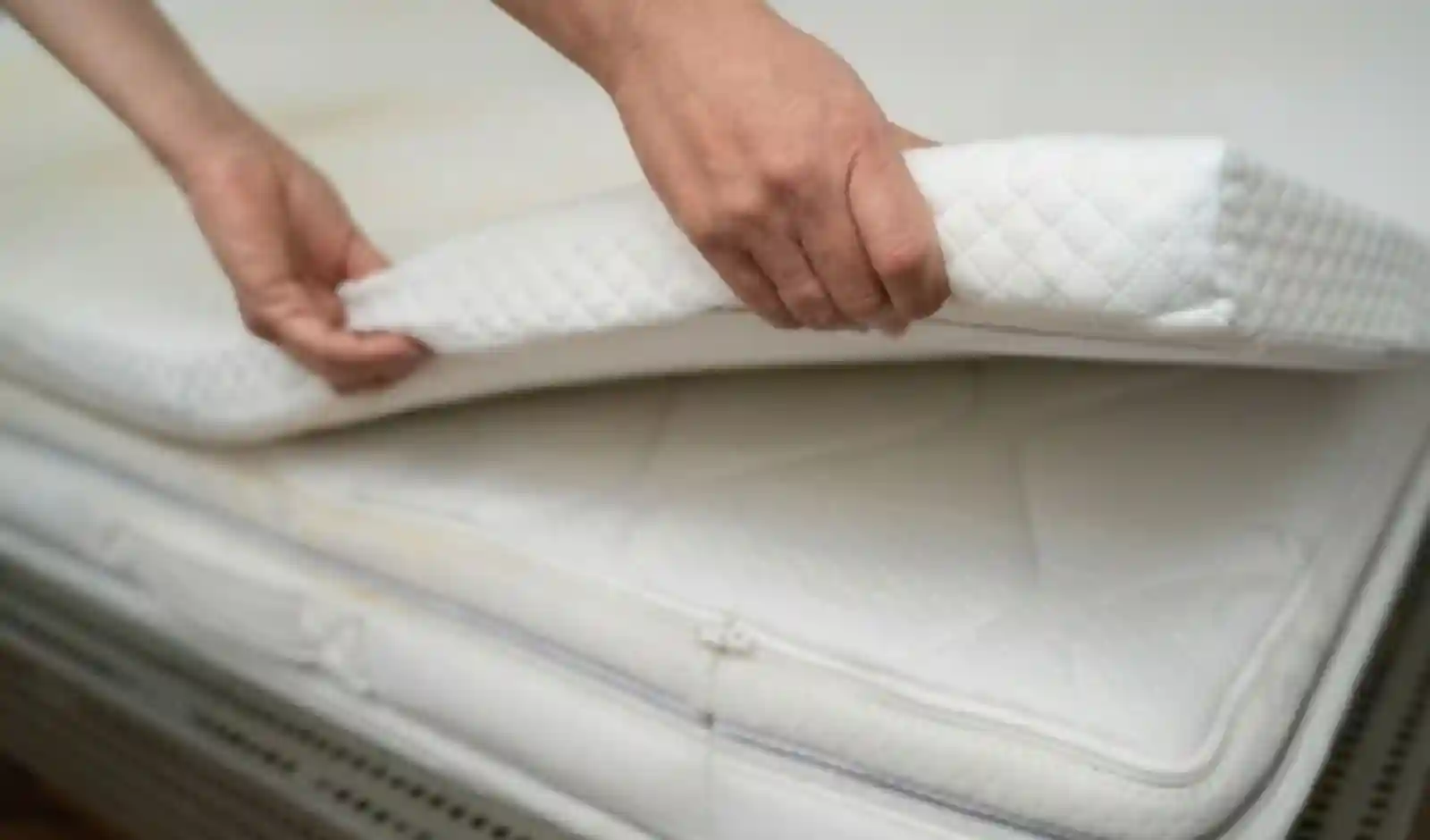
While mattresses remain the anchor category, much of the experimentation is happening in adjacent sleep accessories like ergonomic pillows, toppers, bolsters and wedges, which are seeing faster adoption cycles. "Newer sleep categories are growing faster than traditional mattresses because they address specific pain points and are easier to trial," says Sonawane, adding, "Consumers are far more willing to experiment with a pillow or topper before committing to a mattress replacement."
Lower price points and shorter decision cycles make these products effective entry points, allowing consumers to experience benefits quickly and build brand confidence. At Peps, accessory pilots are showing early promise. Ramm notes that a cooling topper generated more interest than some affordable mattress SKUs, while ergonomic pillows and orthopaedic bolsters are performing well in Tier I markets with higher attach rates and lower returns.
"We think of these as gateway products," he says, "They help position Peps as a performance brand, not just a mattress company." The trend is reinforced by the rise of long trial periods, with brands such as Wakefit and SleepyCat offering 100-night trials that encourage consumers to validate performance over time.
The Next Phase: Sleep As Infrastructure
Industry leaders see the category as still early in its transition. "Buying a mattress used to be a one-time family decision tied to furniture," says Ramm. "Now people talk about sleep fitness, spine health and sleep productivity. We are consciously moving from a furniture brand to a sleep infrastructure company."
This shift is shaping strategies around experience-led retail, smart materials and partnerships with physiotherapists, fitness professionals and wellness platforms. Frido, meanwhile, is doubling down on research-backed products, with Sonawane focusing on lean portfolios, faster D2C access and selective physical retail that enables education and trial.
 This article was originally
published by the
This article was originally
published by the 


