


 199
/
2
Min Read
199
/
2
Min Read


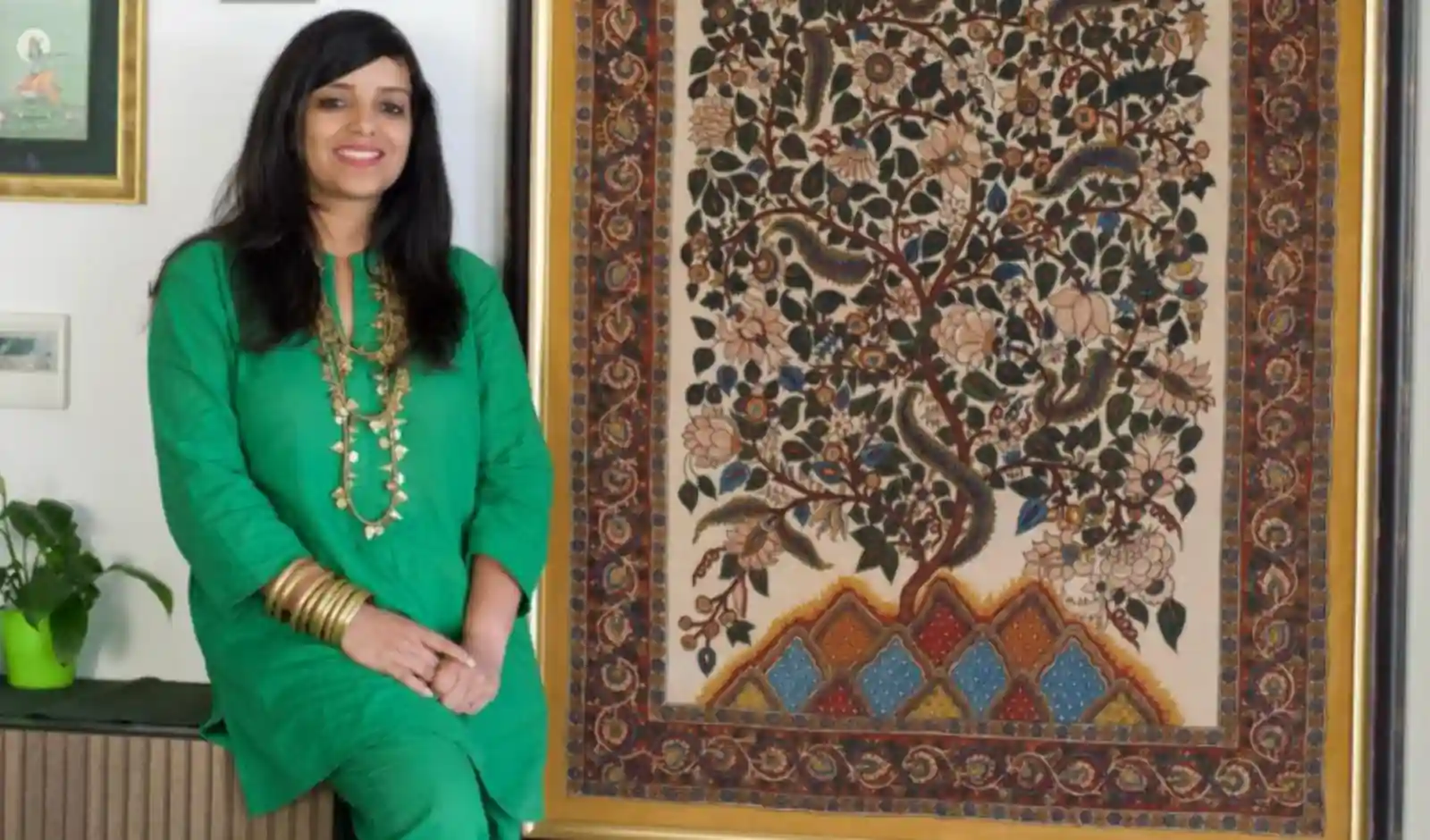
Culture-tech startup MeMeraki has raised an undisclosed institutional investment from Next Bharat Ventures, the impact investment arm backed by Japan’s Suzuki Motor Corporation.
The funding marks the company’s next phase of growth with a focus on strengthening its technology platform, expanding distribution and deepening partnerships aimed at supporting India’s traditional artisan economy.
The capital will be used to enhance MeMeraki’s technology infrastructure, scale retail distribution across both online and offline channels and expand its team across design, technology, partnerships and operations.
The company also plans to improve customer experience and supply-chain readiness to support consistent growth. In parallel, MeMeraki will increase its engagement with artisan communities through structured onboarding, design support, and research-driven content creation to improve market access and income stability for artisans.
Founded in 2019 by Yosha Gupta, MeMeraki operates as a culture-tech platform focused on preserving and promoting traditional Indian arts and crafts. It enables master artisans to engage with digital audiences through storytelling, workshops and an online marketplace.
The platform currently claims to work with more than 500 artists across over 300 traditional art forms and offers more than 10,000 handcrafted products to customers in over 40 countries.
Beyond its D2C offerings, MeMeraki has developed an enterprise-focused vertical that delivers large-scale art installations, murals, cultural campaigns and advisory projects for corporates, public institutions and global organisations.
MeMeraki claims to have executed projects for organisations such as GMR Hyderabad Airport, the Ministry of Culture, Google, Hyundai, Adobe and international clients in Hong Kong and Singapore. To date, the platform has enabled over INR 7 crore in new income for artisans with reported average income increases of 20-30 percent.
With the latest investment, MeMeraki aims to scale its operations sustainably and is targeting a INR 100 crore-plus business over the next four to five years, driven largely by enterprise expansion and deeper institutional collaborations.
 This article was originally
published by the
This article was originally
published by the 


