


 68
/
2
Min Read
68
/
2
Min Read


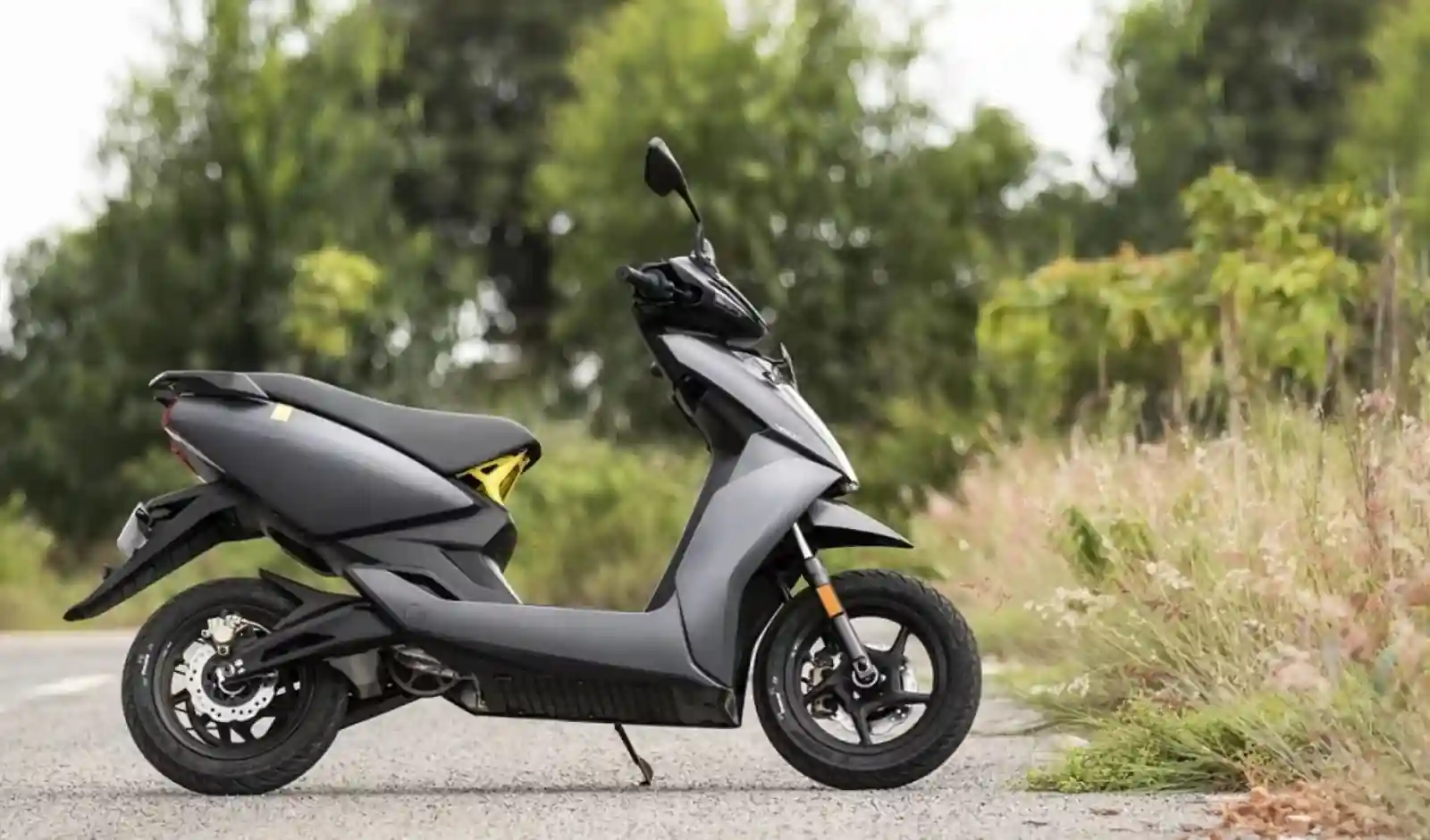
The Delhi government has proposed a major shift in its draft Electric Vehicle Policy 2026–2030, aiming to restrict new registrations of two- and three-wheelers to electric vehicles in a phased manner. Under the proposal, only electric three-wheelers will be allowed for new registrations from January 1, 2027, followed by a similar mandate for two-wheelers from April 1, 2028.
The draft policy is currently open for public consultation for 30 days, with the government inviting feedback from stakeholders and citizens. Existing vehicles will not be impacted by these proposed restrictions.
The new framework signals a transition from an incentive-led approach to a more regulation-driven strategy, particularly targeting high-usage segments like two- and three-wheelers, which significantly contribute to urban emissions. However, private passenger vehicles will continue under an incentive-based model without mandatory electrification.
The policy also introduces a revised incentive structure. Electric two-wheelers will receive incentives of ₹10,000 per kWh (capped at ₹30,000) in the first year, gradually reducing in subsequent years. Electric three-wheelers will be eligible for incentives of ₹50,000, ₹40,000, and ₹30,000 over three years.
In the commercial segment, stricter norms have been proposed. From January 1, 2026, fleet operators and delivery service providers will not be allowed to add new petrol or diesel vehicles to their fleets, although BS-VI two-wheelers will be permitted until December 31, 2026.
The draft also includes scrappage-linked incentives, offering benefits for replacing older vehicles with electric ones. Buyers of electric two-wheelers, three-wheelers, and cars priced up to ₹30 lakh will receive financial incentives, subject to specified conditions.
Additionally, all electric vehicles registered during the policy period are proposed to receive 100% exemption from road tax and registration fees. Delhi Transco Limited has been designated as the nodal agency for developing public charging and battery swapping infrastructure across the city.
The policy further focuses on battery recycling, digital tracking systems, and the creation of a dedicated EV fund. While it reflects Delhi’s intent to accelerate EV adoption aggressively, the final policy may evolve after consultations, particularly regarding timelines, infrastructure readiness, and cost implications.


