


 99
/
2
Min Read
99
/
2
Min Read


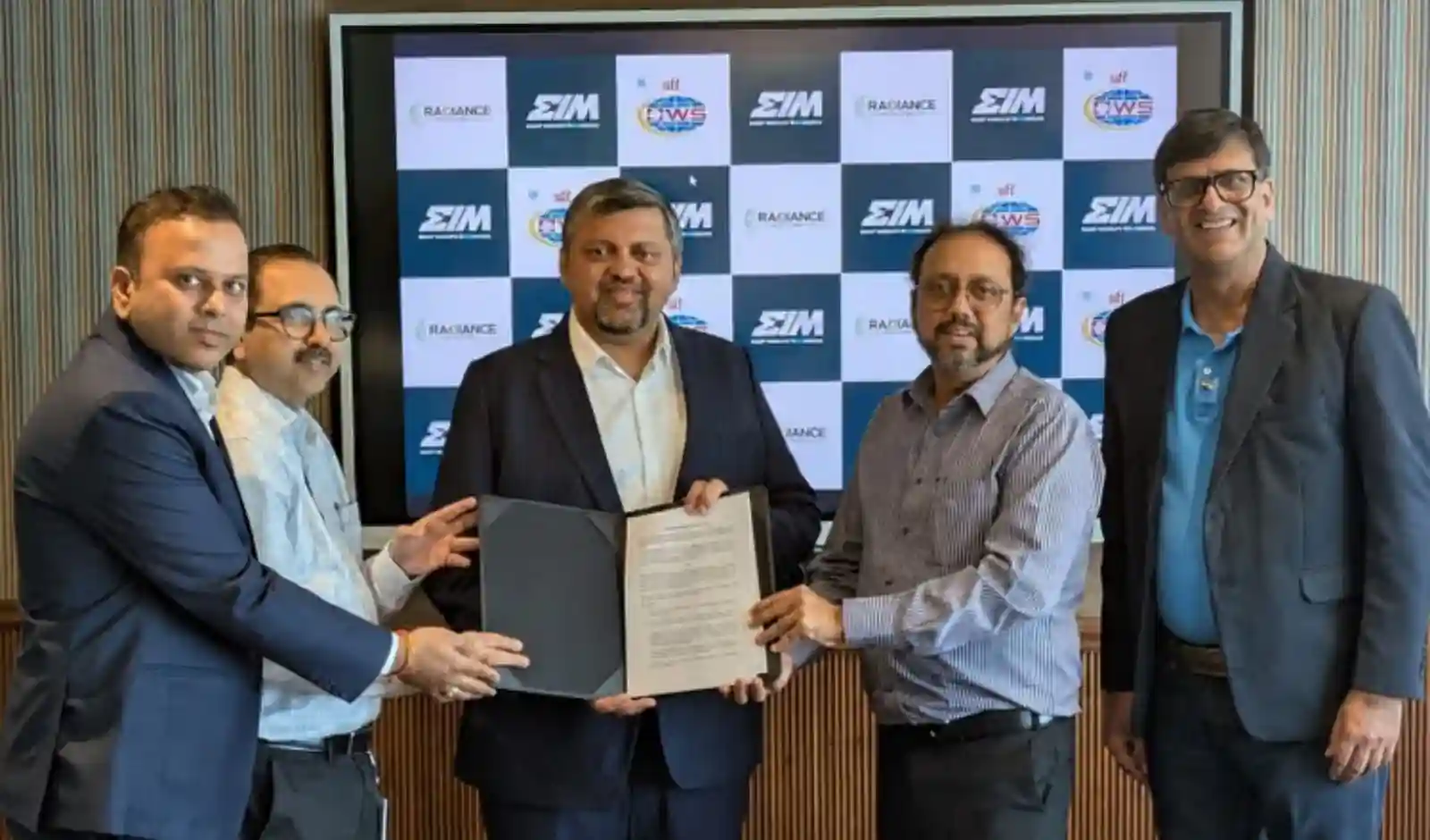
Energy In Motion Limited (EIM) has signed a memorandum of understanding (MoU) with Oil Field Warehouse & Services Limited (OWS) and Radiance Green Mobility Private Limited to deploy 500 electric heavy commercial vehicles (e-HCVs) across key high-density freight routes in India. The partnership will focus on the Mumbai-Pune, Mundra-Morbi-Ahmedabad and Mumbai-Delhi corridors. The first phase will begin with the deployment of 50 electric vehicles on the Mumbai-Pune route from October 2026.
Under the partnership, EIM will provide the vehicles and supporting energy infrastructure, including battery-swapping stations, charging points and energy management systems. OWS and Radiance Green Mobility will be responsible for fleet deployment and day-to-day operations. Deployment across the remaining corridors will be taken up after EIM completes its battery-swapping network. The partnership reflects a growing industry model in which vehicle and charging infrastructure providers collaborate with established logistics operators.
EIM key vehicle for the partnership is the Ashwa, a 55-ton electric tractor designed for high-utilisation and long-haul freight operations. The vehicle features a battery-swapping system aimed at reducing downtime compared with conventional charging. EIM has also recently received homologation for a 350 kWh battery variant of the Ashwa, expanding its options for operators with higher energy requirements.
OWS brings extensive experience in logistics and industrial operations to the partnership. The company pioneered SEZ-based warehousing in India in 2006 and has since developed capabilities across container logistics, freight forwarding, project cargo, port and terminal operations. Radiance Green Mobility, meanwhile, focuses on electric mobility for heavy and industrial transportation and has prior experience deploying electric heavy commercial vehicles in port ecosystems.
According to OWS, cost predictability is one of the key factors driving the shift towards electric vehicles. Diesel prices are influenced by fluctuations in global crude oil prices, making it difficult for logistics companies to predict costs under long-term freight contracts. Electrification can offer a more stable operating cost base, potentially helping logistics operators enter into longer-term contracts with customers.
The partnership is aligned with India broader push to accelerate the electrification of heavy commercial vehicles. Freight corridors connecting major industrial and port hubs are emerging as priority areas for early electrification due to their regular routes and high cargo volumes. The deployment of electric heavy vehicles across the Mumbai-Pune, Mundra-Morbi-Ahmedabad and Mumbai-Delhi corridors is expected to support the adoption of battery swapping and electric mobility in India's freight transportation sector.


