


 110
/
3
Min Read



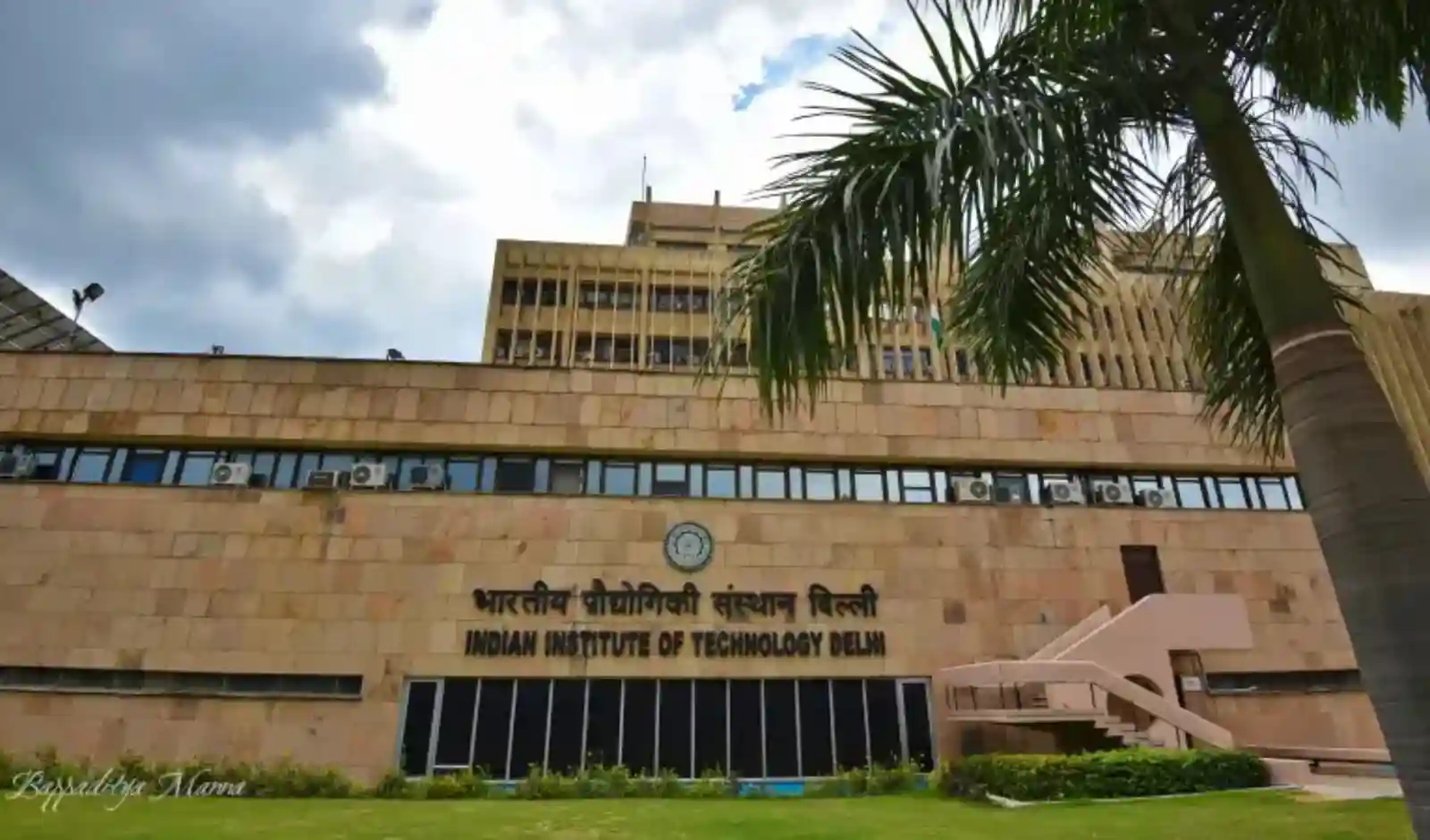
The Indian Institute of Technology Delhi (IIT Delhi) has secured the 194th position in the QS World University Rankings: Sustainability 2027, returning to the global top 200 and emerging as the highest-ranked Indian institution. IIT Kharagpur secured the second position nationally at 224th, followed by the University of Delhi at 237th. Globally, Lund University retained the top position, followed by ETH Zurich and the University of Toronto. This edition covers around 2,000 universities across 107 locations.
India recorded 99 entries in the latest edition, compared with 103 in the previous year. However, it emerged as the most improved among the five most-represented higher education systems. Among institutions ranked last year, 38 improved their positions, 19 maintained their rankings and 34 recorded a decline. This resulted in a net improvement of 4%, while the United States, mainland China and the United Kingdom reported net declines.
India also recorded eight new entrants in the rankings. The country now has 42 universities in the global top 1,000, jointly ranking third with China and 13 institutions in the top 500, compared with just five in the 2023 edition.
Indian Universities Make Progress in Global Sustainability Rankings
Vellore Institute of Technology (VIT) entered the global top 300 for the first time, securing the 293rd position. Manipal Academy of Higher Education also made progress, entering the top 400 at 384th, while Jawaharlal Nehru University (JNU) re-entered the top 500 at 432nd.
Chandigarh University and Saveetha Institute of Medical and Technical Sciences (SIMATS) also entered the global top 600 for the first time, reflecting the expanding presence of Indian higher education institutions in international sustainability assessments.
Social Impact Scores Improve, Environmental Performance Remains a Challenge
Category-wise performance shows that 65% of Indian institutions improved their scores in Social Impact. However, most institutions recorded a decline in Environmental Impact and Governance, indicating that global peers are making faster progress in these areas, according to QS.
India's average sustainability score has increased from 26.9 in 2023 to 55 in the latest edition. The number of Indian institutions included in the rankings has also grown significantly, rising from 14 in 2023 to 99 in 2027.
QS Highlights Progress in Equality and Employability
Commenting on India's performance, Jessica Turner, CEO of QS, said, “India’s higher education system continues to improve in key sustainability metrics, with more than 70% of entries rising in both Equality and Employability & Outcomes. India is behind peers on average in areas such as Impact of Education and Health & Wellbeing.”
The latest rankings highlight the growing contribution of Indian universities to global sustainability efforts. While improvements in equality, employability and social impact indicate progress, strengthening environmental performance, governance and the broader impact of education will remain important priorities for Indian higher education institutions.
 This article was originally
published by the


