


 72
/
3
Min Read
72
/
3
Min Read


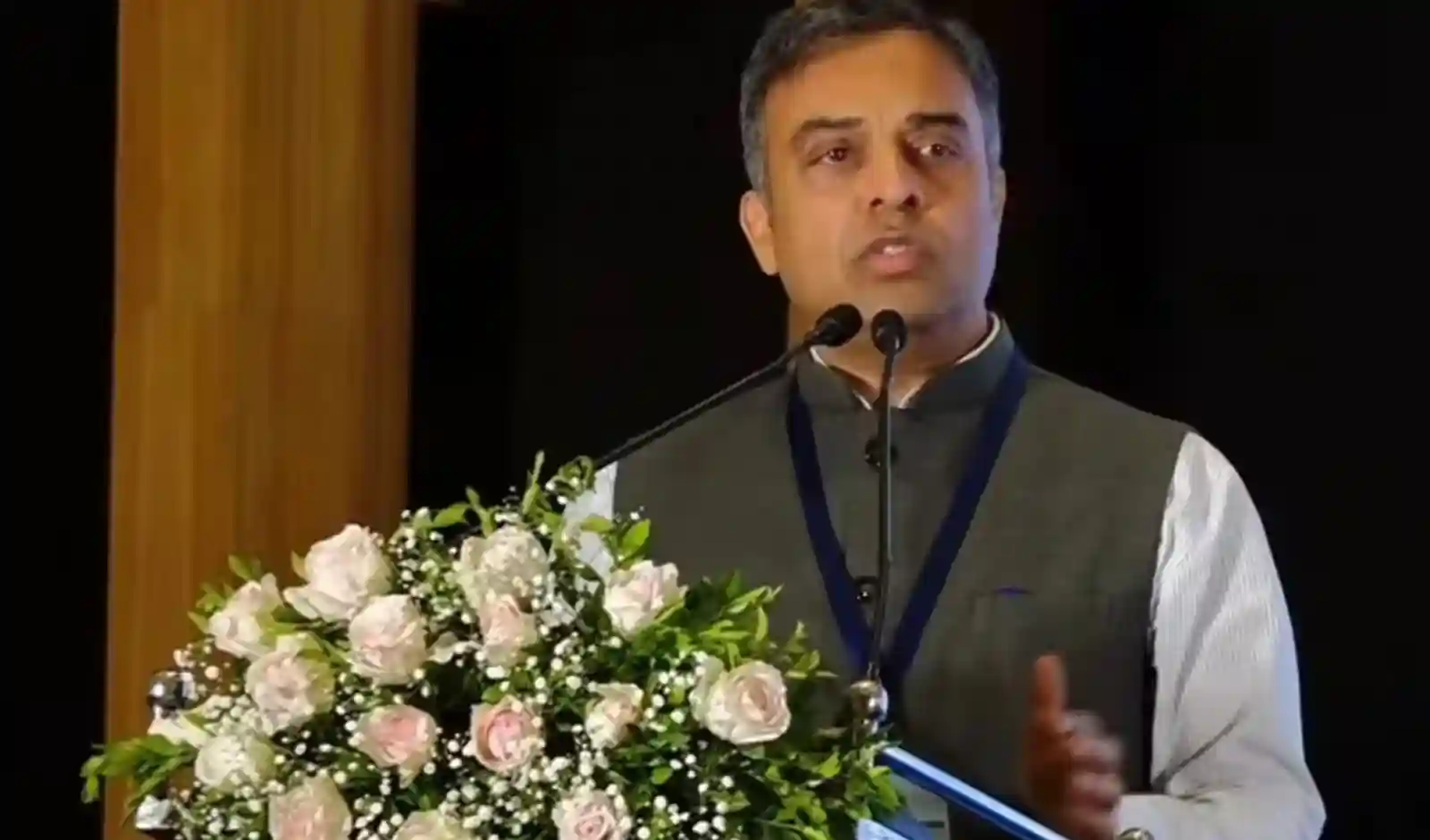
Ministry of Heavy Industries is working on a new financing support framework for electric buses and trucks, which may include interest subsidies and partial credit guarantee mechanisms. The announcement was made by Hanif Qureshi during an industry event held in Bengaluru.
Qureshi stated that financing remains one of the biggest challenges for the adoption of electric commercial vehicles, particularly among small fleet operators. He noted that many operators own fewer than five trucks or around 10 buses, making lenders cautious due to higher perceived risks.
To address this issue, the government is considering measures such as interest subvention and partial credit guarantees. According to Qureshi, if development finance institutions (DFIs) absorb part of the risk and provide interest support, financing would become easier and more public sector capital could flow into the EV commercial vehicle segment.
He added that electric buses and trucks are central to India’s strategy to reduce fossil fuel consumption and emissions. Although trucks account for only 3 percent of vehicles in the country, they consume nearly 42 percent of the total diesel usage.
Under the PM e-Drive scheme, the government has allocated ₹2,000 crore for EV charging infrastructure out of the scheme’s total ₹10,900 crore budget. The ministry has identified 24 high-density freight corridors and 50 bus corridors for charger deployment. According to Qureshi, India currently has more than 67,000 EV chargers, including over 25,000 fast chargers.
The ministry estimates that around 72,000 public chargers will be required by 2030, including nearly 1,800 chargers dedicated to buses and trucks and around 22,000 chargers for passenger vehicles.
Qureshi said the focus is now shifting beyond charger availability toward operational reliability, including error-free systems, dependable mobile applications, and seamless payment and refund processes.
He also reiterated the government’s focus on promoting domestic manufacturing across EVs, batteries, and charging infrastructure. Under the ₹26,000 crore automobile PLI scheme, eligible manufacturers are required to achieve at least 50 percent domestic value addition. Similarly, EV chargers installed under government-supported schemes must comply with phased manufacturing programme norms, discouraging direct imports of fully built chargers.
On battery manufacturing, Qureshi said India currently has around 2 to 2.5 GWh of advanced chemistry cell manufacturing capacity operational under the ₹18,100 crore PLI-ACC scheme. He added that more than 100 GWh of production capacity is expected to become operational by 2029-30 through a combination of PLI-backed and private sector investments.
According to ministry data, electric passenger vehicles accounted for 4.1 percent of India’s 5.2 million car sales last year, while electric two-wheelers contributed around 7 percent of total two-wheeler sales. Electric three-wheelers accounted for nearly 35 percent of new sales in their segment.


