


 79
/ 2
Min Read
79
/ 2
Min Read


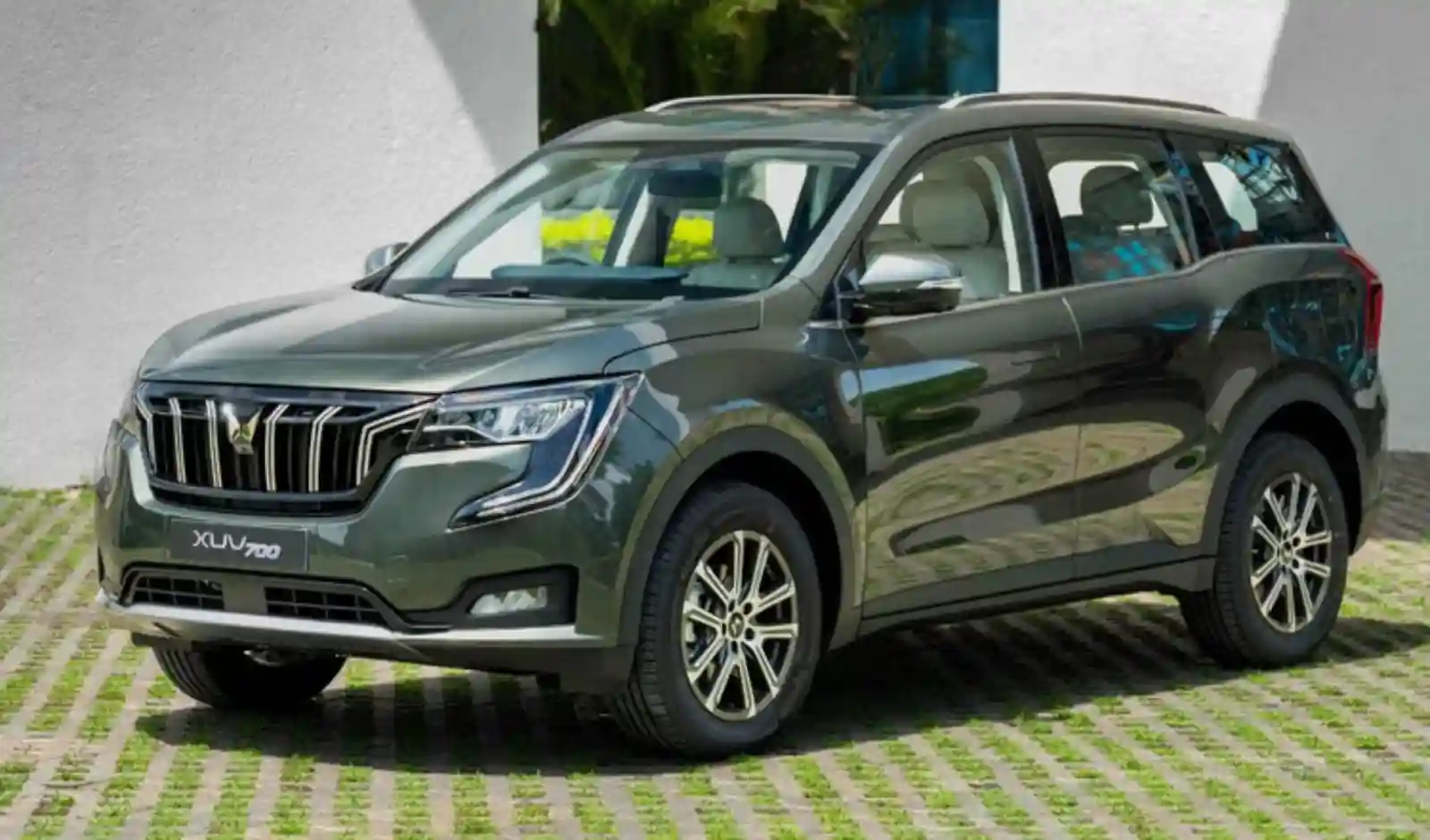
The year 2025 witnessed a significant reshuffling in the rankings of India’s third-largest passenger vehicle market. Mahindra & Mahindra (M&M) secured the second position for the first time in a full calendar year, while Tata Motors overtook Hyundai Motor India to claim the third spot, according to vehicle registration data.
As per Vahan data, by December 25, M&M’s registrations stood at approximately 581,000 units, up from 490,000 units in 2024. Tata Motors’ registrations increased to 552,000 units, while Hyundai’s registrations fell to 550,000 units.
The rise of M&M and Tata Motors reflects their robust business strategies, diversified vehicle portfolios, and strong focus on SUVs. Both companies have also gained incremental volumes through new offerings in the electric vehicle (EV) segment.
Hyundai, meanwhile, faced challenges due to heavy reliance on its Creta model and transitions of older models like the Venue, which affected overall sales momentum. Its EV performance also lagged; despite starting the year as one of the top three EV sellers, Hyundai has now fallen behind Tata, JSW MG, and M&M, as well as newer and premium competitors like VinFast, Kia, and BMW.
For M&M, Scorpio and Bolero drove sales in semi-urban and rural markets, while urban demand was supported by Scorpio N, Thar Roxx, and XUV series. Additionally, their new EVs, BE 6 and 9E, contributed meaningful sales in the growing EV market.
Tata Motors staged a steady comeback after a slow start. The launch of the Curvv model and Harrier EV helped maintain its leadership in the EV segment. Strong demand for Nexon and Punch also enabled Tata to surpass Hyundai.
Looking ahead, Tata Motors is planning a more aggressive market push with upcoming launches such as the Sierra, new petrol versions of the Harrier and Safari, and several other models. M&M is also intensifying competition with the updated XUV700 and recently launched electric SUV XEV 9e.
Amid declining market share and rising competition, Hyundai has rolled out a six-pronged strategic plan, focusing on product portfolio expansion, localisation, and electrification. The company aims to launch 26 new models and upgrades by 2030, including 6 EVs and 20 ICE vehicles across various segments.
Meanwhile, Maruti Suzuki maintained its position as India’s largest carmaker, recording 1.75 million registrations in 2025, up from 1.64 million units in 2024.


