


 1259
/ 1
Min Read
1259
/ 1
Min Read


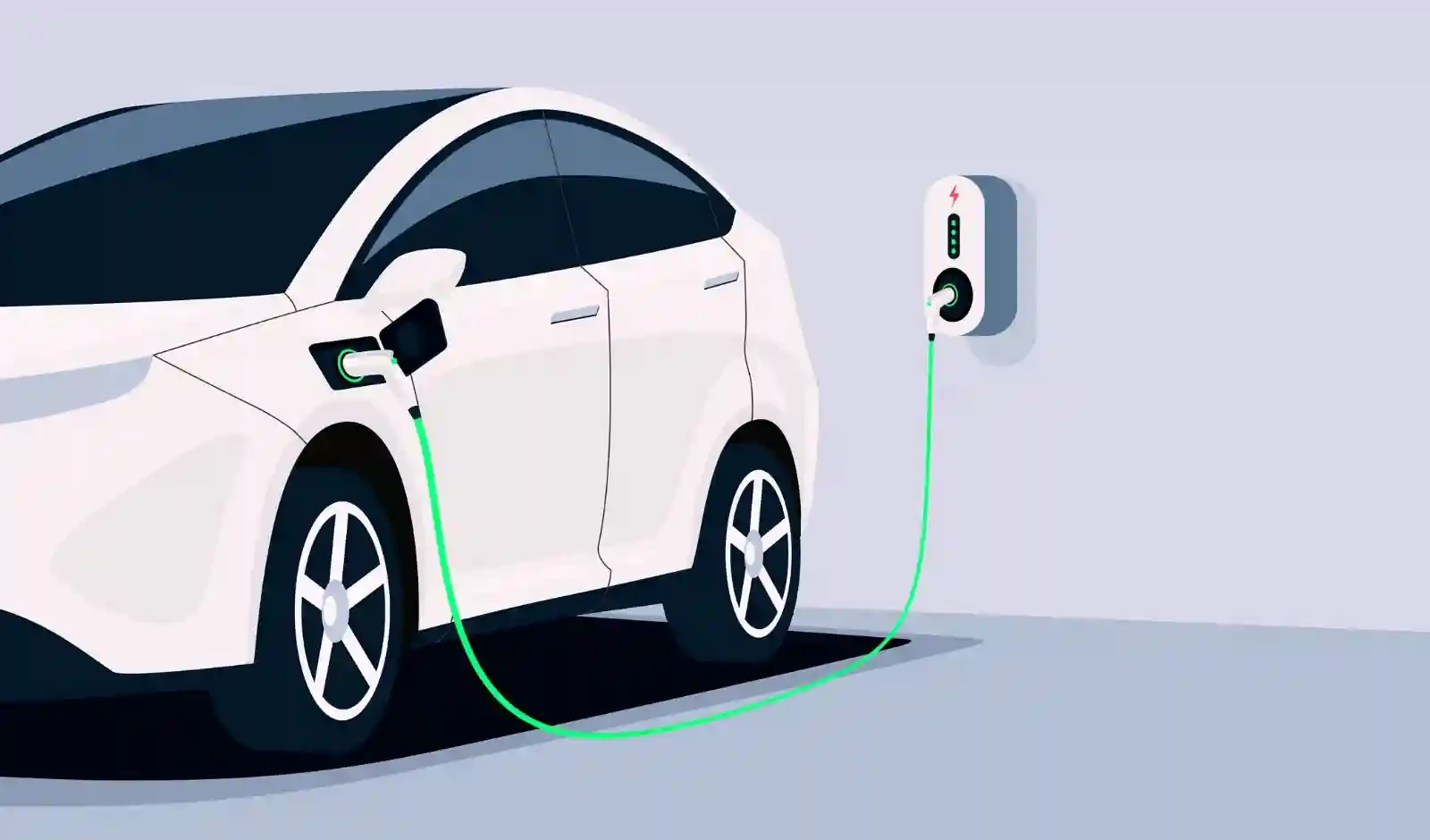
India has significantly expanded its electric vehicle (EV) charging infrastructure in 2025, installing thousands of new stations at petrol pumps across the country. According to the year-end press release from the Ministry of Petroleum & Natural Gas, under the FAME-II scheme, 8,932 charging stations were set up at retail outlets. Additionally, oil marketing companies invested their own funds to build over 18,500 more stations, bringing the total number of EV charging stations nationwide to 27,432.
This expansion will make charging easier for electric car and bike users, as these stations are located at places where people already refuel. Public sector oil marketing companies plan to establish 4,000 energy stations along major corridors and other strategic locations between 2024-25 and 2028-29. These stations will serve as integrated mobility hubs, offering conventional fuels like petrol and diesel along with alternative fuels such as biofuels, CNG, LNG (where feasible), and EV charging facilities.
Special attention has also been given to heavy trucks. Under the “APNA GHAR” project, more than 500 rest areas for truckers have been created, enhancing road safety and generating employment in rural areas.
Biofuels also saw significant progress in 2025. Ethanol blending in petrol reached 19.24%, resulting in foreign exchange savings exceeding ₹1.55 lakh crore and significant reductions in carbon emissions. Advanced biofuels were promoted under the Pradhan Mantri JI-VAN Yojana, with operational second-generation ethanol plants at Panipat and Numaligarh marking key milestones.
These initiatives form part of India’s broader strategy to move toward a cleaner and more efficient transportation system for the future.


