


 42
/ 5
Min Read
42
/ 5
Min Read


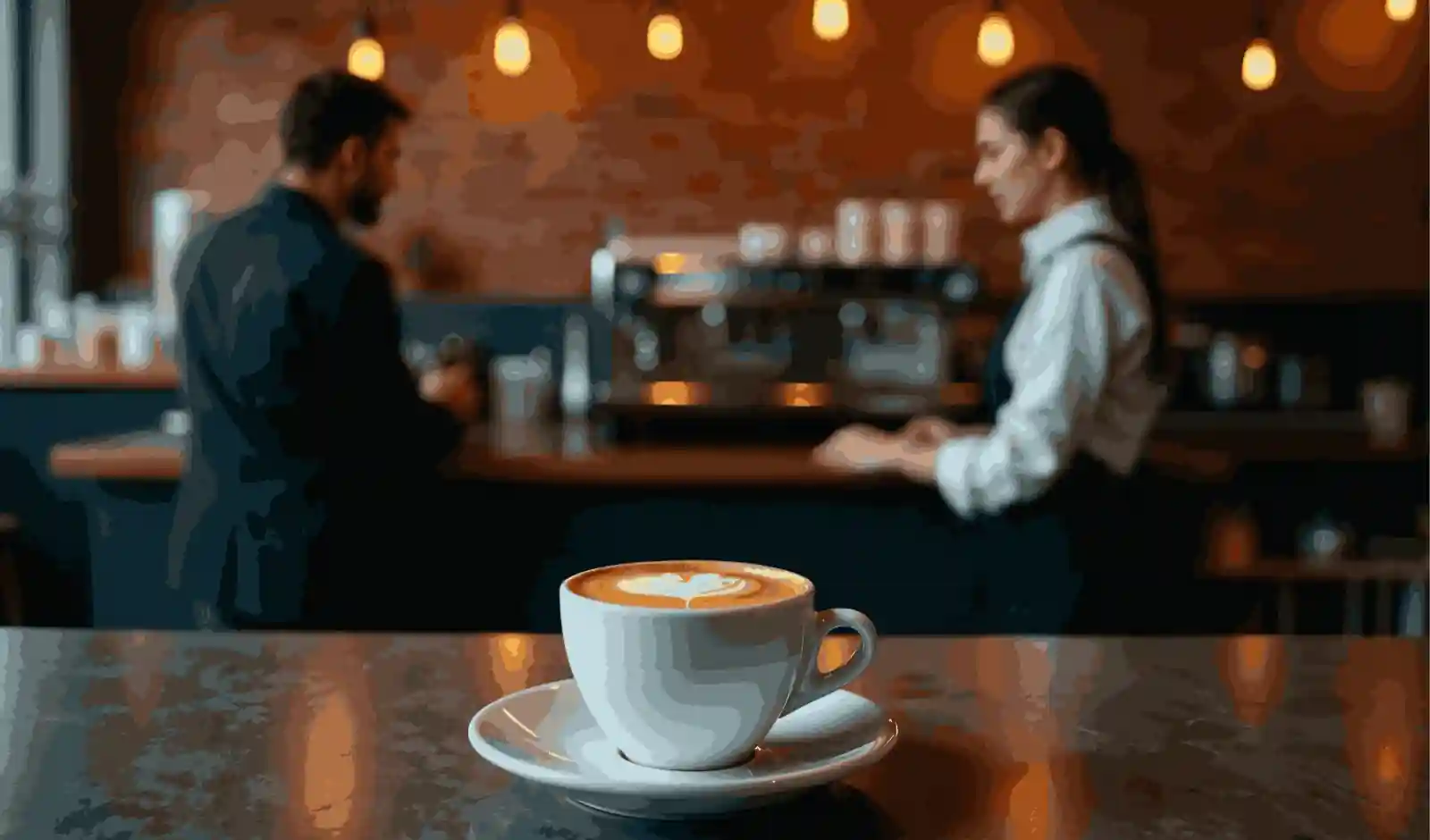
As India’s café market races ahead, most of the growth story is still being written by independent cafés rather than big chains. Industry estimates put India’s café market in 2024 at roughly USD 340–440 million, with double-digit growth (about 11 per cent) projected through 2030.
While branded chains are expanding aggressively, independents still make up the bulk of outlets in most Indian cities, and that is where much of the new consumer demand appears.
Domestic coffee consumption has inched up over the past decade to about 91,000 tonnes in 2023, driven by urbanisation, premiumisation, and a visible café culture. For standalone operators, that translates into larger, more curious audiences, especially in metros and fast-growing neighbourhoods.
Bengaluru-based entrepreneur Prarthana Prasad, founder of Beku café, bakery and bookstore, has watched this play out. “Honestly, it feels like there are a lot of cafés opening in Bangalore, but statistically speaking, when you compare this to slightly more global cities in other continents, the population-to-café ratio there is massive. Bangalore, by comparison, might have 500 to 2,000 cafés. So, while social media noise makes it feel like there are a lot of new spaces, I do think that the number of people interested in visiting cafés is growing massively every day because of how much Bangalore is expanding,” she said.
For her, the surge in new cafés is driven by genuinely strong consumer demand.
Experiences over Convenience
Independent cafés are betting on experience over pure convenience. Chains win on predictability and reach, but standalone spaces are often the first choice for a unique experience.
“A lot of chains have become just a back-of-the-mind option when you need to get some work done or you want the most convenient space for a quick meeting. But there is definitely interest from people who want to try something new or experiential. There’s also a group of people who seem to have made it their hobby to visit every new F&B establishment; it’s almost their weekend activity,” Prarthana shared.
At Dolci Cafe, Executive Director and CEO Balaji M has seen a similar shift. Younger diners, he said, want authenticity and Instagram-ready ambiance.
“There is a rise in adventurous, globally curious palates, especially among younger customers. Millennials and Gen Z in particular are looking for cafés that offer both quality and experience. They want a place where the food is authentic and the ambiance is Instagram-worthy,” he explained.
Storytelling and Specialisation
If chains are about scale, independents trade in soul and story. Beanlore Coffee Roasters co-founder Prasanna Kumar said guests are far more intentional now.
“People are seeking more meaningful, slower, and quality-driven experiences, which has translated into higher interest in artisanal beverages, seasonal menus, and transparency about sourcing. Digital influence has also played a major role. Customers now arrive more informed about beans, roasting profiles, sustainability, and brewing techniques,” he mentioned.
Being independent give teams the agility to innovate and respond quickly. Prarthana expects specialisation to become a key survival strategy.
“I think the most benefit in the future will go to people who specialise in something unique. Cafes that focus on smaller menus, high-quality food, and specific cuisines in a casual seating will benefit more,” she further added.
Challenges: Digital squeeze and Rising Costs
However, for independent players, growth brings fresh pressures.
“A fairly new challenge for the industry is the lack of autonomy we now have because of social media and online restaurant aggregators. When you’re trying to bring in new footfall, the only real ways to do that now are social media or signing up with a massive delivery aggregator like Zomato or Swiggy, and that comes with many challenges,” worried Prarthana.
Influencer marketing and aggregator commissions have skewed economics.
“If all the competitors around us are spending two or three lakh a month on influencers to bring in footfall, and I don’t want to or don’t have the budget to do that, it becomes a huge setback,” she pointed.
Rising rents, raw material costs, and talent retention add to the pressure. Balaji warned that scaling while preserving quality is hard.
“Maintaining consistently high standards of food quality, service, and overall experience while scaling across multiple outlets is a significant challenge. Competition is intensifying not only from major chains but also from boutique cafés, mobile cafés, and ghost kitchens,” he shared.
As the café market expands and consumption rises, standalone cafés are the laboratories where trends like specialty brews, experiential menus, and place-based identity are invented and refined.
 This article was originally published by the Restaurantindia.in. To read the full version, visit here


