


 126
/
4
Min Read



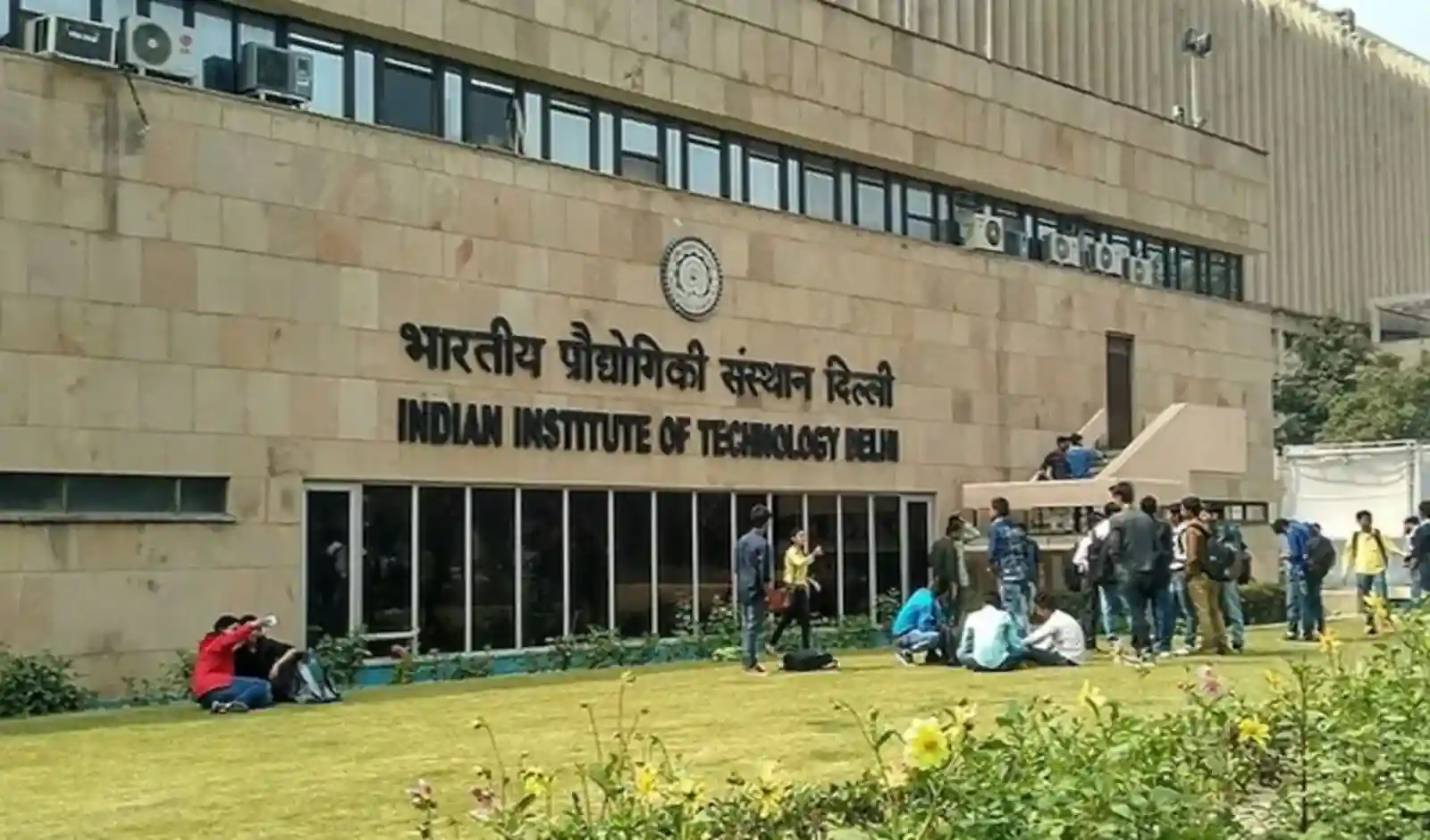
Researchers at the Indian Institute of Technology (IIT) Delhi have developed a high-resolution bioclimatic dataset to improve studies related to the environment and ecology. The dataset will help scientists and environmental experts understand the climatic conditions of different regions across India in greater detail. According to the researchers, it could give a new direction to environmental, agricultural and ecological research in the country.
The dataset has been named ‘IPEDClim’. The bioclimatic atlas of India has been published in the research journal ‘Environmental Research: Climate’. It covers the entire country at a resolution of approximately 10 kilometres. Bioclimatic data converts temperature and rainfall records into indicators that are important for living organisms and ecosystems. These include annual mean temperature and rainfall levels during the wettest and driest seasons.
IPEDClim to Address Limitations of Global Datasets
According to the researchers, scientists studying India's climate and environment have so far primarily relied on global datasets such as NASA's ‘MERRAclim’ and the University of California's ‘WorldClim’. However, these datasets have certain limitations in capturing India's diverse climatic and geographical conditions in sufficient detail.
India has diverse geographical regions, including the Himalayan region, deserts, coastal areas and dense forests, each with distinct climatic conditions. The new dataset could help researchers better understand variations in temperature and rainfall across these regions.
The research was led by Manabendra Saharia, a researcher from the Department of Civil and Environmental Engineering at IIT Delhi. He said that this is the highest-resolution dataset of its kind in India and expressed hope that researchers would make extensive use of it.
Research Based on IMD Temperature and Rainfall Data
According to Manabendra Saharia, the temperature data used in the study is based on official records from the India Meteorological Department (IMD). The department has been releasing these records for several years, but they had not previously been specifically developed for ecological studies.
Meanwhile, the rainfall-related dataset was developed by the research team and released by the Ministry of Earth Sciences in July 2025. The present study builds on this work. It combines temperature and rainfall records to develop bioclimatic indicators for research related to the environment and the water cycle.
The project is funded by the National Mission for Clean Ganga (NMCG) under the Ministry of Jal Shakti. According to the researchers, the dataset can be used for ecological, agricultural and environmental studies across the country.
Study to Examine Climate Impact on Forests and Biodiversity
Raman Sukumar, an ecologist at the Centre for Ecological Sciences, Indian Institute of Science (IISc), Bengaluru, also highlighted the importance of the research. According to him, bioclimatic data helps scientists understand the relationship between environmental conditions and large-scale ecological processes.
He explained that the data can be used to study biological productivity in forests and grasslands, changes in carbon storage, forest fire incidents and seasonal changes in plants. These include processes such as the emergence of new leaves, flowering and fruiting.
According to Sukumar, the availability of several decades of climate data at a resolution of around 10 kilometres will help scientists understand changes across India's different biogeographic regions and ecosystems. It will also make it possible to study how ecosystems respond to climate events such as El Niño.
Data Validation Required Before Use at Smaller Scales
Sukumar said that before using IPEDClim in smaller geographical areas, temperature, rainfall and other climate-related data must be validated against ground-level information. This will help in developing more accurate bioclimatic information at a resolution of around one kilometre.
He cited the example of Mudumalai National Park in Tamil Nadu, where his team has been monitoring permanent forest plots for more than three decades. He said that in the coming months, his team will test the IPEDClim dataset in its study area. Satellite data and information collected through ground surveys will be used for this purpose.
Overall, the research by IIT Delhi could provide an important scientific resource for climate, biodiversity and environmental studies in India. It will help researchers understand changes across different ecosystems and strengthen future environmental research.


