


 186
/
3
Min Read
186
/
3
Min Read


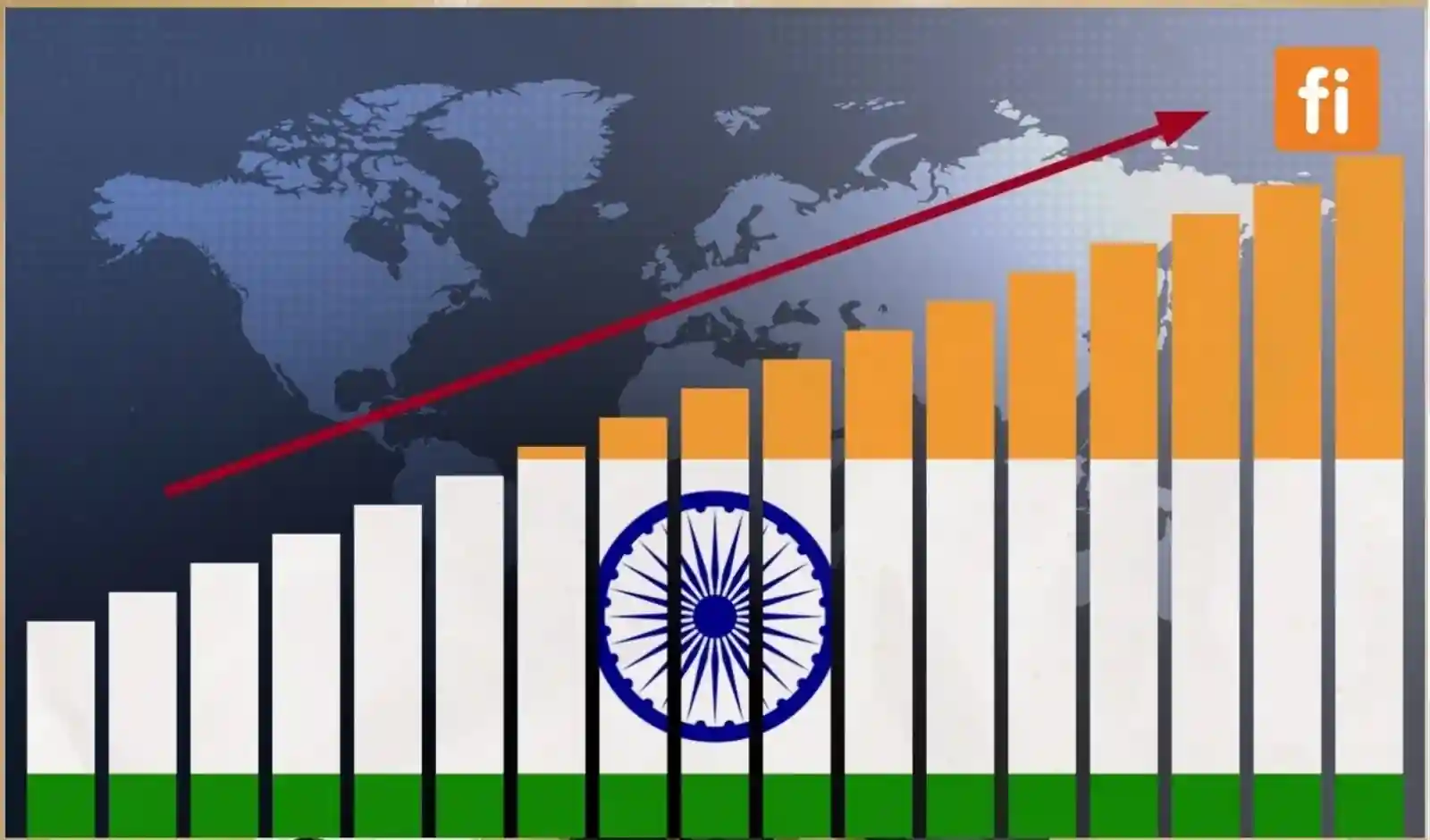
India is expected to post robust economic growth of 6.6 per cent in 2026, retaining its position as the world’s fastest-growing major economy, as strong domestic consumption and sustained public investment cushion the impact of higher US tariffs, according to a new United Nations report.
In its World Economic Situation and Prospects 2026, the UN Department of Economic and Social Affairs (UN DESA) said India’s growth is likely to ease from an estimated 7.4 per cent in 2025 but remain “exceptionally high” amid a challenging global backdrop.
The report noted that resilient private consumption, continued government spending on infrastructure, recent tax reforms and lower interest rates are expected to support near-term growth. While elevated US tariffs could weigh on exports—given that the US accounts for around 18 per cent of India’s total shipments—strong demand from Europe and the Middle East is projected to partially offset the impact.
On the supply side, the UN said ongoing expansion in manufacturing and services will continue to drive growth, helping India withstand external headwinds. Key export segments such as electronics and smartphones are also expected to remain largely insulated from tariff pressures.
Speaking at a media briefing, Ingo Pitterle, Senior Economist and Officer-in-Charge of UN DESA’s Global Economic Monitoring Branch, said South Asia would remain the world’s fastest-growing region, expanding by 5.6 per cent, with India accounting for the bulk of that momentum.
“The growth outlook for India reflects a powerful combination of factors—strong consumer demand, falling inflation, robust public investment and supportive monetary conditions,” Pitterle said, adding that easing inflation has been aided by a strong agricultural harvest.
UN DESA officials also highlighted India’s growing diversification of export markets, particularly toward the European Union and the Middle East, and the continued resilience of services exports even as merchandise trade faces pressure from tariffs. Services exports, supported by India’s skilled workforce, were described as a key strength as artificial intelligence and digital technologies create new productivity opportunities.
The report pointed out that consumer price inflation in India averaged around three per cent during the first nine months of the year, lower than expected due to favourable base effects and softer food prices. Inflation is forecast to settle at about 4.1 per cent, close to the Reserve Bank of India’s target midpoint, potentially allowing room for further monetary easing.
Public spending has driven strong growth in gross fixed capital formation, particularly in physical and digital infrastructure, defence and renewable energy. Employment conditions remained broadly stable, with the unemployment rate at 5.2 per cent in October 2025, compared with 4.9 per cent a year earlier, alongside rising labour force participation in both rural and urban areas.
The Indian rupee stabilised in the first half of the year amid broad dollar weakness, though it came under pressure later due to portfolio outflows, stronger-than-expected US growth and trade-related uncertainties. Nevertheless, the UN said India’s strong economic fundamentals should provide near-term support to the currency.
At a broader level, the report said global growth is expected to slow slightly to 2.7 per cent in 2026 from 2.8 per cent in 2025, remaining below the pre-pandemic average. Against this backdrop, India’s performance stands out, with the UN citing its industrial policies—particularly in agriculture, logistics and domestic manufacturing—as examples of how structural reforms can reduce vulnerability to global shocks and contain inflation.
 This article was originally
published by the Franchiseindia.com. To read the full version,
visit here
This article was originally
published by the Franchiseindia.com. To read the full version,
visit here 


