


 197
/
2
Min Read
197
/
2
Min Read


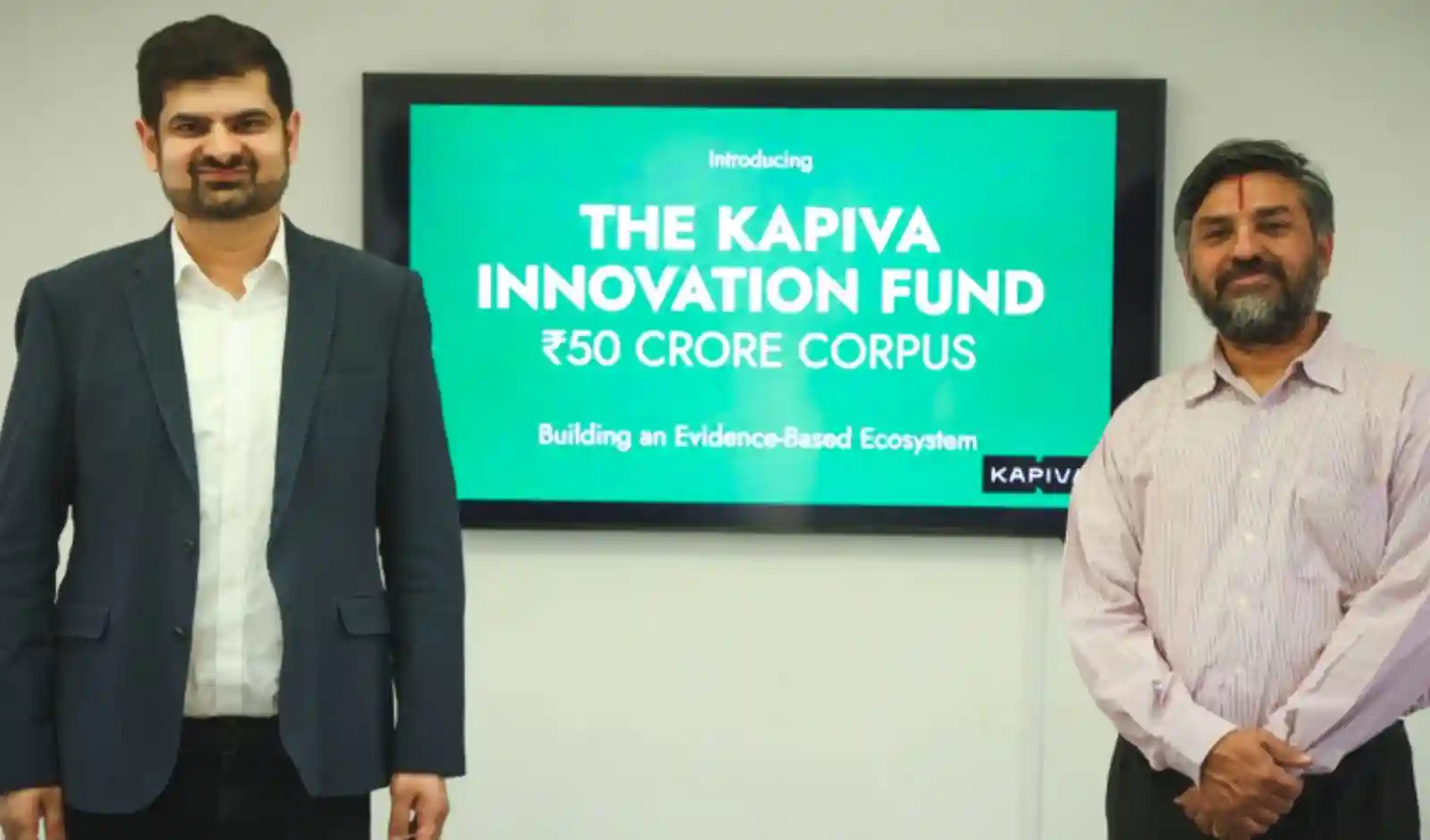
Healthcare brand Kapiva has announced the launch of the Kapiva Innovation Fund, committing up to INR 50 crore to support research driven innovation in Ayurveda.
The fund is designed to back institutions, startups and researchers working on evidence based Ayurvedic science, with a focus on translating traditional knowledge into clinically validated solutions.
The Bengaluru-based company said the fund will invest across the research lifecycle, ranging from early academic work to projects nearing commercialisation. Cheque sizes will be around INR 50 lakh for early stage research and between INR 4 crore and INR 6 crore for late stage programmes. Capital support will be combined with access to mentorship, clinical infrastructure and regulatory guidance.
Kapiva aims to use the fund to strengthen areas such as novel formulations, standardisation, phytochemistry, artificial intelligence applications in Ayurveda, pre clinical and clinical studies, extraction technologies and bioactive enhancement.
Applications are open to research institutions, PhD scholars, clinicians, hospitals, incubators and early stage startups working in Ayurveda, plant based therapeutics and integrative health.
Founder Ameve Sharma said, “For decades, Ayurveda has been seen as either faith based or purely traditional wisdom. We believe its future lies in being outcome led and evidence backed. This fund is a long term bet on that future.”
Kapiva already runs in-house R&D programmes and collaborates with institutions including THSTI, Manipal College of Pharmaceutical Sciences and Manipal Hospitals. The company follows structured testing protocols and conducts clinical trials on select products.
Kapiva was founded in 2015 by Ameve Sharma and Shrey Badhani. It offers natural Ayurvedic wellness products, including juices, gummies, teas, capsules, and clinical research backed solutions for health and nutrition.
Kapiva has raised about USD 120 million to date, including over USD 60 million in September 2025 led by 360 ONE Asset and Vertex Growth. The company plans to go public in the next two to three years. Its competitors include Dabur, Baidyanath, Himalaya, Patanjali and Zandu.
 This article was originally
published by the
This article was originally
published by the 


