


 93
/
2
Min Read
93
/
2
Min Read


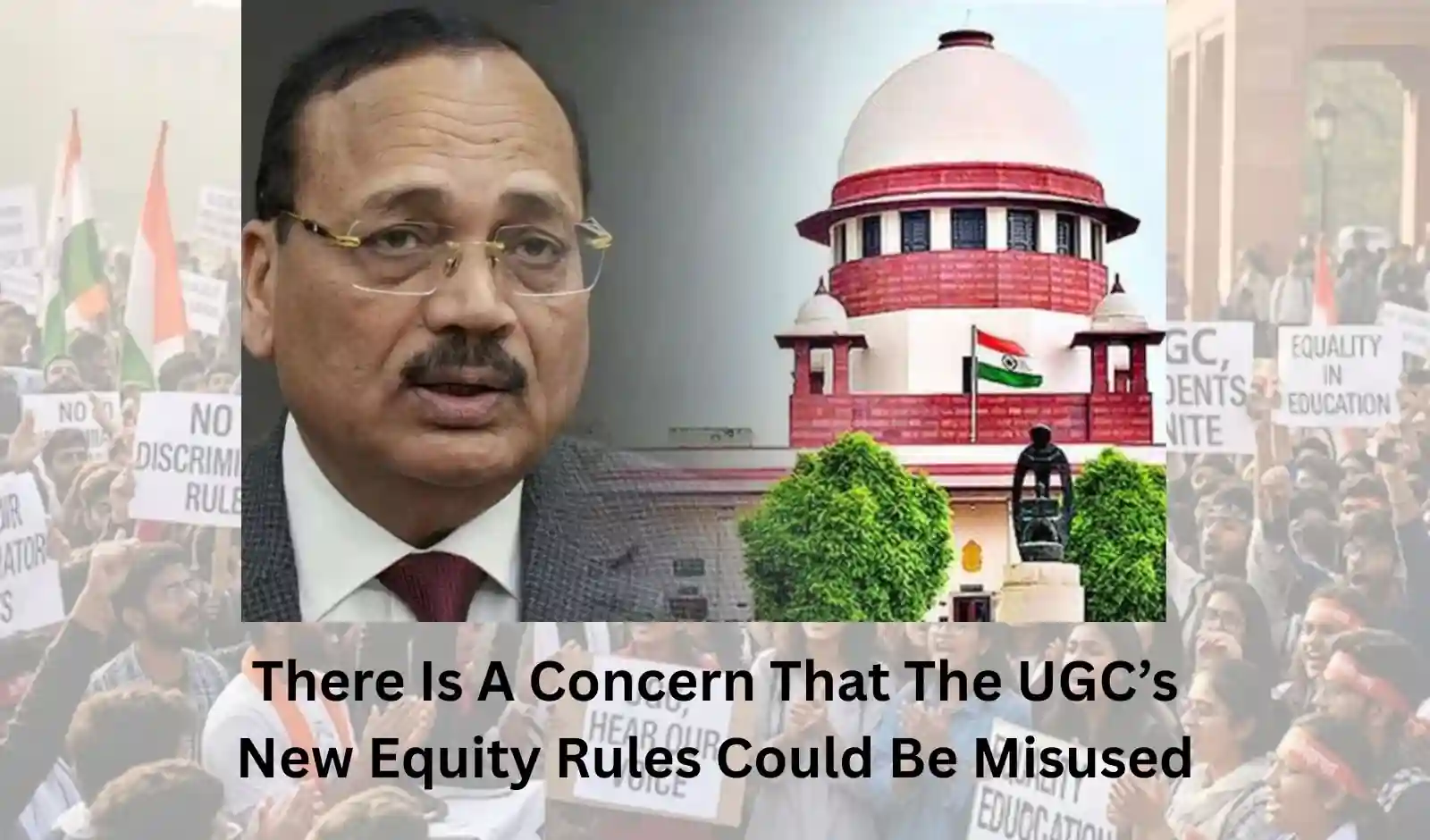
The Supreme Court has stayed the UGC’s new Equity Rules: During the hearing, the Chief Justice said there is a possibility of misuse of these rules. The Supreme Court has asked the central government to submit its response and has directed that a committee be formed. Petitions challenging the UGC’s equity-related rules have been filed by Mrityunjay Tiwari, Advocate Vineet Jindal and Rahul Diwan. They have argued that the new rules promote discrimination against the general category.
On Thursday (January 29, 2026), the Supreme Court ordered that the new regulations framed by the University Grants Commission (UGC) titled “Promotion of Equity in Higher Education Institutions Regulations, 2026” will not be implemented for now. This means that an interim stay has been imposed on these rules.
The Court said that several serious objections have been raised against the regulations. The petitioners allege that the rules discriminate against candidates from the general category. At a preliminary level, the Court observed that the language of the regulations is unclear and that they could be misused.
Challenge to the Constitutional Validity of UGC Rules
The Supreme Court also suggested that these regulations should be reviewed by a committee of independent and experienced legal experts (Eminent Jurists) to determine whether they are in line with the Constitution.
The matter was heard by a bench comprising Chief Justice of India Justice Suryakant and Justice Joymalya Bagchi. The Court was hearing three separate writ petitions challenging the constitutional validity of the UGC Regulations, 2026.
The Supreme Court has issued notices to the central government and the UGC, seeking their responses by March 19. Until then, and until a final decision is taken, the 2026 regulations will remain in abeyance. The Court also clarified that, in the meantime, the earlier UGC regulations of 2012 will continue to apply, to avoid any legal or administrative confusion in higher education institutions.
The Supreme Court believes that the UGC’s new equity rules are not yet clear and balanced. Therefore, it has put them on hold and sought responses from the government and the UGC to ensure that the rights of students and educational institutions are protected.


