



 200
/
4
Min Read
200
/
4
Min Read


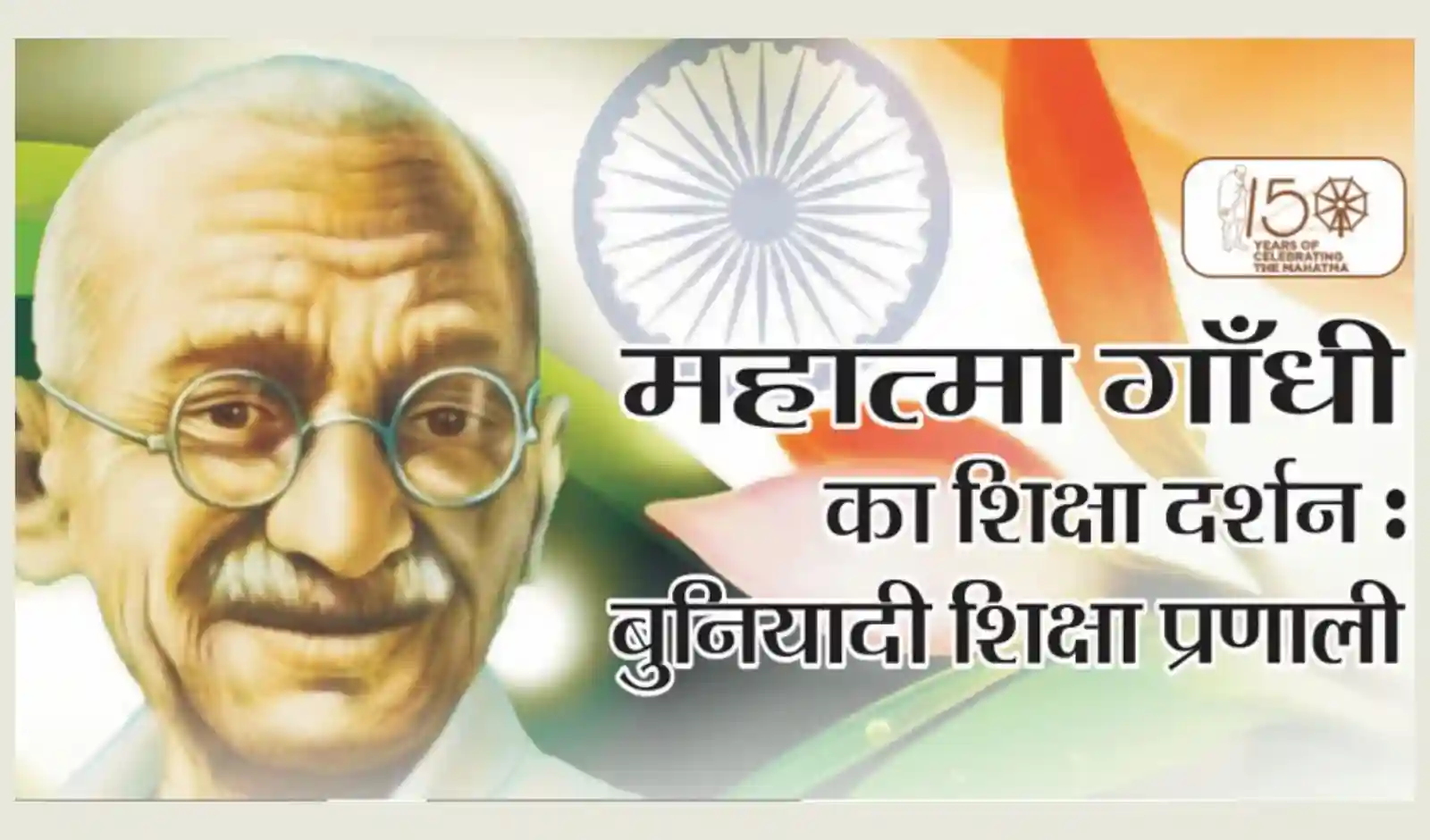
Today, on the 78th death anniversary of the Father of the Nation, we pay tribute to him. By following the path of nonviolence, truth and service, Gandhi not only led India to independence but also taught us lessons in truth, morality and social responsibility. His ideals continue to inspire society and the nation today.
The goal of Gandhi’s Basic Education was to teach children in their mother tongue while engaging them in practical work. He wanted children to be skilled, hardworking and self-reliant. Gandhi believed that education should be linked with local crafts, allowing children to develop mentally, physically and morally. At the same time, they should become useful members of society and stay connected with Indian culture, ensuring their holistic development. These ideas of Gandhi remain relevant today in addressing unemployment, poverty and social challenges.
Detailed Insights into Gandhi’s Educational Thoughts
Gandhi’s Basic Education was a practical application of his educational philosophy. Its purpose was to create children with good values, self-reliance, responsibility and social usefulness. He believed that education should provide young people with skills so that they could take up self-employment and reduce unemployment. According to Gandhi, education should develop all the capacities of a child, helping them become a complete human being. Only when a person develops in a balanced way can they understand the ultimate goal of life Truth or God.
Gandhi emphasized that education is not just reading and writing. In his words, education is that which develops the body, mind and soul of a child or human being. Literacy is just a means, not the end of education.
Key Principles of Gandhi’s Basic Education
Free and Compulsory Education: Education should be free and compulsory for all children aged 7 to 14.
Education in Mother Tongue: The medium of instruction should be the mother tongue, enabling children to learn easily and stay connected with their culture.
Craft-Based Education: Education should not be limited to books but linked with practical work or local crafts, helping children develop skills and self-reliance.
Character Building and Human Values: Education should focus not only on book knowledge but also on moral values, good conduct and strong character.
Holistic Development: Education should ensure the balanced development of the body, mind, heart and soul.
Practical Experience: Along with academics, children should gain hands-on experience through work.
Economic Self-Reliance: Education should enable children to become economically independent and capable of earning a livelihood.
Importance of Women’s Education: Educating women benefits the nation because they play a crucial role in imparting values to children.
Gandhi emphasized child-centered and life-related education, aiming for the development of head, heart and hands, so that the child’s overall personality flourishes.
Gandhi’s Views on Vocational Education
According to Gandhi, education should teach children a craft or skill that enables them to work in a trade or profession in the future. The goal was to make children self-reliant, capable of earning a living. This did not mean children should become mere laborers; rather, they should learn while earning and gaining practical experience.
Gandhi also stressed that vocational education should go hand-in-hand with cultural and mental development. Both should progress simultaneously. He opposed rote learning, considering it flawed.
Gandhi wanted children to learn through local crafts, ensuring the balanced development of body, mind and soul, preparing them to meet future needs. The main goal of his education was to create self-reliant, morally upright and culturally enriched individuals who could contribute to nation-building, not merely job seekers.
Education as a Key Social Institution
Gandhi believed that education is a vital social institution, helping maintain and advance social order. His contribution to education is significant because he was among the first to develop a swadeshi (indigenous) education system in British India.
While modern education has many positive aspects, it often promotes materialism, consumerism, unhealthy competition and sometimes controversial issues (for example, current disputes over new UGC regulations). This has led to a decline in moral values, unrest among youth and growing societal uncertainty. Gandhi had anticipated such problems long before independence and proposed an alternative model of Basic Education.
Gandhi’s education was based on truth, love, nonviolence, self-sacrifice and character building. These principles remain relevant even today. The need is to adapt his ideas to modern times, integrating environmental awareness, moral values, social responsibility and community consciousness into education. Only then can the true development of the nation be achieved.


