


 418
/
2
Min Read
418
/
2
Min Read


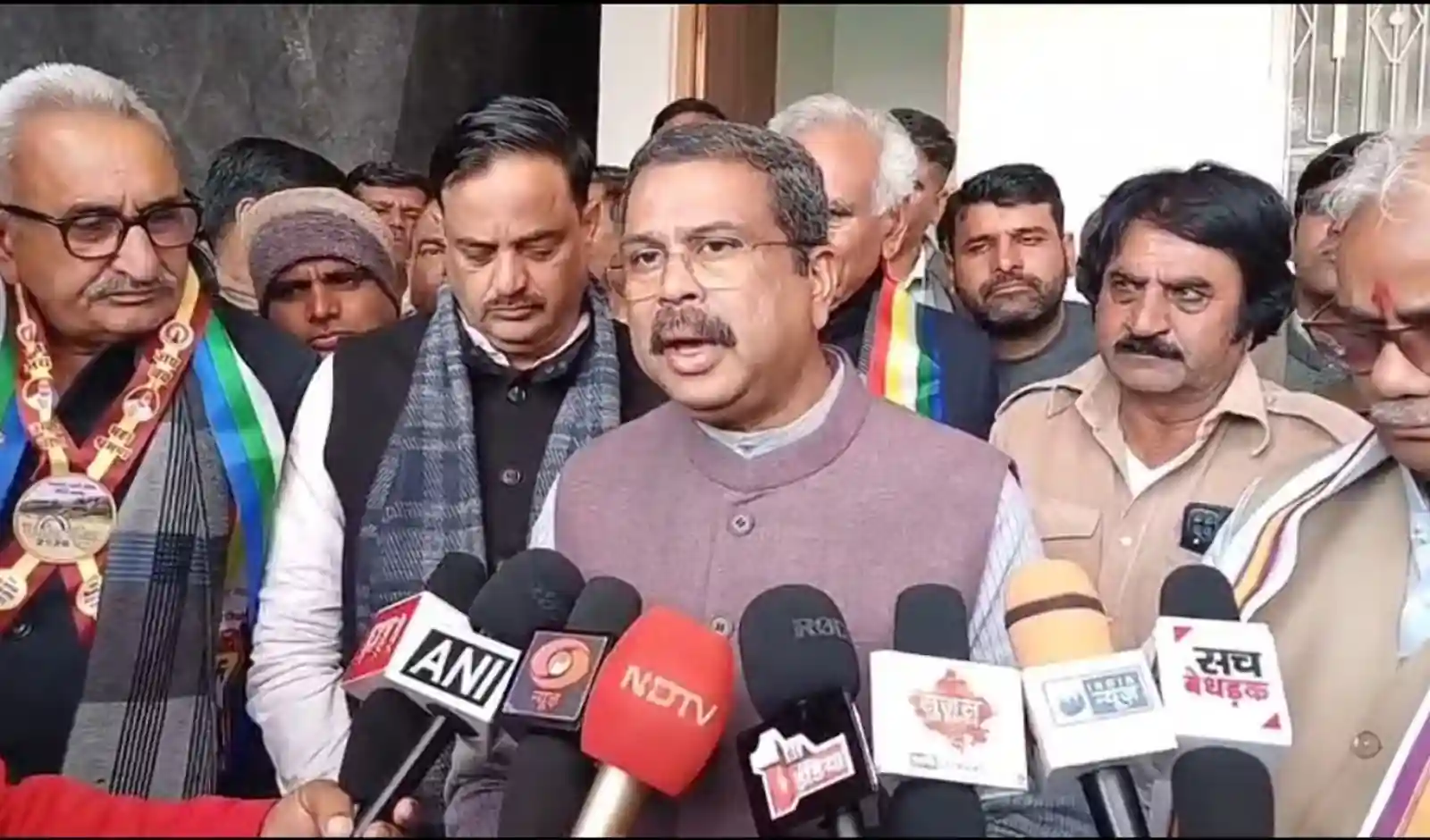
The UGC Equity Regulations 2026 are sparking protests and concerns among general category students. Meanwhile, Union Education Minister Dharmendra Pradhan has stated that "these regulations are being implemented strictly within the framework of the Constitution and under the supervision of the Supreme Court."
He also clarified that these regulations will not be misused. "I want to assure everyone that no injustice will be done to anyone in this process and no one will be able to misuse these laws," the minister said.
Equal Opportunity Centers (EOCs) Will Be Established In Universities And Colleges
Under these new regulations, it will be mandatory for all universities and colleges to establish Equal Opportunity Centers (EOCs). Additionally, committees will be formed on campuses to investigate complaints of discrimination and promote equality and inclusion in educational institutions.
However, following this decision, protests led by the 'Savarna Sena' (Upper Caste Army) have erupted outside the UGC headquarters. Protesters say that these regulations lack a clear mechanism for filing complaints for general category students.
They also allege that these regulations could increase inequality. They have cited statistics in their support, showing that complaints related to caste discrimination have increased from around 173 cases in the 2016-17 academic year to over 350 in the 2023-24 academic year.
These rules were enacted following a Supreme Court order. This order pertained to a petition seeking the implementation of the UGC's anti-discrimination regulations enacted in 2012. The petition was filed by the mothers of Rohith Vemula and Payal Tadvi, both students who committed suicide in separate incidents after allegedly facing caste-based harassment.
The All India Students' Association (AISA) has supported these rules, calling them the result of years of institutional failure in educational institutions. However, the organization has also expressed concern over the vague definitions of discrimination and the lack of adequate representation of Scheduled Castes, Scheduled Tribes, Other Backward Classes and women in equality committees.
In view of the protests, the government has said that it will add such a provision in the rules, which will ensure that the complaints of general category students can also be resolved properly.


