


 414
/
2
Min Read
414
/
2
Min Read


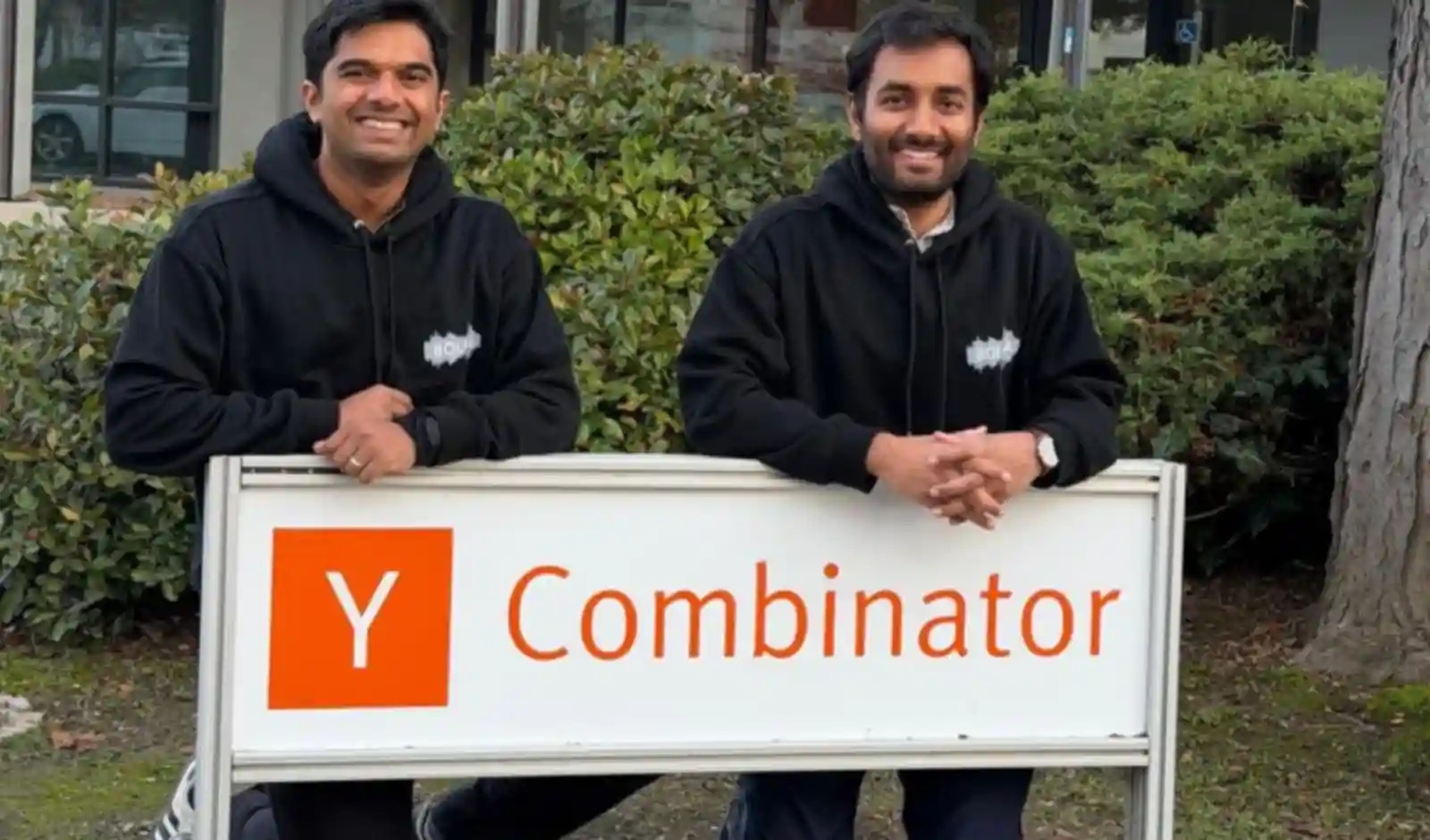
Bolna, a Bengaluru-based voice AI startup, has raised USD 6.3 million in a seed funding round led by General Catalyst, reflecting rising enterprise demand for automated voice interactions in India’s multilingual market.
The round also included participation from Y Combinator, Blume Ventures, Orange Collective, Pioneer Fund, Transpose Capital and Eight Capital, along with angel investors Aarthi Ramamurthy, Arpan Sheth, Sriwatsan Krishnan, Ravi Iyer and Taro Fukuyama, among others.
Founded in 2024 by Maitreya Wagh and Prateek Sachan, Bolna operates a voice AI platform that enables enterprises to build, test, deploy and monitor human-like multilingual AI agents at scale. The platform supports more than 10 Indian vernacular languages and is designed to function reliably in real world telephony conditions such as noisy environments and varied regional accents.
The startup is building a self-serve platform that allows enterprises to design and deploy voice AI agents without long implementation cycles or the need for specialised AI expertise. Its orchestration layer enables businesses to manage multiple languages and call scenarios within a single system, helping maintain consistent performance as call volumes and use cases increase.
The newly raised capital will be deployed to expand engineering and deployment teams, invest in proprietary AI and machine learning systems focused on vernacular voice interactions and strengthen enterprise grade infrastructure to support high volume production deployments.
Since its first commercial rollout in May 2025, Bolna claims to have scaled from handling around 1,500 calls per day to more than 200,000 daily calls, representing growth of over 13,200 percent. The startup now reports more than 1,050 paying customers across sectors including e-commerce, BFSI, logistics, recruitment and education.
Bolna’s customers include enterprises such as Varun Beverages along with high growth startups like Spinny and Snabbit. While the company serves clients in more than 10 countries, India remains its primary focus.
 This article was originally
published by the
This article was originally
published by the 


