


 86
/
3
Min Read
86
/
3
Min Read


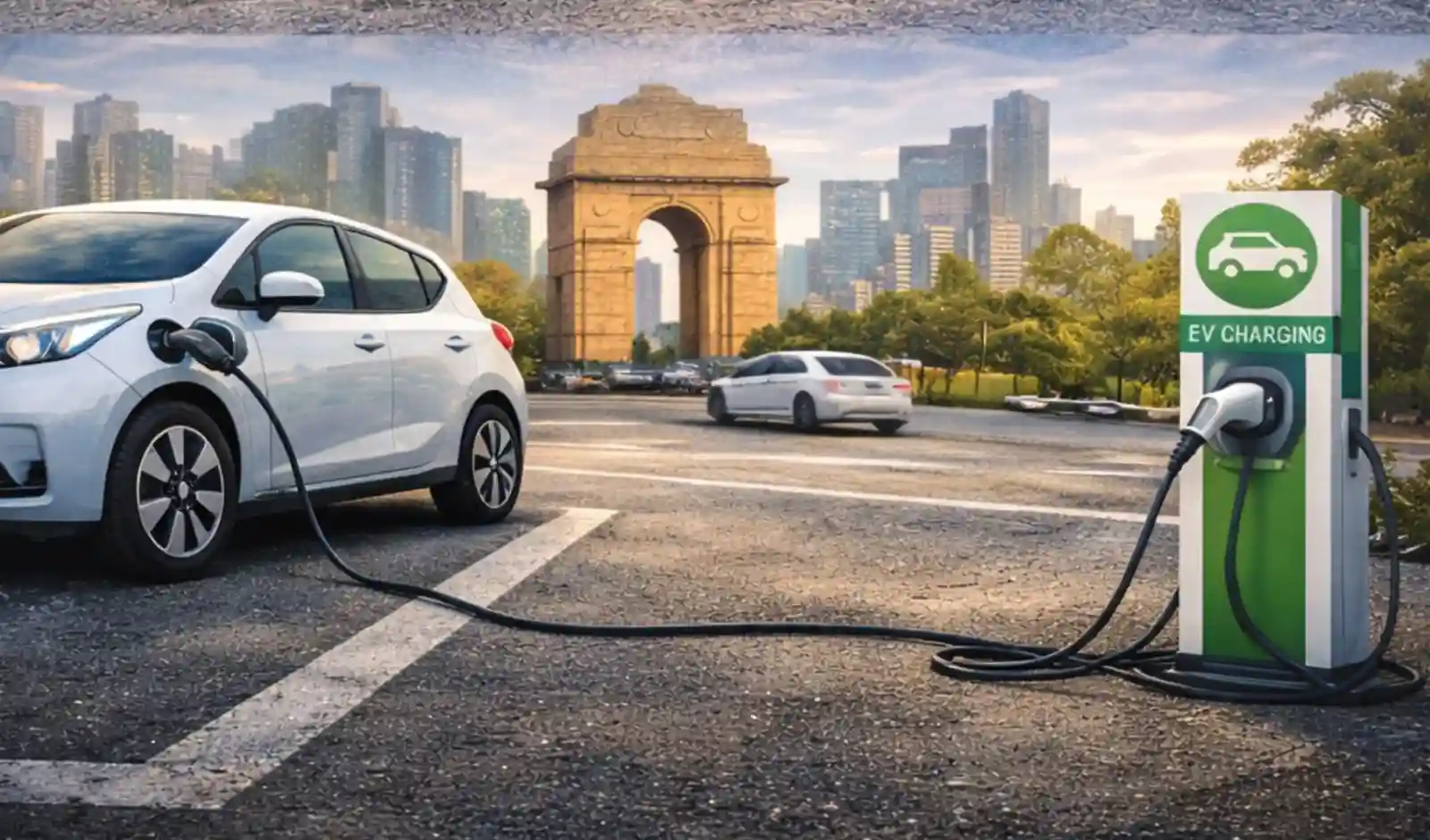
The Delhi government’s proposed EV Policy 2026–2030 is receiving widespread support from the auto and electric mobility industry. Industry leaders believe the policy will not only accelerate electric vehicle adoption but also build a robust ecosystem around battery recycling, charging infrastructure, and sustainable mobility.
Nitin Gupta, CEO & Co-Founder of Attero, praised the policy’s strong emphasis on battery recycling. He said, “Delhi’s Draft EV Policy 2026–2030 is a solid move that puts battery recycling at the centre of the city’s electric mobility push. It mandates strict compliance with the Battery Waste Management Rules 2022 and strengthens Extended Producer Responsibility, making OEMs and other entities accountable.”
He further added, “Assigning DPCC as the nodal agency and developing collection centres through public-private partnerships is a practical step toward building a real closed-loop system. The key to success will now be effective on-ground execution.”
Harry Bajaj, Founder & CEO of Mobec Innovation, described the policy as “bold and decisive.” He said, “The restriction on new petrol two-wheeler registrations from 2028, faster electrification of commercial fleets, and incentives like road tax waivers and scrappage benefits clearly show a shift from encouraging EV adoption to enforcing it with defined timelines.”
Highlighting infrastructure challenges, he noted, “The biggest challenge will be ensuring reliable and accessible charging infrastructure to support uninterrupted fleet operations. Flexible and decentralized solutions will be critical.”
Akshay Shekhar, Co-Founder & CEO of Kazam, called the policy a significant evolution. He said, “Delhi has once again proven why it is a benchmark state in EV policy. The 2026 draft goes beyond incentives and addresses market direction, fleet transition, and execution architecture together.”
He added, “Institutionalising charging rollout through digital approvals and system-level planning is what differentiates a headline-making policy from one that drives real adoption. The next challenge is disciplined execution.”
Ajinkya Firodia, Vice Chairman of Kinetic Group, termed the policy a turning point for India. He said, “I strongly welcome Delhi’s proposal to transition fully to electric two-wheelers by 2028. This is the kind of decisive leadership needed to tackle air pollution and public health challenges.”
Referring to the BS4 transition, he said, “When the Supreme Court banned non-compliant vehicles, the industry adapted and emerged stronger. It shows that strong policy decisions can drive meaningful change.”
He also pointed out, “Electric scooters offering 80–120 km range are well-suited for urban mobility. There is little justification for continued reliance on petrol vehicles in dense cities.”
Firodia emphasized that EVs are superior products, stating, “EVs are not just cleaner—they are better. They unlock innovation through electronics, connectivity, and intelligent systems, directly benefiting consumers.”
He concluded, “This policy is not just about mobility—it is about the future we want to create, where clean air, better health, and sustainability are prioritized.”
Industry leaders are aligned in their view that while the policy sets the right direction, its success will ultimately depend on effective and timely execution on the ground.


