


 102
/
6
Min Read
102
/
6
Min Read


India produces engineering graduates at a scale most countries cannot match. It does not yet produce enough engineers who can build. That contradiction sits at the heart of a much older problem, one that I became convinced could not be fixed at the college level. Fixing it means going back to the classroom and to the age of eight.
India's Classrooms: A Split Screen
India has 1.48 million schools and 265 million students enrolled in K-12 education. It is one of the largest education systems on earth. It is also one of the most unequal.
In Kerala, 99.1 percent of schools have functional computers and 95.2 percent have internet connectivity. In Bihar, those numbers are 23.8 percent and 11.1 percent respectively, with government schools as low as 5.9 percent for internet access. Nationally, UDISE+ 2024-25 data shows 64.7 percent of schools have computers and 63.5 percent are connected, but rural schools lag urban ones by nearly 30 percentage points.
This is the classroom where India is being asked to teach computational thinking. The policy ambition is real: the Ministry of Education has mandated that AI and coding will be introduced from Class 3 onwards under CBSE, beginning 2026-27. To deliver on it, India needs to train over 10 million teachers. The curriculum is ready. The infrastructure, in too many districts is not.
None of this means the mission is wrong. It means the urgency is greater than the policy timelines suggest and that parents, not just governments, have a role to play in closing the gap.
The Parents Caught in the Middle
The parents of Gen Alpha are navigating a tension that previous generations never faced. Their children are the most digitally native in human history: 92 percent of Gen Alpha children start using digital devices before age 4, and the average screen time for a child in this cohort is four to five hours daily. These are not children who need to be introduced to technology. They are already living inside it.
What parents are grappling with is not whether their child should engage with screens. That question has already been answered. The question is what kind of engagement counts as an investment in their child's future and what kind quietly erodes it.
A 2025 report found that over 66 percent of parents fear AI amplifies the risks associated with EdTech, including overuse and misinformation. At the same time, 88 percent of parents globally believe that AI knowledge will be crucial for their child's career. The anxiety and the aspiration coexist and most parents are trying to navigate both without a framework for telling them apart.
The framework, I would argue, is straightforward: passive consumption versus active creation. A child spending four hours watching content is very different from a child spending four hours building a game, debugging a script, or designing an app. We call this positive screen time and it is not a compromise. It is the distinction that matters most.
The Window and What Happens Inside It
Between ages 6 and 12, children go through a critical phase of brain development: the natural window for logical reasoning, pattern recognition and sequential thinking. Developmental research at NCBI confirms this is when structured, sequential thinking is most readily absorbed. A 2024 meta-analysis in Computers and Education by Montuori and colleagues found that coding produces the largest measurable gains in problem-solving and executive function precisely in this age group with transfer effects that carry across subjects for years.
A child coding in Class 3 is not learning a software skill. They are training a way of thinking that compounds across every subject, every decision, every problem they will face for decades.
The most important thing coding gives a young child is not syntax. It is what I call the creator identity shift. Before coding: a problem is something that happens to them. After: something they can decompose, test and iterate on. Professor Marina Bers at Boston College calls this technological fluency, where children stop using technology and start expressing themselves through it. That shift, from passive consumer to active builder, is far harder to cultivate in a teenager who has spent years scrolling apps they had no hand in making. It has to grow. It cannot be installed later.
India's education landscape is shifting. Schools are beginning to reward application over rote, and more students are arriving at senior school with genuine curiosity about technology. That is real progress. The challenge is that by Class 9, the weight of board preparation is already present and attention is inevitably split between building fluency and securing marks. Students who start early do not have to choose. They arrive at that stage with a foundation already in place, free to go deeper rather than catch up.
India's Compounding Opportunity
The WEF Future of Jobs Report 2025 projects 170 million new roles globally by 2030, with the fastest growth in AI, technology and data. India is the world's third-largest startup ecosystem with over 1.59 lakh DPIIT-recognised startups and a median population age of 28. No other country has as many people under 25.
A demographic dividend is not automatic. It pays out when it is met by a skills dividend. And a skills dividend is not manufactured at the college or the job. It is built in the years before Class 9, when children are still forming their identity as learners and creators.
As Sam Altman put it in 2025: "When I was graduating, the obvious tactical thing was to get really good at coding. Getting good at AI tools is the new version of that." The children who will act on that advice most effectively are the ones who started building at eight.
At Codingal, we have delivered over 150 million minutes of live coding instruction to students across 135 countries. We see this every day. Children building weather apps, writing games, creating AI-powered tools. Not because they have been told it is important for their career, but because they have discovered they can. That identity, once formed, does not wait for permission to build.
India's next generation of entrepreneurs is already in classrooms across this country. The question is not whether they have the potential. It is whether we give them the window to discover it early enough.
That window is open now. It will not stay open forever.
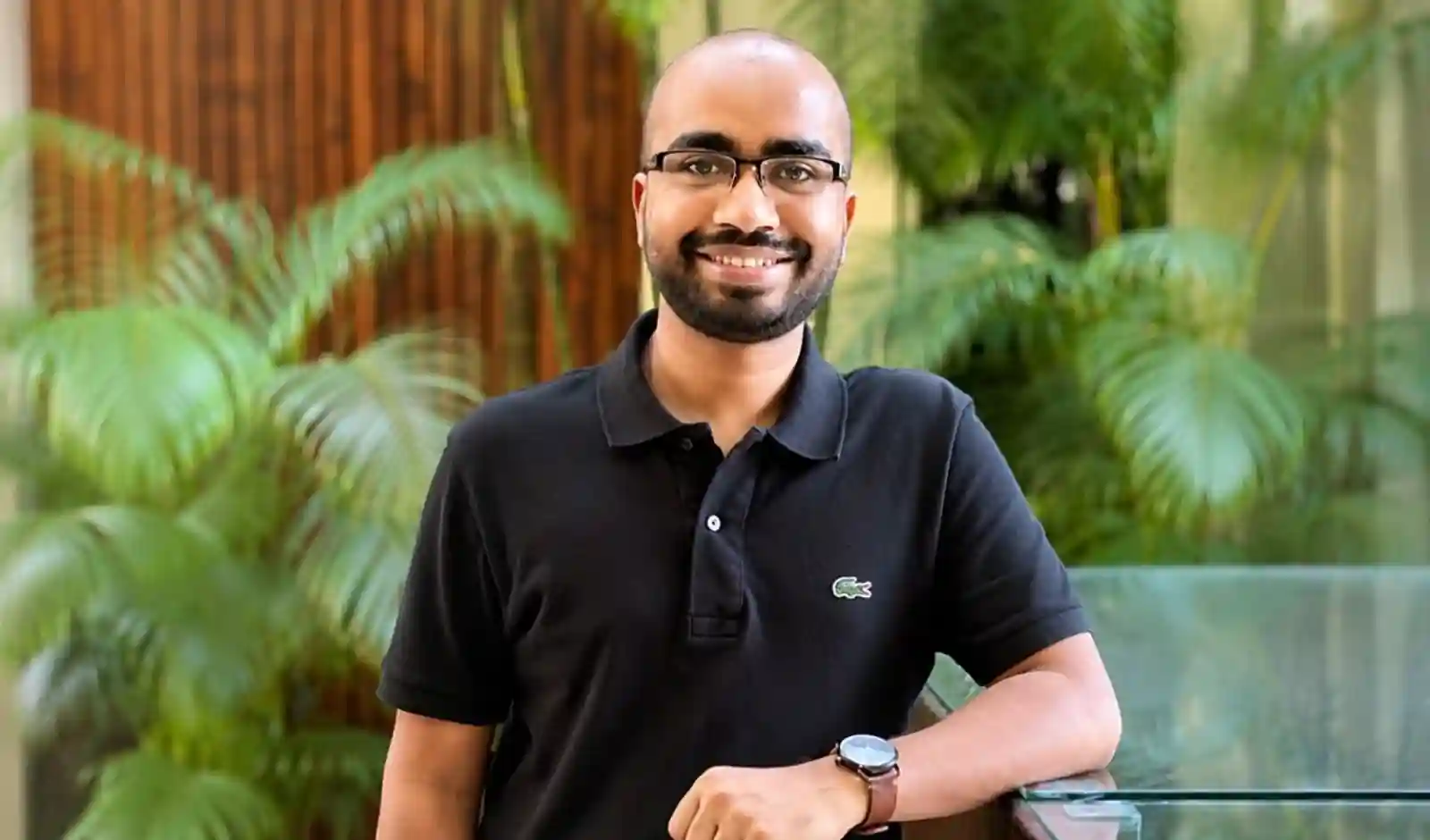
Vivek Prakash is the Co-founder & CEO of Codingal, a Y Combinator-backed (W21) platform teaching coding and AI to K-12 students across 135+ countries with 150M+ minutes of live instruction delivered. He holds B.Tech and M.Tech degrees in Computer Science from IIT Roorkee.
(Author: Vivek Prakash, Co-founder & CEO at Codingal, Views are personal)


