


 87
/ 4
Min Read
87
/ 4
Min Read


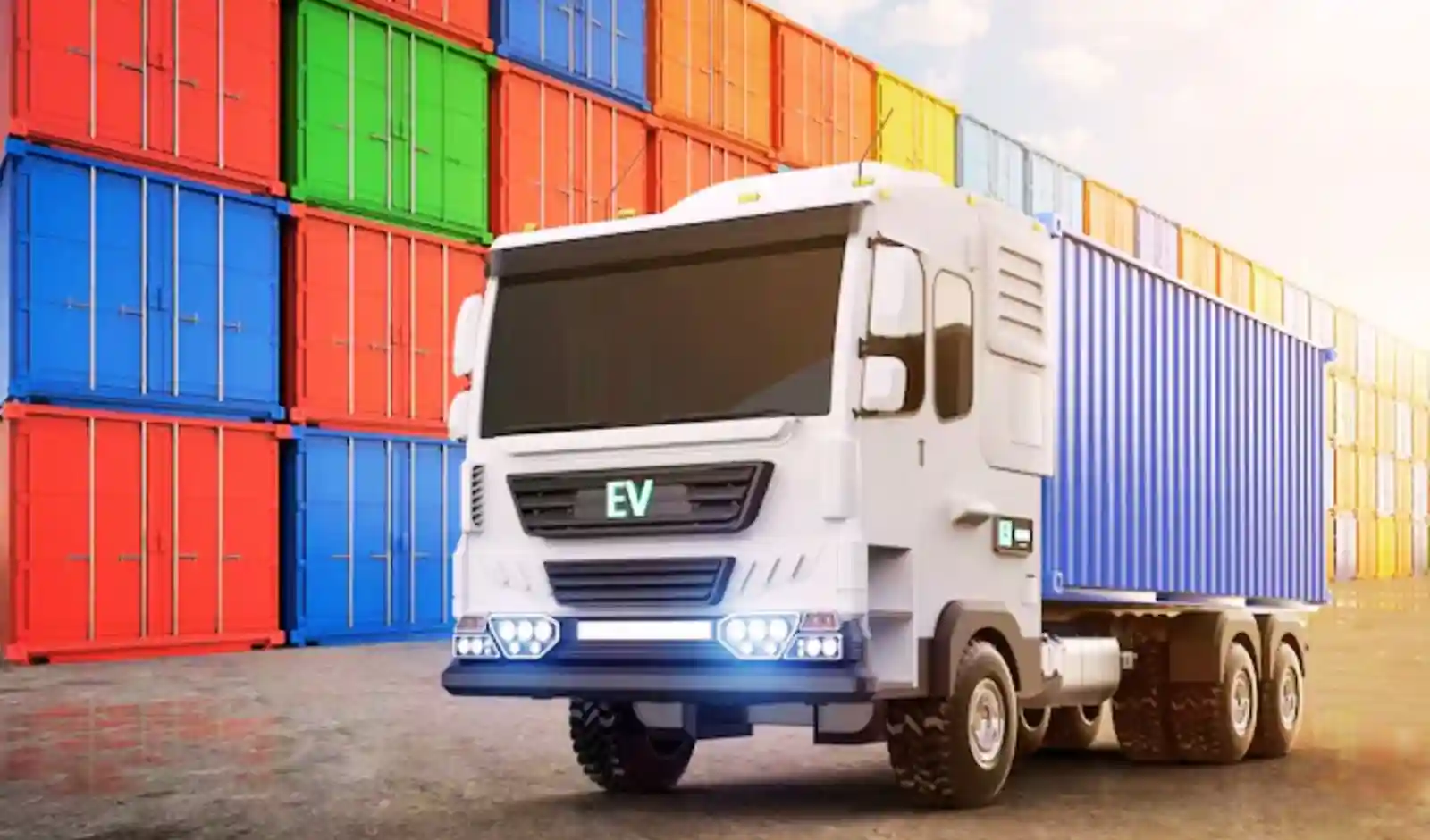
India’s logistics sector is entering a transformative decade where growth and environmental responsibility must advance in parallel. Rising manufacturing, consumption, and export activities are driving a significant increase in freight volumes, necessitating logistics networks that are more efficient and future ready. The combined market across road, rail, air, and coastal logistics is estimated at ₹10–11 trillion in FY25 (Source: CRISIL Intelligence). By FY30, this is projected to grow to ₹15–17 trillion, driven by structural reforms in logistics, rapid technological advancements, government initiatives, and substantial infrastructure development. India’s transport ecosystem is shaped by long-haul freight movements, variable infrastructure quality, and fragmented ownership. Only about 10% of operators manage fleets larger than 25 trucks, while the vast majority are single-truck owners who remain dependent on intermediaries for load procurement and execution.
With a significant share of logistics operations attributed to road transport, the pressure to reduce emissions is steadily increasing. Promoting e-mobility is a promising step forward. However, electrifying the entire fleet is not an easy exercise. While charging infrastructure is gradually expanding in major urban centres, it is still underdeveloped across Tier 2 and Tier 3 cities, as well as rural regions. At the same time, battery performance in heavy-duty commercial vehicles continues to face challenges related to charging speed and operational reliability, which collectively impact adoption decisions. Despite these hurdles, the transition is gaining early momentum. In metropolitan areas, electric commercial vehicles operating on short-haul routes have started to demonstrate efficiency across selected routes.
Several logistics players are actively embracing this shift. CJ Darcl, with access to a partner fleet of more than 9,55,000 vehicles across India, has adopted a phased transformation model. The company is currently piloting electric vehicles on intra-city routes and analysing operational data related to utilisation patterns, charging patterns, and time-sensitive performance. These insights are helping shape a scalable expansion plan. For long-distance operations, the organization is in touch with various OEMs to explore alternate fuel vehicles including LNG-powered vehicles. Furthermore, as part of its broader ESG strategy, the company is transitioning from BS-IV to BS-VI compliant vehicles to further minimise environmental impact.
Technology is strengthening this transition. Modern telematics enable real-time monitoring of routing, fuel levels, idle time and driving patterns. Artificial intelligence–driven predictive maintenance reduces downtime while strengthening operational control. Within CJ Darcl’s owned fleet, advanced safety solutions such as Advanced Driver Assistance Systems (ADAS) and Driver Fatigue Monitoring Systems (DFMS) are already deployed to enhance compliance and mitigate incident risks.
Digital integration lies at the core of CJ Darcl’s operating model. The company has developed an interim decarbonisation strategy focused on accurate data collection, transparent emission reporting, and targeted reduction initiatives. Our efforts include the calculation of Scope 1, 2 and 3 emissions through a Carbon Management System (Software as a Service), aligned with the Global Logistics Emissions Council framework of the Greenhouse Gas (GHG) Protocol. This equips our customers to meet their sustainable objectives with greater confidence.
In warehousing and distribution, engineered workflows and automation inspired by CJ Logistics’ TES framework have enhanced throughput while reducing resource inefficiencies. These systems also support modal optimisation enabling the shift of suitable cargo to rail and coastal shipping routes, both lower-emission options that are likely to scale steadily throughout the decade.
However, the broader ecosystem still requires sustained support. Commercial EV financing continues to be a challenge, particularly for small operators who form the backbone of the logistics industry. At the same time, encouraging signs of progress are emerging including prototypes of heavy-duty electric trucks, the rollout of National Highways for Electric Vehicles (NHEV), new collaborations with energy providers, and lenders evaluating EV-linked credit models. Together, these developments signal meaningful advancement in the right direction.
For customers, this transition brings new expectations. Shipment-level emissions visibility is increasingly becoming a key part of procurement discussions. Multimodal routing, enabled by specialised containers and scheduled rail movements, provides alternative solutions that reduce environmental impact while maintaining service reliability.
These shifts reflect a sector preparing for long-term resilience. As India’s freight demand continues to rise, the question is how the sector will expand through incremental emission reductions driven by technology, or through large-scale adoption of clean energy as the ecosystem evolves.
The transition to e-mobility will be gradual, shaped by infrastructure, shifting cost dynamics, and coordinated investments. Yet the foundations are already taking shape including digital controls, multimodal expansion, structured pilots of emerging technologies, and targeted electrification of viable segments. Companies operating at a national scale, such as CJ Darcl, are well-positioned to translate these operational learnings into long-term strategies that support both growth and environmental commitments.
India’s logistics industry has historically adapted to evolving market demands. The coming decade will test its ability to align with new expectations, where efficiency and environmental responsibility advance together. The direction is to build a freight ecosystem that supports sustained economic expansion while continually reducing its environmental footprint.
(Mr.Nikhil Agarwal, President, CJ Darcl logistics Limited Views expressed are personal)


