


 36
/
6
Min Read
36
/
6
Min Read


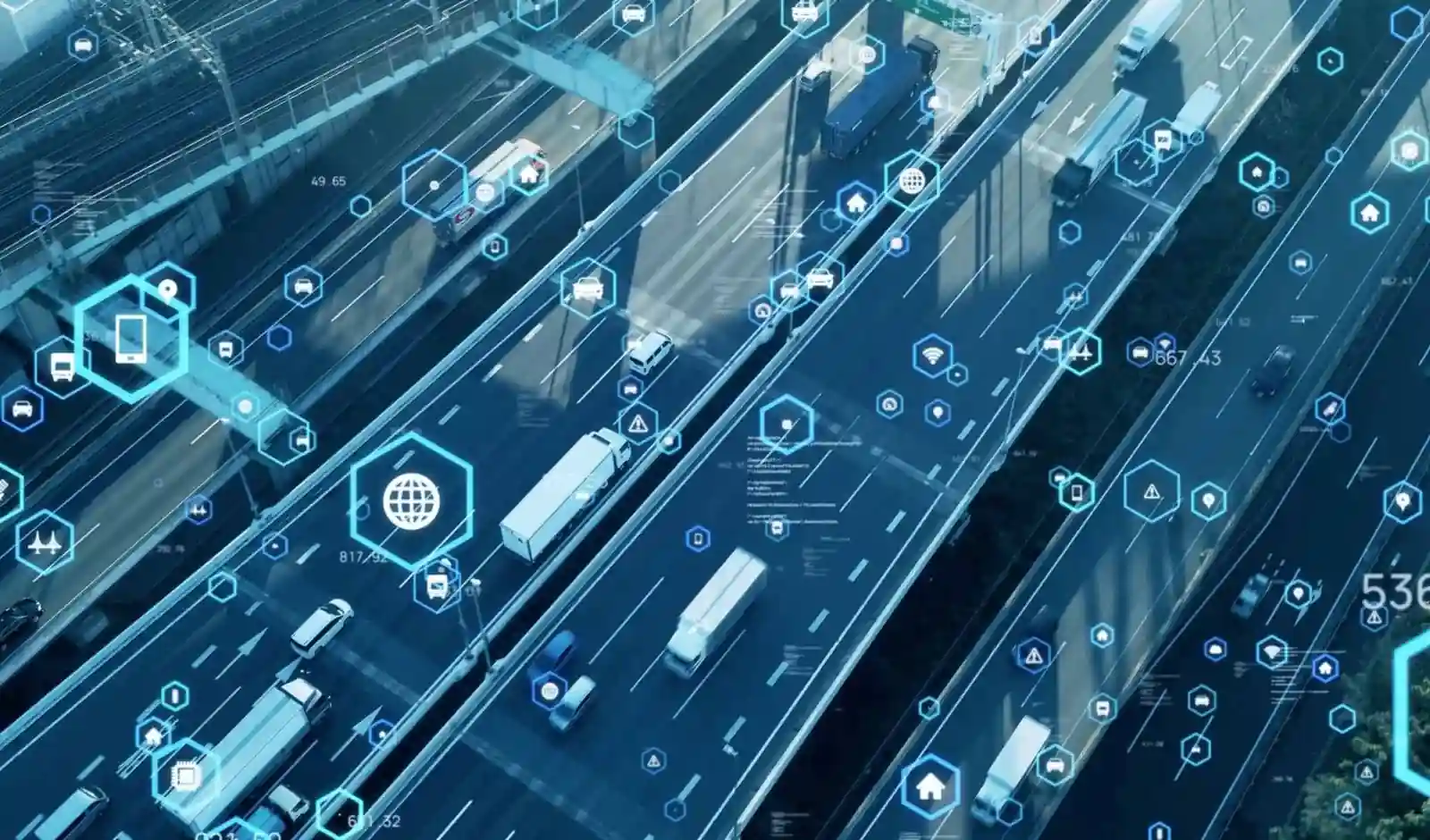
Imagine knowing where your car is, while also having the peace of mind that your child has reached school safely or that your pet is out for a walk, all through a single app. What once seemed like a future concept is now becoming a reality, powered by technology that combines GPS, IoT sensors, and data analytics. Traditionally used for vehicle tracking and asset protection, telematics is now making everyday life easier and safer.
Rapid technological advancements are driving today’s telematics and asset tracking trends. With advanced analytics and AI capabilities, telematics solutions are becoming more agile and accurate. Recent research predicts that the automotive telematics market value could reach $750 billion by 2030.
The role of telematics was once clearly limited to transport, from fleet management and route optimisation to monitoring fuel consumption and analysing driver behaviour. However, telematics is slowly undergoing a transformation. Technology, initially designed for machine tracking, is now being adapted for everyday life.
Wearable GPS trackers, smart ID cards with SOS buttons and real-time alerts which allow families to monitor their loved ones and pets remotely. Real-time monitoring turns telematics into a personal safety tool and not just a business solution.
Tracking platforms are using these advanced capabilities to integrate multiple tracking functions. Their solutions allow users to monitor vehicles, family members and pets from a single interface, showing how telematics can bridge enterprise-grade technology and everyday personal applications. Telematics provides real-time insights into vehicle location, driver behaviour, and engine diagnostics, helping reduce travel time and fuel consumption while promoting safer driving practices.
Beyond safety and convenience, telematics is enabling predictive protection. Alerts can notify parents if children leave safe zones or if pets get away beyond familiar areas. Such solutions are gaining popularity in the Indian market due to factors like urban density increase, longer transportation time, and the development of gig and last-mile labour forces. Affordable IoT devices and widespread smartphone adoption are making telematics more accessible, shifting it from being limited to enterprises to coming into everyday life.
Responsible design is critical as telematics is now becoming the tool to track people. The adoption of telematics-based solutions will have to rely heavily on the factors of privacy, data security, and user consent. In the future, telematics will not only exist but also integrate with smartphones, wearables, and other interconnected devices. At first, the systems were solely concerned with the safety of the vehicle, but now they are getting converted into the ways through which individuals can handle safety and freedom of movement in their daily life.
In fast-growing markets such as India and with growing urbanisation, these trends are becoming more visible. Density in urban areas, longer commute times and the increasing growth of last-mile delivery and gig-based employment are increasing demand for the real-time visibility and safety solutions. At the same time, adoption of smartphones and declining hardware costs are lowering entry barriers.
From a business perspective, this shift opens up significant opportunities. Companies operating in telematics and asset tracking are seeing strong momentum, including 100% year-on-year growth in some segments, driven by diversified use cases beyond fleet management. Revenues touching ₹50 crore in the current financial year signal not just adoption, but growing trust in telematics-driven platforms. With the global telematics market estimated at around USD 200 billion, there is tremendous potential for further expansion. Importantly, growth is no longer limited to domestic markets. Global expansion with Southeast Asia, the Middle East, and Africa is emerging as a key strategy, as these regions share similar urban challenges, mobility patterns, and rising digital adoption.
However, as telematics expands to monitor people and pets, it brings a few challenges that go beyond traditional device tracking. Privacy, consent, and data protection have become critical concerns, while technological threats such as device tampering, data breaches, GPS spoofing, and system outages can undermine reliability. As platforms scale, ensuring uptime, accuracy, and secure data transmission is non-negotiable. Platforms must comply with laws on personal data protection, user consent, and ethical AI usage. Implementing privacy-by-design principles, secure cloud infrastructure, and transparent data policies will be essential to gain consumer trust while ensuring scalable adoption.
For the business point of view, the opportunity exists through the balance. Companies that succeed will be those that combine scale with sensitivity. Building modular platforms that can serve both enterprises and consumers, embedding privacy-by-design principles, and leveraging AI for insights rather than surveillance will be key differentiators. Strategic alliances with the telecom, hardware, and application ecosystem providers can facilitate the adoption process further while sharing the cost burden.
Moving forward, the convergence of telematics with smart city infrastructure will be a major factor in the support of this technology, adoption. The combination of traffic systems, emergency services, public transport, and urban planning can quicken the response time and provide a safer environment for the community. Artificial intelligence will be more involved in risk prediction, mobility pattern optimization and implementation of automated decision-making. With the intelligence of the cities, telematics will be the base that binds together vehicles, people and infrastructure to form a single digital ecosystem.
The integration of AI, IoT, and smart city systems will define the next stage of telematics evolution. Predictive analytics can identify traffic bottlenecks, unsafe zones, and potential emergencies in real-time, while AI-driven algorithms can optimise routes for delivery and commute. Coupled with wearable devices and smart city sensors, telematics can transform urban living, offering citizens safer mobility, improved public services, and enhanced connectivity between people, vehicles, and infrastructure.
A tracking device for vehicles has evolved steadily into a comprehensive system that supports safety, mobility, and real-time monitoring, significantly enhancing the freedom of movement in daily life. The shift in tracking from machines to humans requiring only support points highlights both a technological and a mental evolution, reflecting changing priorities in safety and convenience. In this evolving landscape, telematics is no longer just about tracking movement; it is about enabling safer decisions, smarter, more resilient cities, and a highly connected, efficient, and responsive way of living, working, commuting, and interacting seamlessly with urban environments.
Mr. Rahul Mehra, Co-Founder,Roadcast (Views expressed are personal)


