


 69
/
3
Min Read
69
/
3
Min Read


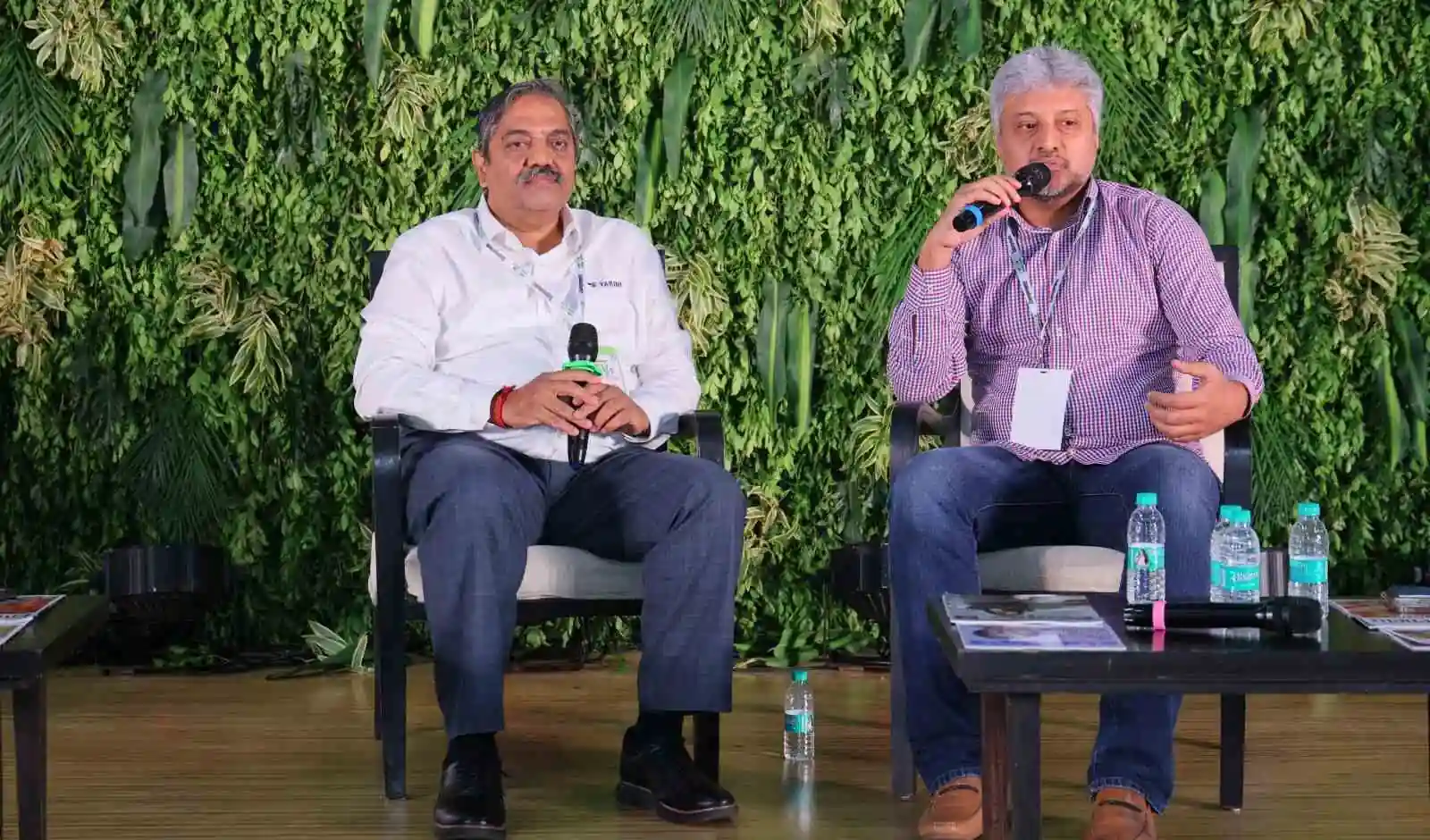
At the Entrepreneur India EV Expo & Conference 2026, this insightful panel discussion explored the evolving landscape of EV financing and the critical role of financial and insurance ecosystems in accelerating electric mobility. Moderated by Bhojrajan N., Chief Visionary & Catalyst, Tarini Insurance, the session featured Aditya Singh, Co-Founder & CEO, TapFin, who shared valuable perspectives on data-driven lending, battery financing, risk assessment, insurance innovation, and collaboration across the EV value chain. The discussion highlighted how integrated financing solutions and strategic partnerships can help build a resilient, scalable, and sustainable electric mobility ecosystem in India.
Why are traditional lenders still hesitant to finance the EV ecosystem?
Aditya Singh: The hesitation comes from the fact that the EV industry is still maturing. Lenders look for proven business models, predictable cash flows, established technologies, and reliable resale markets. Unlike the conventional automotive industry, the EV ecosystem is still developing in these areas. However, we are seeing rapid progress, and data is becoming the key enabler for better financing decisions.
How is TapFin helping overcome these financing challenges?
Aditya Singh:We use telemetry and financial data to help lenders better understand both the borrower and the vehicle. Instead of evaluating only creditworthiness, lenders also need visibility into the health and performance of the EV asset itself. By contextualizing this data, we help financial institutions make more informed underwriting decisions and deploy capital with greater confidence.
Data sharing remains a major concern. How can the industry address this?
Aditya Singh: Collaboration is essential. OEMs, fleet operators, lenders, and insurers all hold valuable data, but much of it remains siloed. The industry needs secure data-sharing frameworks that respect privacy while enabling better risk assessment. With regulations like the Digital Personal Data Protection (DPDP) Act, trust and consent will become critical in creating a stronger financing ecosystem.
What role can insurance play in making EVs more financeable?
Bhojrajan N : Insurance has a much bigger role than simply providing vehicle cover. Products such as extended warranties and battery protection can significantly reduce lender risk and improve asset confidence. The challenge is that insurers require access to reliable operational data to design effective products. Without that data, innovation in insurance remains limited.
Why is battery protection becoming increasingly important?
Bhojrajan N: Batteries account for nearly half the value of an EV, yet many owners are unaware that battery theft or damage may not be covered under standard insurance policies. Specialized battery protection covers can address risks such as theft, thermal runaway, water ingress, and electrical faults. Greater awareness of these products will strengthen confidence among both fleet operators and financiers.
What is the biggest takeaway for the EV ecosystem?
Aditya Singh:The future of EV financing depends on collaboration. OEMs, lenders, insurers, and technology providers need to work together, share relevant data responsibly, and develop products that reduce risk across the ecosystem. As the industry matures, better data, stronger insurance solutions, and innovative financing models will accelerate EV adoption across India.
Conclusion
The discussion underscored that the future of India's electric mobility ecosystem depends on a strong partnership between financiers, insurers, OEMs, technology providers, and policymakers. Data transparency, innovative financing models, robust insurance solutions, and collaborative risk-sharing mechanisms will be critical to making EV assets more bankable and insurable. As the industry continues to mature, these collective efforts will not only improve access to capital but also strengthen investor confidence, accelerate EV adoption, and support India's vision of building a sustainable and globally competitive electric mobility ecosystem.


