


 81
/
4
Min Read
81
/
4
Min Read


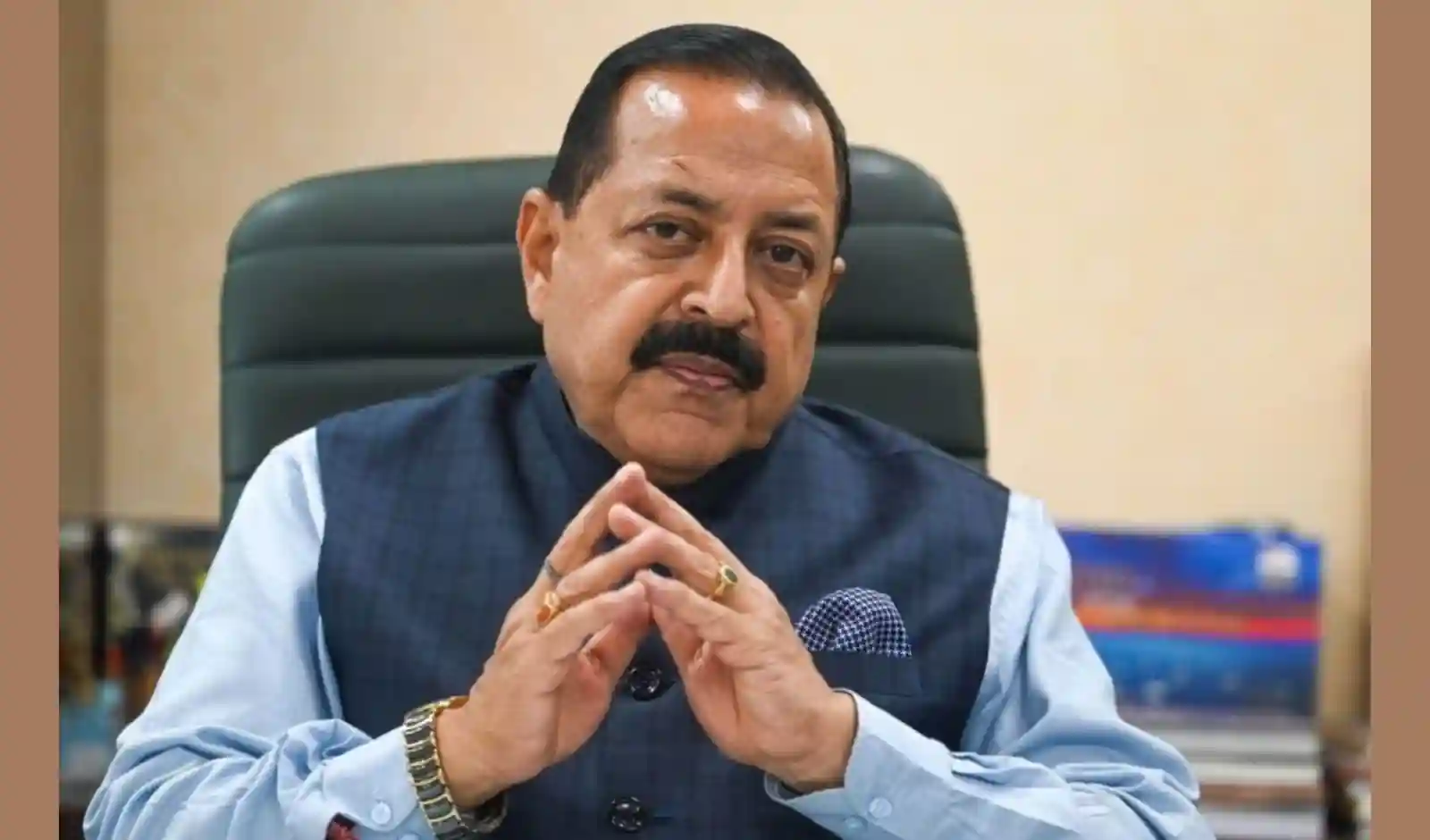
He stated that the efforts made by the Department of Science and Technology (DST) over the past decade have given a new direction to research, startups, industry and national development.
Union Minister of Science and Technology, Earth Sciences (Independent Charge) and Minister of State for Atomic Energy and Space, Dr Jitendra Singh, said that science should no longer remain limited to laboratories, but must move from “lab to market” and from “idea to impact.” He added that this would ensure that research and innovation directly benefit industry, the economy and society.
Dr Jitendra Singh was addressing the 56th Foundation Day celebration of the Department of Science and Technology held at the Indian National Science Academy (INSA) auditorium in New Delhi. The event was attended by Principal Scientific Adviser to the Government of India Prof. Ajay Kumar Sood, DST Secretary Prof. Abhay Karandikar, senior scientists, academicians and representatives from research institutions.
He said that India’s science and technology ecosystem has witnessed unprecedented transformation over the last 10 years. According to him, opening sectors such as space and atomic energy to private participation has created major opportunities for startups, research projects and technology companies.
Private Sector Participation Creating New Opportunities
Dr Jitendra Singh said that the participation of private companies in science and technology is increasing rapidly, which is accelerating innovation and research. He noted that after opening the space sector to private companies, India has seen rapid growth in space-tech startups.
He added that Indian startups are now achieving new milestones in emerging fields such as satellite technology, data analytics, artificial intelligence and quantum technology. According to him, these advancements will not only contribute to economic growth but also strengthen national security and technological self-reliance.
Emphasis on Collaboration Between Education, Industry and Government
The Union Minister said that no country can achieve major scientific progress solely through government institutions. He stressed the need for strong collaboration between the government, academia and industry.
He urged universities and research institutions to work closely with industries so that students and young scientists can get opportunities to work on real-world challenges. He said this would enhance students’ research capabilities, innovation skills and employment opportunities.
Startup and Research Ecosystem Receiving Strong Support
Dr Jitendra Singh said that India’s startup ecosystem has strengthened significantly over the past decade. He mentioned that while the country earlier had only a few hundred startups, the number has now crossed 2 lakh.
He described this as evidence of India’s rapidly growing innovation ecosystem. He added that India is now developing indigenous technologies in sectors such as pharmaceuticals, biotechnology, space-tech and digital technology.
Need to Bring Scientific Achievements Closer to Students
Dr Jitendra Singh said that scientific institutions should actively promote and share their achievements so that students and young people can be inspired by new technologies and research. He emphasized that awareness about opportunities in science and technology must reach students across the country.
He also said that young scientists and innovators should be given opportunities through a transparent and merit-based system, which would help strengthen the country’s research culture and scientific thinking.
New Research Initiatives to Boost Science
During the event, Principal Scientific Adviser Prof. Ajay Kumar Sood stressed the need for better coordination between research and technology development. DST Secretary Prof. Abhay Karandikar highlighted major initiatives such as the National Research Foundation, RDI Fund and National Quantum Mission.
He said that these initiatives aim to strengthen India’s science and innovation ecosystem while providing better resources for students, researchers and startups to advance in emerging technology sectors.
Science and Technology Will Shape India’s Future
Dr Jitendra Singh expressed confidence that with continuous reforms, strong institutional frameworks and active participation from all stakeholders, India will emerge as a global leader in science and technology in the coming years.
He further said that science, research and technology-based education will play the most important role in transforming India into a self-reliant and developed nation.


