


 77
/
2
Min Read
77
/
2
Min Read


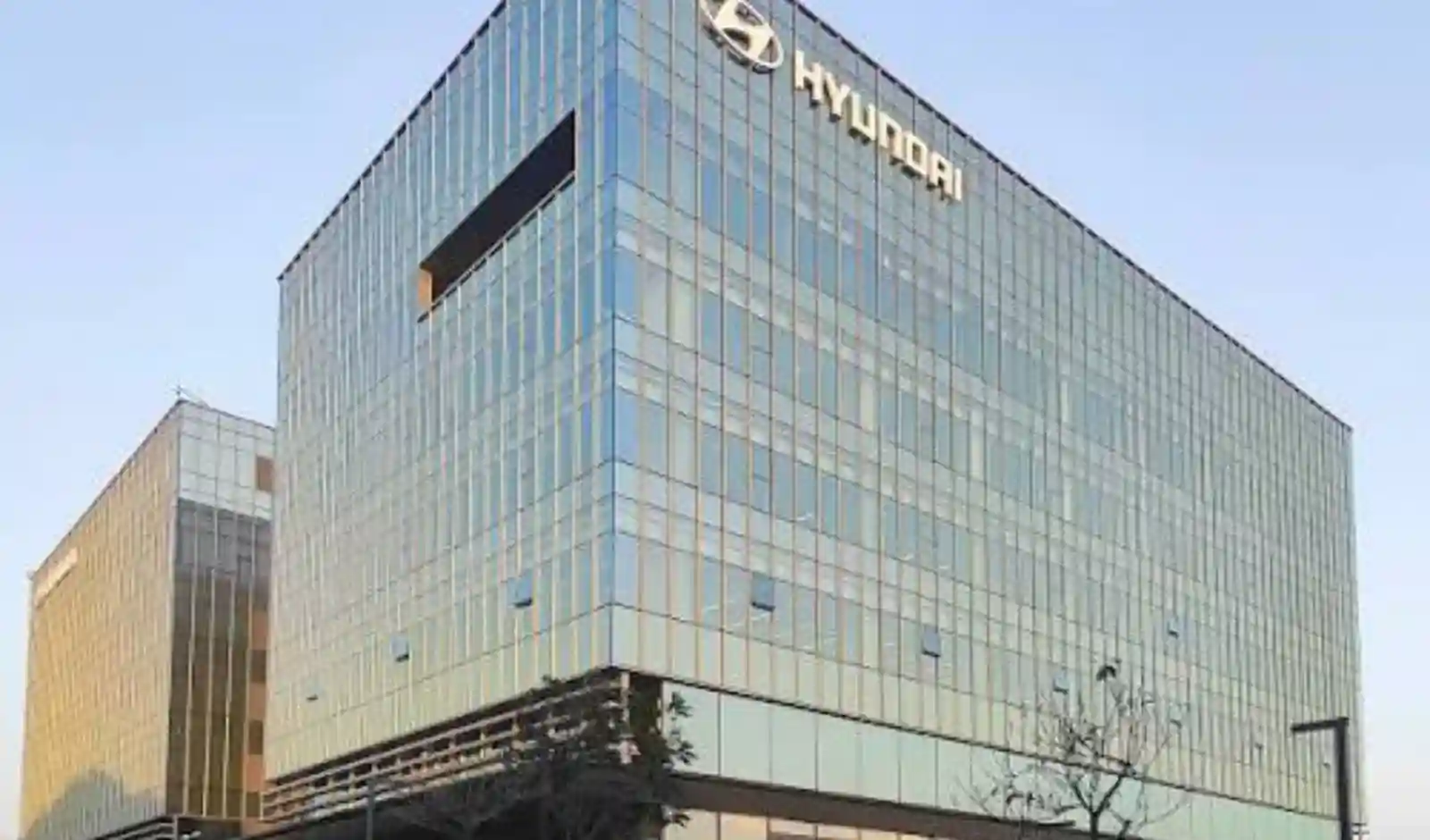
Hyundai Motor Company is planning to develop more affordable electric vehicles for price-sensitive markets such as India as part of its global strategy to reduce EV material costs by around 30% by 2030. The company will focus on regionally optimised EV models, cost-effective battery chemistries and next-generation electric powertrain technologies to improve affordability.
Speaking at Hyundai Motor Company 2026 CEO Investor Day, Scott Lee, Executive Vice President and Head of Finance, said the company will strengthen its regionally optimised EV line-up not only in advanced markets but also in emerging markets such as India. The strategy is aimed at building economies of scale while tailoring products to local customer requirements.
For India, one of the key products under this strategy will be a new compact electric SUV. The model is being developed and localised specifically for the Indian market and is part of Hyundai's global product programme planned for the next eight months. Currently, Hyundai sells the Creta Electric and premium Ioniq 5 in India. The upcoming compact SUV is expected to strengthen the company's presence in the higher-volume electric passenger vehicle segment.
Battery technology will be a major part of Hyundai's cost-reduction strategy. The company plans to use high-nickel batteries for performance-oriented EVs, mid-nickel batteries for value-focused models and LFP batteries for entry-level electric vehicles and price-sensitive markets.
According to Hyundai, its mid-nickel battery could cost around 30% less than the high-nickel batteries currently used in models such as the Ioniq 5. At the same time, mid-nickel chemistry is expected to offer higher energy density than LFP, allowing more energy to be stored in a similarly sized battery pack.
Hyundai plans to begin integrating mid-nickel batteries into production vehicles in the first half of 2027 and expand their use across volume models from 2028.
Beyond batteries, Hyundai is also targeting cost reductions through next-generation motors, inverters and power electronics systems. The company is working to improve the serviceability of high-voltage battery systems and increase commonality across vehicle development, design and manufacturing.
For India, the strategy indicates a greater focus on EVs designed around local customer requirements, including suitable battery capacities, features and technologies. The upcoming compact electric SUV could become an important part of Hyundai's efforts to make EVs more accessible and strengthen its position in India's growing mass-market electric vehicle segment.


