


 110
/
2
Min Read
110
/
2
Min Read


India’s electric trucking ecosystem is gradually gaining traction, driven by awareness campaigns, demonstration of practical benefits, and improved infrastructure planning. According to NITI Aayog’s 2025 report Unlocking a $200 Billion Opportunity, India leads in electric three-wheelers and has made notable strides in electric two-wheelers and buses. However, electric trucks are still in the early adoption stage, with clear potential for growth as awareness, infrastructure, and use-case clarity improve.
Of the 8,34,578 trucks sold in India in 2024, only 6,220 were electric, with nearly 95% of them under 3.5 tonnes, mostly deployed on short-haul routes. A smaller fraction of 280 vehicles were in the above-3.5-tonne category, primarily used for long-haul freight.
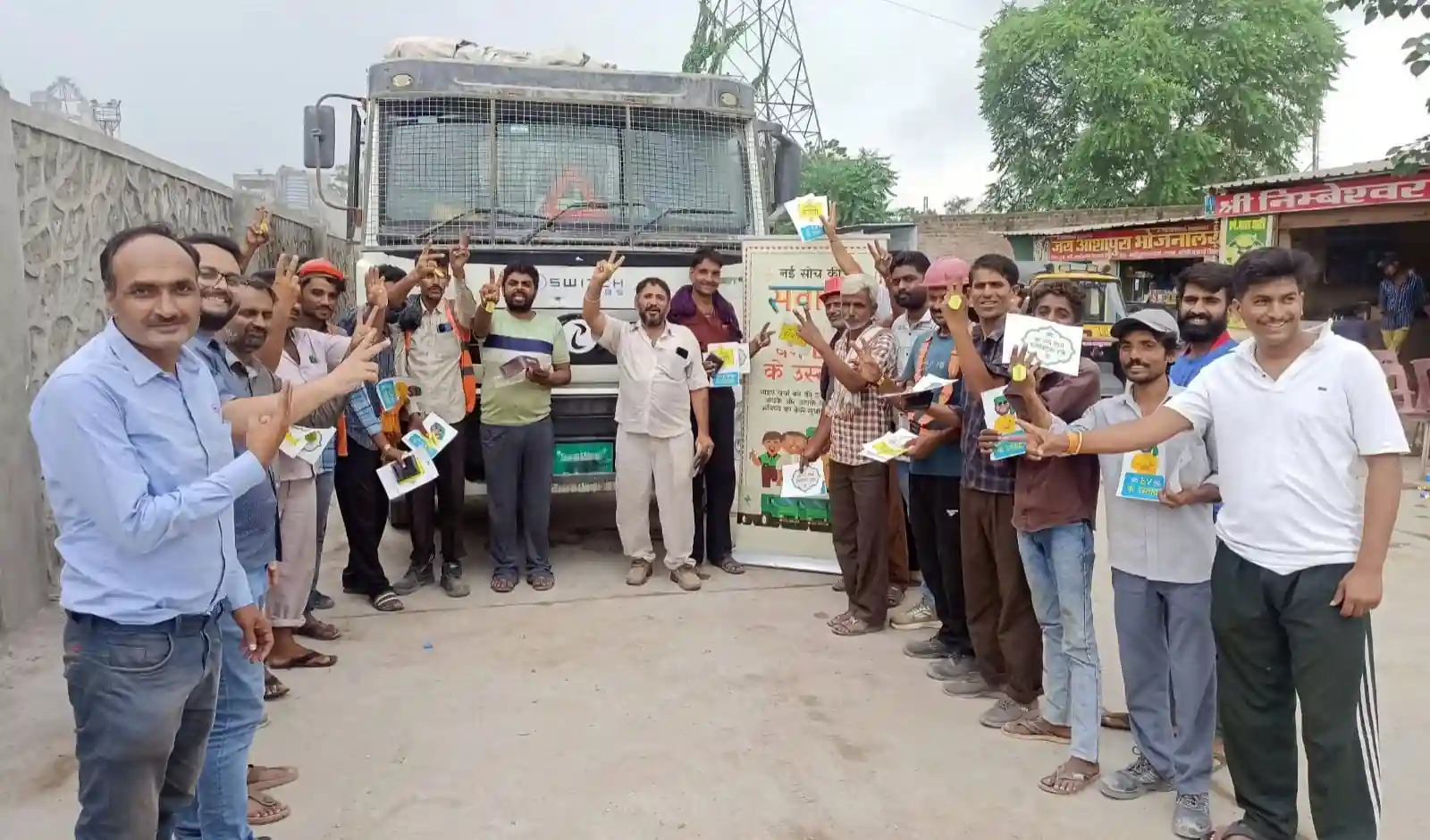
Nayi Soch Ki Sawari has been pivotal in bridging knowledge gaps through over 350 offline engagement events across 21 states, reaching 7,000+ individuals including drivers, mechanics, and fleet operators. By breaking down technical concepts into relatable, practical conversations, NSKS has replaced hesitation with curiosity, helping participants understand how electric trucks can integrate into familiar routes, contracts, and daily work patterns.
Drivers like Veer Singh from Rajasthan have shared first-hand experiences of smoother, quieter, and environmentally conscious drives. “Fixed routes and long-term contracts make electric trucks viable, but many drivers are still unaware of these benefits,” he notes, highlighting the importance of awareness campaigns.
Perception surveys conducted by NSKS reveal strong interest: 95% of drivers are willing to try electric trucks, and confidence in e-truck technology has risen from 48% to 70% after seeing vehicles in person. Kritica Mahajan, Project Lead for NSKS, emphasizes that while apprehensions around charging access, reliability, and livelihood impacts remain, informed discussions are fostering balanced, solution-oriented thinking among trucking communities.
As awareness grows, India’s trucking ecosystem is beginning to recognize the potential of electric trucks for greater operational efficiency, reduced environmental impact, and long-term stability. The conversation is now shifting from doubts about performance to calls for supporting infrastructure, signaling a transformative phase in India’s freight mobility sector.


