


 89
/
2
Min Read
89
/
2
Min Read



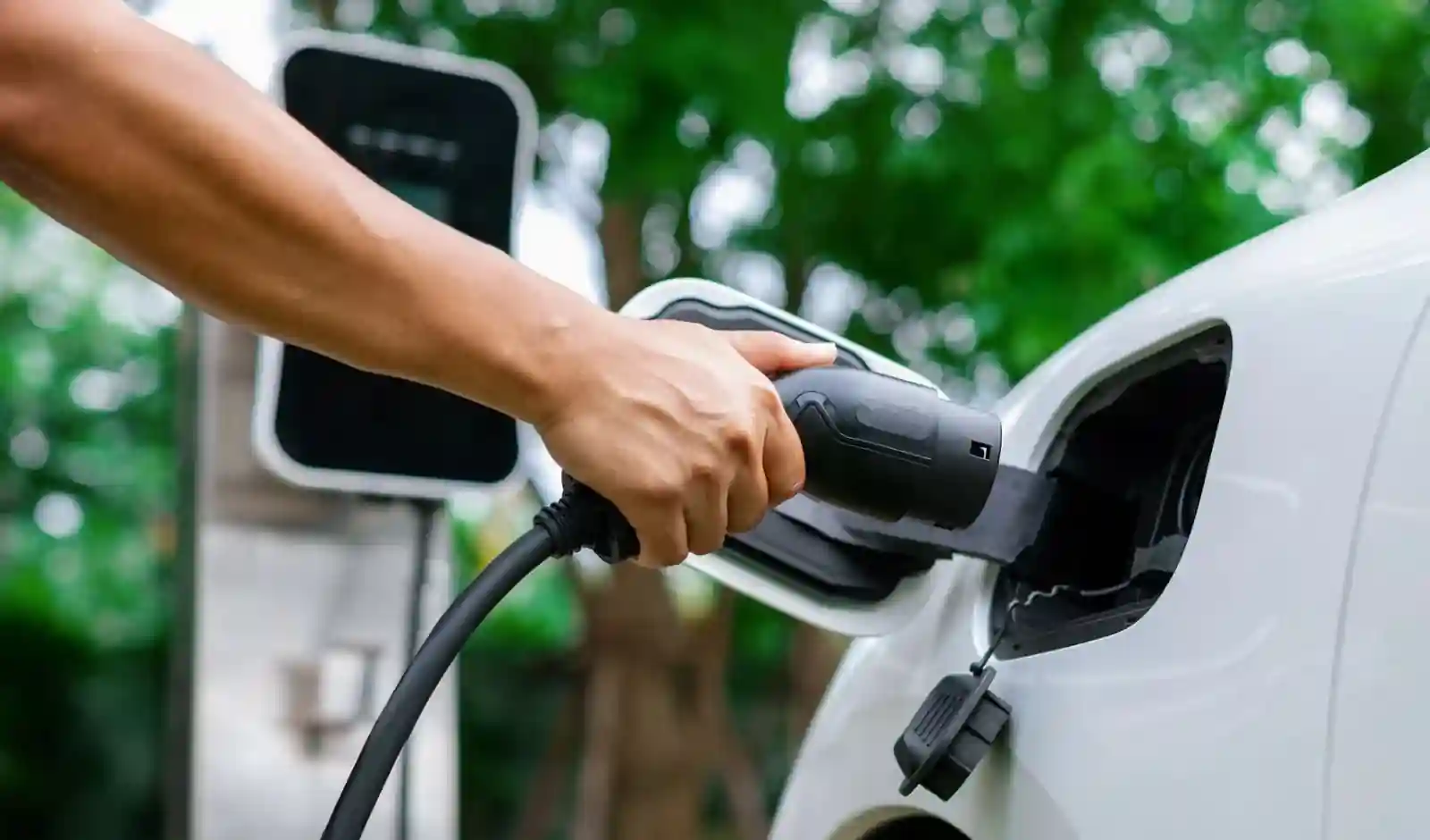
India needs to make its electric vehicle (EV) charging infrastructure more reliable, affordable and accessible to accelerate EV adoption, according to a report by the Institute for Energy Economics and Financial Analysis (IEEFA).
According to the report, EV sales in India increased from around 50,000 units in 2016 to nearly 2.5 million units in FY2025-26. During the same period, the number of public EV charging stations also increased from 5,151 in 2022 to 52,718 by July 2026.
However, EV penetration remains in the single or low double digits across most vehicle segments. According to IEEFA, this highlights that simply increasing the number of charging stations may not be enough to accelerate EV adoption. Practical challenges related to the charging experience also need to be addressed.
IEEFA’s briefing note, ‘Improving the EV Charging Experience in India: Beyond Charger Deployment,’ identifies low public charger reliability, interoperability issues between charging networks, high public charging costs, home-charging challenges and delays in grid connections as key barriers.
Charith Konda, Lead Energy Specialist at IEEFA and co-author of the report, said that the EV charging experience depends not only on the number of chargers but also on their availability and reliability. The report recommends linking government support for charging infrastructure to verified uptime and performance.
The report also recommends moving towards a unified payment system and introducing a ‘Right to Charge’ for residents with designated parking spaces. It has further suggested reducing GST on public EV charging from the current 18% to 5%, in line with the GST rate applicable to EV purchases.
IEEFA has also recommended concessional financing for grid-upgradation costs and a 5% GST on battery-swapping services. It has called for better coordination between transport departments and power utilities for grid-readiness planning.
The report also highlights Time-of-Use (ToU) tariffs as a way to improve EV charging. According to Dhruv Garg, Energy Finance Analyst at IEEFA and co-author of the report, ToU tariffs can shift EV charging demand away from evening peak hours towards off-peak periods and times when more renewable energy is available. This could improve clean energy utilisation and help reduce overall system costs.


