


 138
/
5
Min Read
138
/
5
Min Read


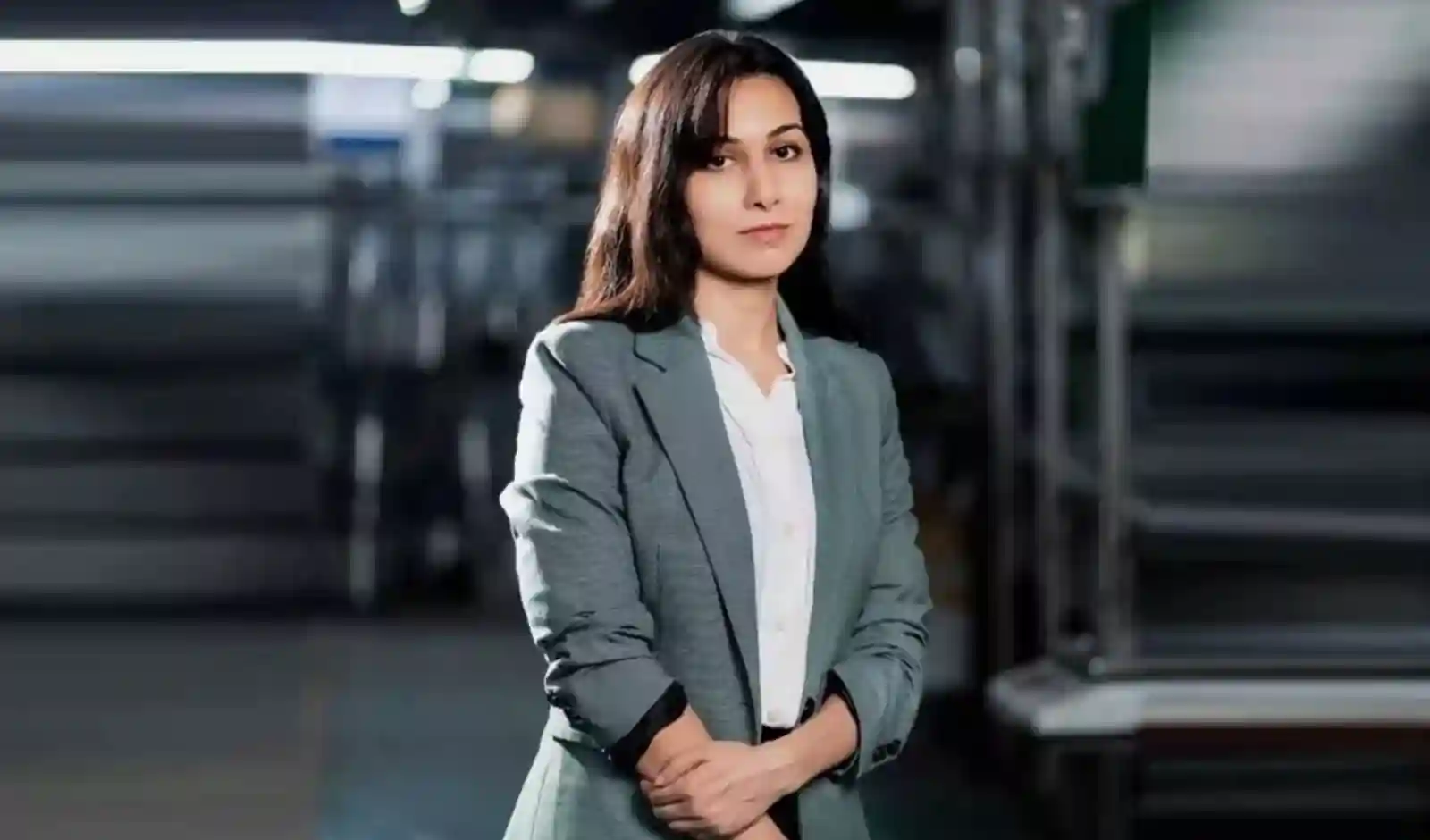
This approach helps unlock capital for this segment while aiming to generate strong returns.
My career journey over the past 17 years has involved building new businesses focused on women as the primary user base. In my previous venture, Greenway Grameen, which manufactures climate-friendly household products, the transition to women as the core user segment was gradual and came with a steep learning curve. However, with IndiaP2P, the focus on women as financial services users was a foundational thesis from the very beginning.
Driven by data suggesting that women business owners are better borrowers and represent one of India’s strongest asset classes we have developed a business model that enables retail investors to lend directly to women entrepreneurs. This approach helps unlock capital for this segment while aiming to generate strong returns.
Key Learnings from Building for Women Business Owners An Opportunity Hiding in Plain Sight
As a nation, we often fail to give women the credit they deserve. Yet, when we do, the returns are disproportionately high. While women’s participation in the formal economy remains low among the lowest compared to peer countries their economic potential is immense and largely untapped.
Most women entrepreneurs run small businesses outside the formal enterprise ecosystem. These are often referred to as nano enterprises. It is estimated that nearly 20% of MSMEs in India are run by women. MSMEs, in general, are the country’s largest employment generators, creating nearly 28 crore jobs. Many of these businesses have the potential to evolve into fully formal, large enterprises provided they receive adequate capital.
Access to capital remains a major challenge, but it also presents a significant opportunity. India’s credit gap is well known and within it exists a stark gender disparity. For every ₹100 deposited by men in banks, ₹58 is extended as credit. For women, this figure drops to just ₹27 despite the fact that women typically have higher CIBIL scores, indicating better repayment behavior.
Lenders who have recognized and addressed this gap have achieved significant success. Some of India’s largest NBFCs have built women-focused models, particularly in microfinance, delivering strong investor returns while promoting financial inclusion. Many new banking licenses have also been granted to institutions focusing on women. In fact, small-ticket lending to women now accounts for over 1% of India’s GDP, making it one of the most compelling opportunities in the financial sector.
Beyond the commercial case, the broader economic and social impact is equally significant. Increasing women’s participation in the formal economy is one of the most effective ways to accelerate GDP growth and improve per capita income with far-reaching social benefits.
Women-Led Businesses Have a Distinct Relationship with Credit
Women entrepreneurs tend to be more conservative when seeking credit. Their borrowing is usually tied to genuine needs such as working capital, household stability, inventory or education. Consumption-driven borrowing is less common and defaults are culturally discouraged, leading to stronger repayment behavior reflected in higher credit scores.
Today, approximately one-third of active credit bureau scoreholders are women. When analyzing repayment data across large borrower bases, this consistency becomes evident and challenges the assumption that MSMEs are inherently high-risk.
Risk Assessment Looks Very Different on the Ground
Traditional underwriting systems were largely designed around male borrowers, placing greater emphasis on formal income sources. Despite advancements, biases still persist ranging from requiring women to obtain a male family member’s no-objection certificate (NOC) to fintech systems assigning lower scores based on gender.
Inclusive, gender-smart risk assessment must eliminate these biases. Our experience shows that although women-led businesses may lack formal documentation, in-person visits to their workplaces often bridge these gaps effectively. Information gaps should not be mistaken for risk gaps when alternative data and sourcing strategies are used.
Field interactions also reveal where real risks lie such as demand volatility, seasonality, health-related disruptions and community dynamics.
Women Naturally Diversify Income Streams
Women entrepreneurs are natural multitaskers and often build multiple income streams. Our data indicates that the median number of income sources is close to three. This diversification must be considered in risk profiling, as it acts as a built-in stabilizer something often less prevalent in male-led enterprises.
This ability to diversify also strengthens their resilience during economic shocks.
Social Accountability Drives Higher Repayment
Women typically have strong ties to community groups, self-help groups (SHGs), and neighborhood networks. Their business reputation is often closely linked to their family’s reputation, increasing their motivation to repay loans on time.
This social structure has been effectively leveraged in microfinance through Joint Liability Group (JLG) models, helping grow the industry to an estimated $80 billion.
Small Capital Can Unlock Significant Returns
Relatively small loans ranging from ₹50,000 to ₹2 lakh can significantly improve business stability, enhance margins or enable product diversification, leading to increased income. From a lender’s perspective, the biggest constraint is not ambition, but access to capital.
Building for women forces precision in product design
Traditional borrower onboarding mechanisms are not designed with women in mind. They do not consider some of the environment caused constraints that selectively apply to women such as lack of safety linked to mobility, low smartphone ownership etc. To serve women, the service design has to overcome these and more. For example, in our case, we have agents to go to the borrower’s place of work to onboard, instead of requiring them to visit the nearest IndiaP2P branch first. The agent visit is consultative and also overcomes digital literacy barriers where present.
Ultimately, women’s financial behaviour teaches you that returns follow resilience
We’ve learnt that the best lending portfolios are built on resilience. And women led businesses embody that resilience every day.
(Author: Neha Juneja, Serial Entrepreneur & Co-Founder, IndiaP2P | Views are personal)


