


 23
/
2
Min Read
23
/
2
Min Read


Located 50 m from the shoreline, the property is positioned within close proximity to key cultural landmarks such as the Shore Temple and Arjuna’s Penance. The development reflects a broader industry shift towards experiential stays that combine location-driven storytelling with limited inventory formats.
Isai Karai has been designed as a low-density accommodation model with five rooms distributed across a three-bedroom main structure and a separate two-bedroom unit. The configuration allows for both individual room bookings and full property rentals, targeting families and small groups seeking privacy along with shared spaces. The offering aligns with the increasing preference for exclusive-use properties in leisure travel.
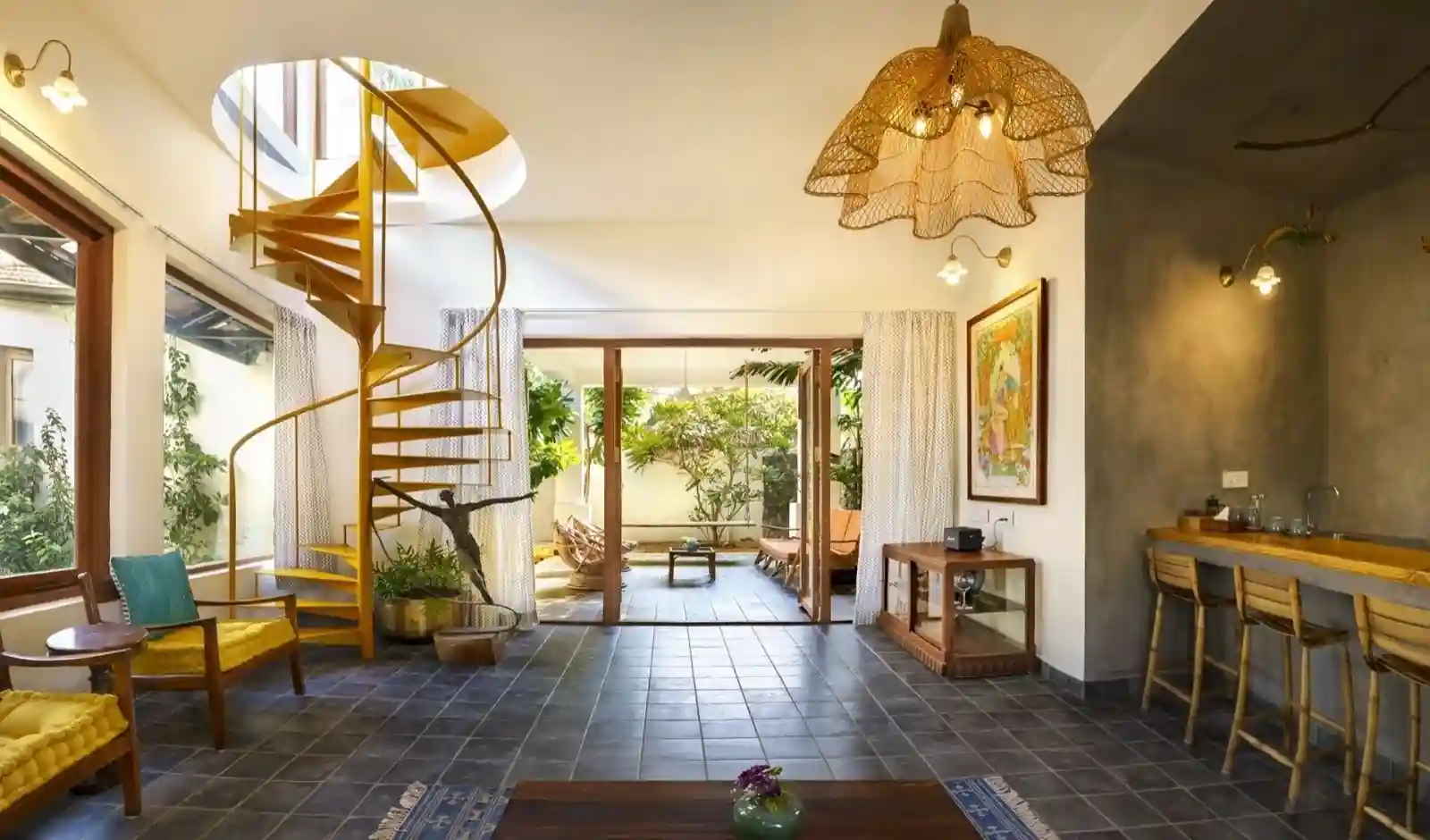
The design approach integrates local cultural elements and landscape-driven planning. Guest rooms are themed around regional flora, while architectural elements incorporate open layouts, natural light and garden-facing features. Outdoor areas include landscaped lawns and courtyards with fruit-bearing trees, supporting a relaxed, nature-linked stay experience.
The property offers a mix of regional and customised dining options, with a focus on South Indian coastal cuisine and seafood sourced locally. Additional features such as a poolside barbecue setup are positioned to enhance guest engagement and length of stay.
The interiors draw from Mahabalipuram’s established stone-carving heritage, incorporating locally sourced materials and artwork, reinforcing the destination-led positioning of the property.
Beyond the bungalow, Mahabalipuram continues to attract leisure demand due to its heritage and coastal appeal. Attractions such as the Mahabalipuram Lighthouse and the India Seashell Museum, along with established surf activity zones, contribute to its positioning as a short-haul destination.
The property is accessible from Chennai and Puducherry, making it suitable for weekend travel and extended leisure stays. The launch highlights CGH Earth Saha’s strategy to scale its presence in niche leisure segments through smaller, experience-focused assets in culturally significant locations in line with evolving consumer demand for personalised and location-centric hospitality offerings.
 This article was originally
published by the Restaurantindia.in. To read the full version,
visit here
This article was originally
published by the Restaurantindia.in. To read the full version,
visit here 


