


 81
/
5
Min Read
81
/
5
Min Read


But as we move through 2026, the consumer wants more. They want to know the entire story behind the product. In today’s market, consumer trust lies in how well that story backtracks to the product's origin. With technology, consumers have evolved too, amidst the inclination towards health, wellness and curiosity to know what they buy.
We are moving away from traditional shopping and entering an era of transparent and personalised approach where customer seeks access to detailed product information.
The Power of the Scan
The difference between a traditional 1D barcode and the next-generation 2D barcode, such as a QR code or Data Matrix, is massive. Think about your daily life. Most Indians already scan QR codes every day for various utilities using UPI payments. We have over 1 billion people in the country who are already habitual to scan every day. Now, that same habit is expanding from the payment counter to the products we buy.
A 1D barcode tells you what the product is while a 2D barcode tells you everything the product has been through. With a single scan, a consumer can check freshness, verify ingredients, trace the source and confirm expiry all in real time. The same code covers everything: be it safety, authenticity, nutrition or compliance.
World is moving towards 2D, so India too needs to gear up for this transition. Manufacturers must act now as clock is ticking. The shift to smarter supply chains demands immediate action to avoid falling behind.
For Indian businesses, 2026 is the year of action. This shift is especially critical for highstakes sectors like FMCG, Pharmaceuticals and Agriculture. Those who embrace 2D barcodes today will be the ones consumers trust tomorrow.
Why 2026 is the Year of Decision: Ambition 2027
The urgency of this shift is driven by a global movement known as Ambition 2027. By the end of 2027, the global retail industry has set a target to transition to 2D barcodes at all point-of-sale systems. This is not just a regulatory hurdle; it is a global shift in how commerce functions. For Indian exporters and domestic brands alike, 2026 is the window to ensure their digital infrastructure is compatible with the world. If your product cannot "speak" this new digital language, it becomes invisible to the modern supply chain.
Solving the 'Bad Data' Problem
For businesses, poor product data is a silent profit killer. We see this often in the rise of quick-commerce. When a consumer buys something on an app and receives a product that looks different from the digital photo, or lacks the promised features, they lose trust instantly.
Inaccurate data leads to high return rates and wasted inventory. In the current market, 'bad data' is a much bigger risk than "no data." Using universal, global data standards is the only way to fix this. It creates a "single version of truth." It ensures that a product made in a small town in India can be scanned and trusted in a supermarket in any part of the world, just as easily as in Delhi.
Personalized for 'Bharat'
We are moving toward the era of Digital Product Passports. This means every product will carry its own set of details. It is like product’s ID card that shows where it came from, what it contains, when it expires, how-to-use instructions etc.
Imagine a mother in a grocery store scanning a bag of flour. Through a single scan, she can instantly see exactly which farm the wheat came from and its specific protein content. This isn't just a marketing trick; it is a way to build a direct, honest relationship with the consumer.
In a diverse market like India, this "Intelligence-at-the-Source" allows brands to speak to consumers personally. It helps a brand stay relevant to a health-conscious Gen Z shopper and a safety-conscious parent at the same time. By giving the product a digital voice, brands can provide specific information that matters to the individual holding the package.
The Future Roadmap
For Indian entrepreneurs, the window of opportunity is open right now. Those who adopt 2D barcodes early will own the most valuable asset in modern business: Trust.
The goal for the next twelve months is simple and strategic:
Identify to Share: Move from just "identifying" a product for billing to "sharing" its data for transparency.
Infrastructure Ready: Ensure that your warehouse and store scanners are upgraded to read 2D barcodes.
Open Systems: Stop using proprietary, closed data systems that don't talk to each other. Start using a universal digital language that works across all platforms.
The storefront of the future is no longer just a physical shelf or a generic website. It is the digital screen that opens the moment a consumer scans your product. In coming times, the most successful businesses won’t just sell products; they will sell the truth behind them.
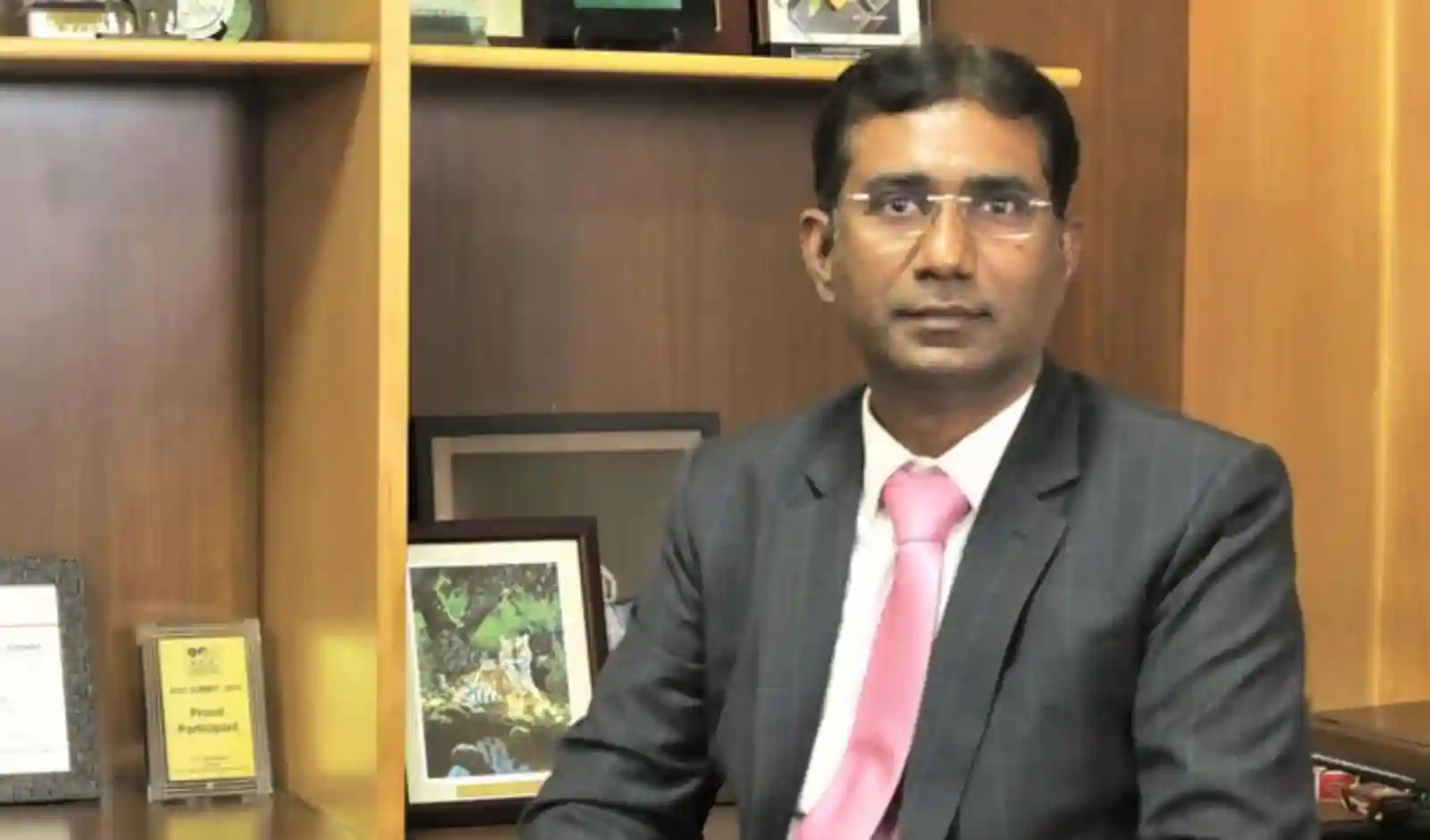
(Author : S. Swaminathan, CEO, GS1 India, Views are personal)


