


 176
/
2
Min Read
176
/
2
Min Read


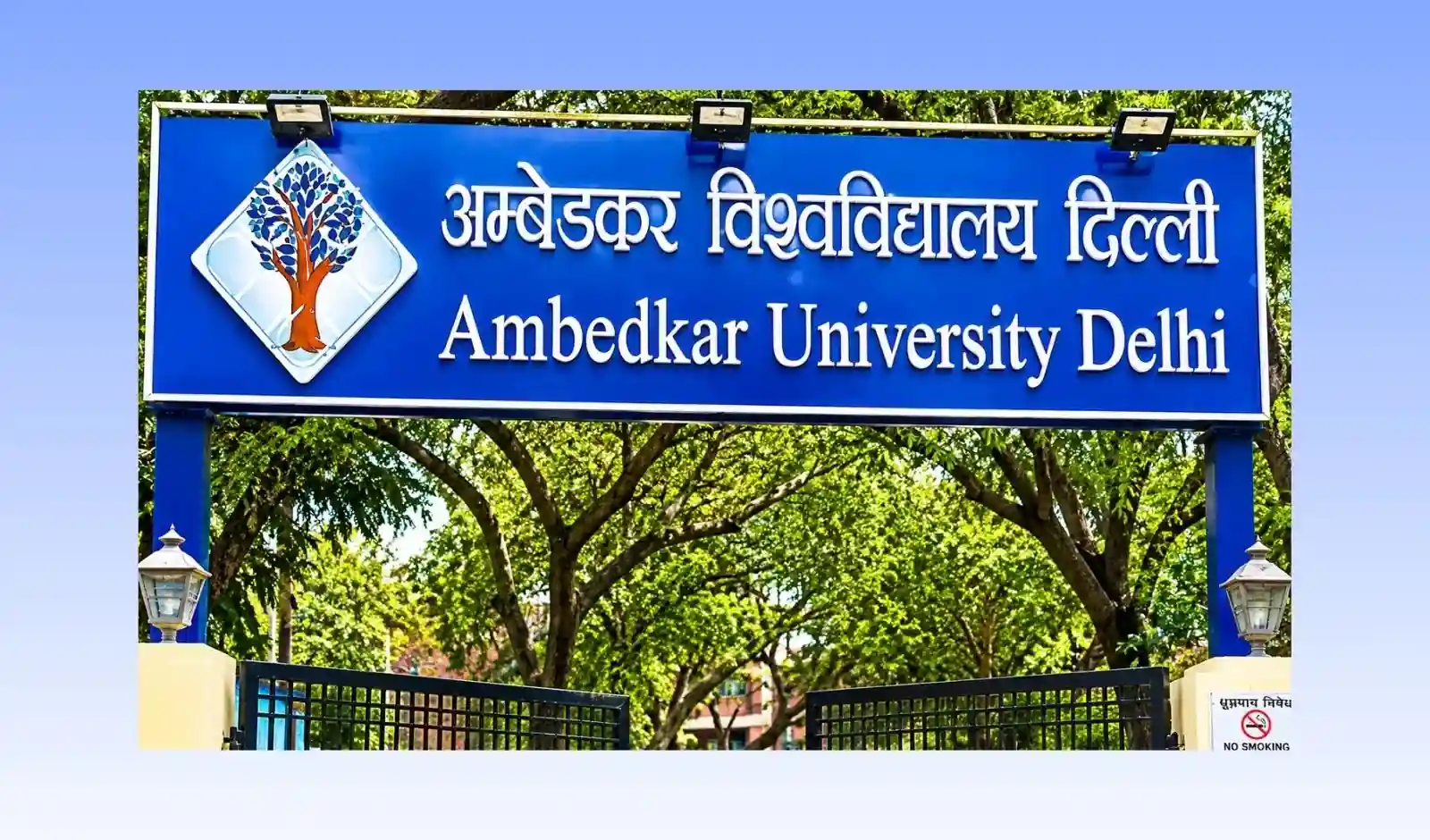
According to education experts, this initiative is being seen as an important step toward providing students with modern, skill-based and career-oriented education aligned with changing industry demands.
Focus on New UG and PG Courses
As part of the new expansion, the university will launch postgraduate programmes such as MA in Creative Writing and MA in Performing Arts (Theatre Arts). Along with this, unique undergraduate programmes like BA in Museology, Culture and Heritage Management are also being introduced, which are rarely offered at Indian universities. AUD will additionally launch BA Visual Arts and BSc Mathematics programmes. Notably, the BSc Mathematics course will include Data Science and Artificial Intelligence as minor specialisations.
The university has also announced one-year PG programmes in subjects such as Psychology, English, Hindi, Economics, Sociology, History and Political Science in line with the National Education Policy (NEP) 2020. Students who have completed a four-year BA programme will be eligible to apply through CUET-PG scores. Experts believe this move will strengthen flexibility and multidisciplinary learning in higher education.
Admissions on More Than 3,000 Seats
According to AUD, the university will offer more than 3,000 seats across nearly 78 UG, PG and PhD programmes during the 2026-27 academic session. Admissions will be conducted through CUET-UG, CUET-PG and NCET examinations. Students will be able to apply through the university’s official admission portal.
Providing relief to applicants, the university has also allowed students to apply for multiple programmes through a single registration fee. In addition, 100 percent fee waivers will be available for SC, ST and PwBD category students, while economically weaker students will also receive special financial support.
Boost to Skill-Based Education
Education experts believe that this initiative by Ambedkar University will not only focus on traditional academics but also help students develop technology-driven, creative, research-oriented and industry-ready skills. In the coming years, such multidisciplinary and career-oriented programmes are expected to make Indian higher education more modern, competitive and globally relevant.


