


 111
/
4
Min Read
111
/
4
Min Read


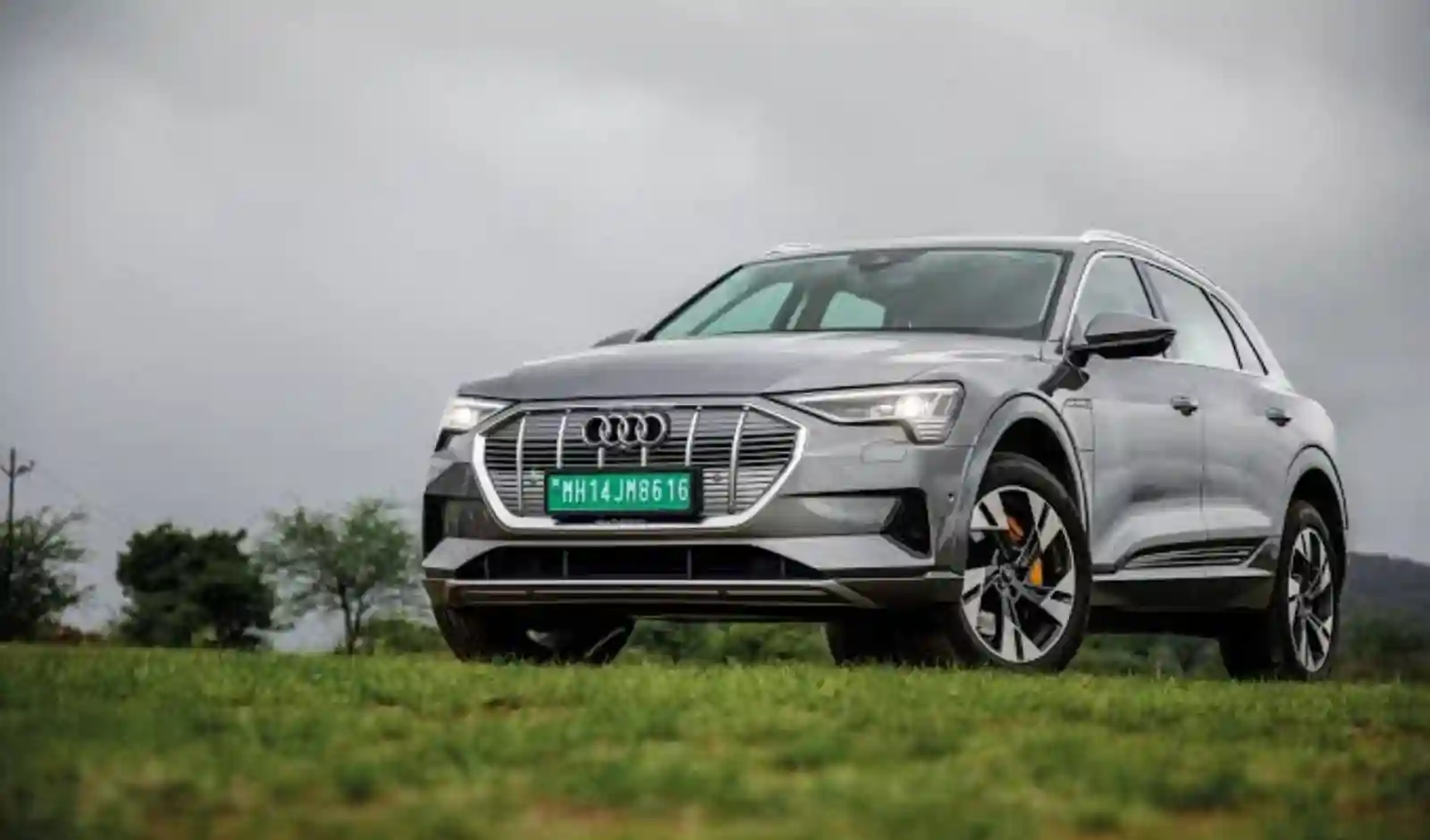
German luxury carmaker Audi has made a major change to its powertrain strategy, moving away from its earlier plan of becoming an all-electric carmaker. The company will now focus on a broader portfolio comprising battery-electric vehicles (BEVs), plug-in hybrids (PHEVs) and internal combustion engines (ICEs).
Audi Global CEO Gernot Döllner said the company reviewed its all-electric strategy after he took charge and concluded that a more balanced approach was needed. According to Döllner, the pace of EV adoption varies significantly across global markets, making it important for Audi to offer different powertrain options based on regional requirements.
EVs Will Continue to Get the Largest Investment
Döllner stressed that the revised strategy does not mean Audi is stepping back from electric vehicles. EV technology remains the company's leading technology, and the majority of Audi's future investment will continue to be directed towards battery-electric vehicles.
He noted that the combustion engine is nearing the end of a nearly 100-year innovation cycle, while battery-electric technology is still at an early stage of development. However, Audi will continue to make selective investments in petrol engines and plug-in hybrid technology where market demand requires them.
PHEVs in Europe, SUVs and ICEs in the US
Audi plans to tailor its powertrain strategy according to the requirements of individual markets. Plug-in hybrids are expected to play an important role in Europe, while the US market will influence Audi's future combustion-engine and PHEV portfolio, particularly for larger SUVs.
The company believes that a one-size-fits-all strategy is no longer suitable for the global automotive market. Audi will increasingly focus on understanding regional customer requirements and developing products accordingly.
Petrol and EVs Remain the Focus in India
In India, Audi's immediate focus will remain on petrol-powered and electric vehicles. Diesel is not part of the company's current strategy for the Indian market.
The future of plug-in hybrid vehicles in India could also depend on the benefits offered under the proposed India-EU Free Trade Agreement (FTA). Audi is also preparing to introduce new electric products in the Indian market.
Audi Moves Towards Local EV Assembly in India
Audi has decided to assemble an electric vehicle in India, although the company has not yet finalised the model or launch timeline.
The Q6 e-tron is among the models being considered for local assembly. The final decision will depend on factors such as expected sales volumes, pricing and the vehicle's suitability for Indian road and operating conditions.
High import duties have made fully imported luxury EVs expensive in India, limiting their market reach. Local assembly could help Audi improve pricing and make its electric vehicles more competitive in the country.
Electric SUVs Seen as More Practical for India
Audi believes electric SUVs offer a more practical proposition for the Indian market. Their higher ground clearance makes them better suited to local road conditions.
While electric sedans have not been ruled out, SUVs are currently considered a more suitable option for expanding Audi's EV presence in India.
India Gains Importance in Audi's Global Development
Audi believes India rapidly developing automotive and manufacturing capabilities have strengthened its position in the global automotive industry.
The company takes several India-specific requirements into account during global vehicle development, including ground clearance, suspension, tyres, weather conditions, dust and fuel quality.
Audi also plans to bring new models to India closer to their global launches, allowing the company to capitalise on the interest generated by international unveilings.
Audi Adopts a More Regional Product Strategy
Audi new approach will place greater emphasis on regional customer requirements. The upcoming Q9 SUV is an example of this strategy, having been developed with American customers in mind and scheduled to make its market debut in the US.
According to Audi, India does not yet have the volumes required for completely India-specific models. However, local market requirements are increasingly being incorporated into the company's global product development process.


