


 125
/
3
Min Read
125
/
3
Min Read


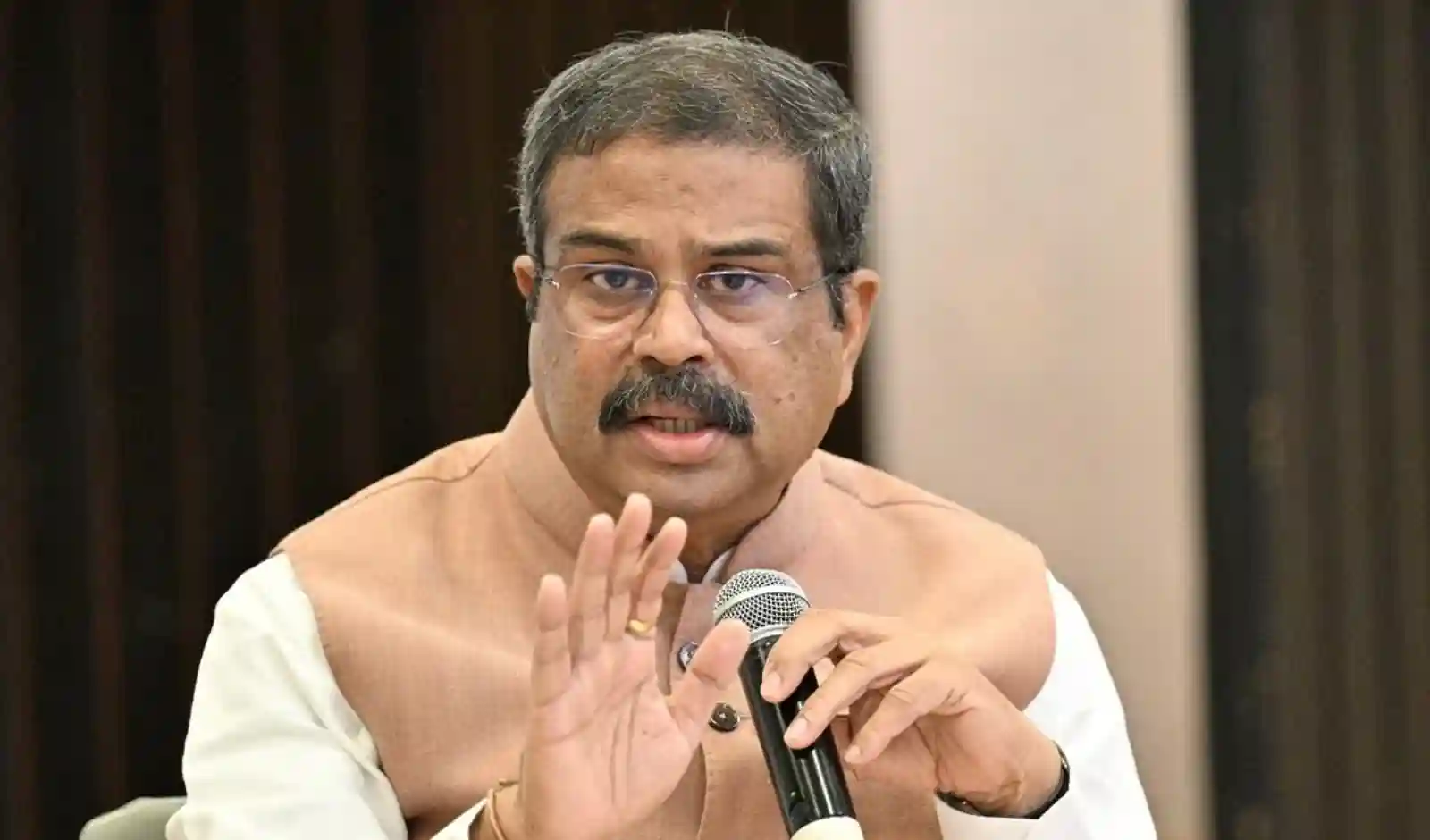
He believes that merely restricting the use of digital devices is not a solution; instead, children must be guided on their proper and responsible usage.
In a recent interview, the minister explained that through the National Education Policy 2020 (NEP 2020), efforts are being made to make the education system more balanced and child-friendly, so that academic pressure can be reduced.
He further stated that rising stress among children is not just a problem but a major social challenge. Today, expectations and competition among children are increasing rapidly. Digital devices have added to this pressure, but the root cause lies in societal mindset and rising expectations.
He emphasized that children should be prepared not only to pass exams but also to face life’s challenges. Excessive screen time, constant comparison on social media and continuous information overload are increasing anxiety and insecurity among children. Today, children are not just studying; they are constantly judging themselves based on others’ opinions.
Not just policy, society also has a responsibility
On mental health, he clearly stated that government policies alone are not enough. Society, parents, and the media must work together. He added that parents need to understand that success is not defined only by coaching or a limited set of examinations. Children need a balanced life that includes studies along with sports, conversations, rest and family time. A healthy environment can protect children from stress.
Major changes in education through NEP 2020
Under the National Education Policy 2020, several important changes are being introduced in education. New curriculum, syllabus, and teaching methods now include sports, arts and skill development.
Bag-less days and skill-based courses aim to reduce the academic burden on children. The focus is shifting from rote learning to understanding and skill development. The minister said that students should not feel limited to exams like JEE or NEET, but should have opportunities to grow in all fields. This 360-degree approach boosts confidence and reduces stress.
Learning becomes easier through mother tongue
Mother tongue-based education has been highlighted as crucial for reducing classroom stress. According to the minister, when children study in their own language, their understanding improves and their confidence increases.
Often, differences between the language spoken at home and the language used in school make children uncomfortable, increasing their stress. Teaching in the mother tongue up to Class 5 and preferably till Class 8, can bridge this gap, making learning more natural and easier.
Balancing digital growth and AI is essential
On digital technology and Artificial Intelligence (AI), the minister said that it should be adopted with awareness and balance. With the rapid growth of internet and smartphone usage in India, ensuring children’s safety and proper guidance is extremely important.
The government is working on initiatives like “AI in Education” and “AI for Education,” along with focusing on data privacy and creating a safe digital environment. He said technology is both an opportunity and a challenge, and it must be used wisely.
Awareness is the biggest safeguard
The minister said that in today’s time, the internet and AI are essential for gaining knowledge. However, awareness is the key to their safe use. Just as fire can be beneficial or harmful depending on how it is used, technology also needs to be handled responsibly.
He emphasized that children should not be left alone with technology but should be guided properly. Every technological shift brings challenges, but with the right education, understanding and collective responsibility, these challenges can be effectively managed.


