


 94
/
2
Min Read
94
/
2
Min Read


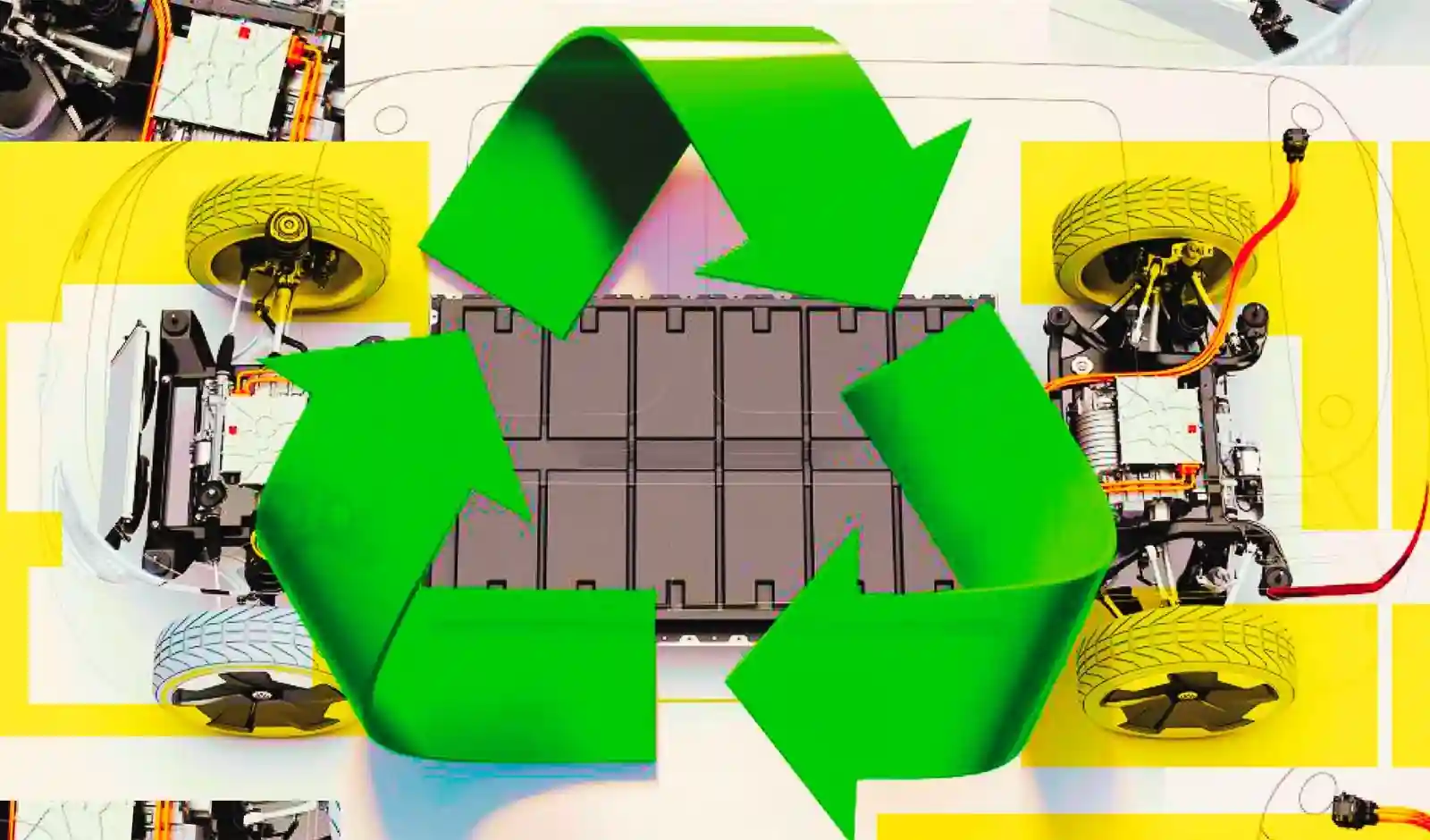
As the number of electric vehicles continues to rise in the capital, the Government of Delhi is preparing to introduce a dedicated EV battery recycling framework under its upcoming EV Policy 2.0. According to media reports, the Delhi Pollution Control Committee (DPCC) is likely to be appointed as the nodal agency responsible for implementing and monitoring the system.
Officials said the initiative is aimed at addressing the future challenge of battery waste as EV adoption increases across the city. A typical electric car battery generally requires replacement after 12–14 years, which makes it essential to develop structured systems for safe disposal and recovery of valuable materials.
The government stated that the new EV policy will not only promote electric mobility but also ensure environmentally safe management of used batteries. To achieve this, the plan includes the development of recycling facilities, battery collection networks and stricter regulatory mechanisms for handling battery waste.
Delhi’s current EV policy, launched in August 2020, has been extended multiple times and is set to expire at the end of this month. The government is expected to introduce EV Policy 2.0 during the upcoming budget session of the Delhi Assembly, which is scheduled to begin in the fourth week of March.
Under the proposed framework, the environment department will ensure that vehicle manufacturers and other obligated entities comply with the Battery Waste Management Rules, 2022, including Extended Producer Responsibility (EPR) norms and mandatory reporting requirements.
The draft policy also proposes establishing battery collection centres across the city under a public–private partnership (PPP) model, in collaboration with authorised recyclers and other eligible organisations. These centres will help safely collect and process discarded EV batteries.
In addition, the government plans to expand the network of public and private EV charging stations to make electric mobility more accessible and convenient for residents.
Officials added that DPCC will issue detailed standard operating procedures (SOPs) to regulate the collection, storage, transportation and transfer of waste batteries to authorised recyclers. The broader focus of the policy will be on expanding EV incentives, strengthening charging infrastructure and developing a robust supply chain for battery management and component recovery.


