


 68
/
3
Min Read
68
/
3
Min Read


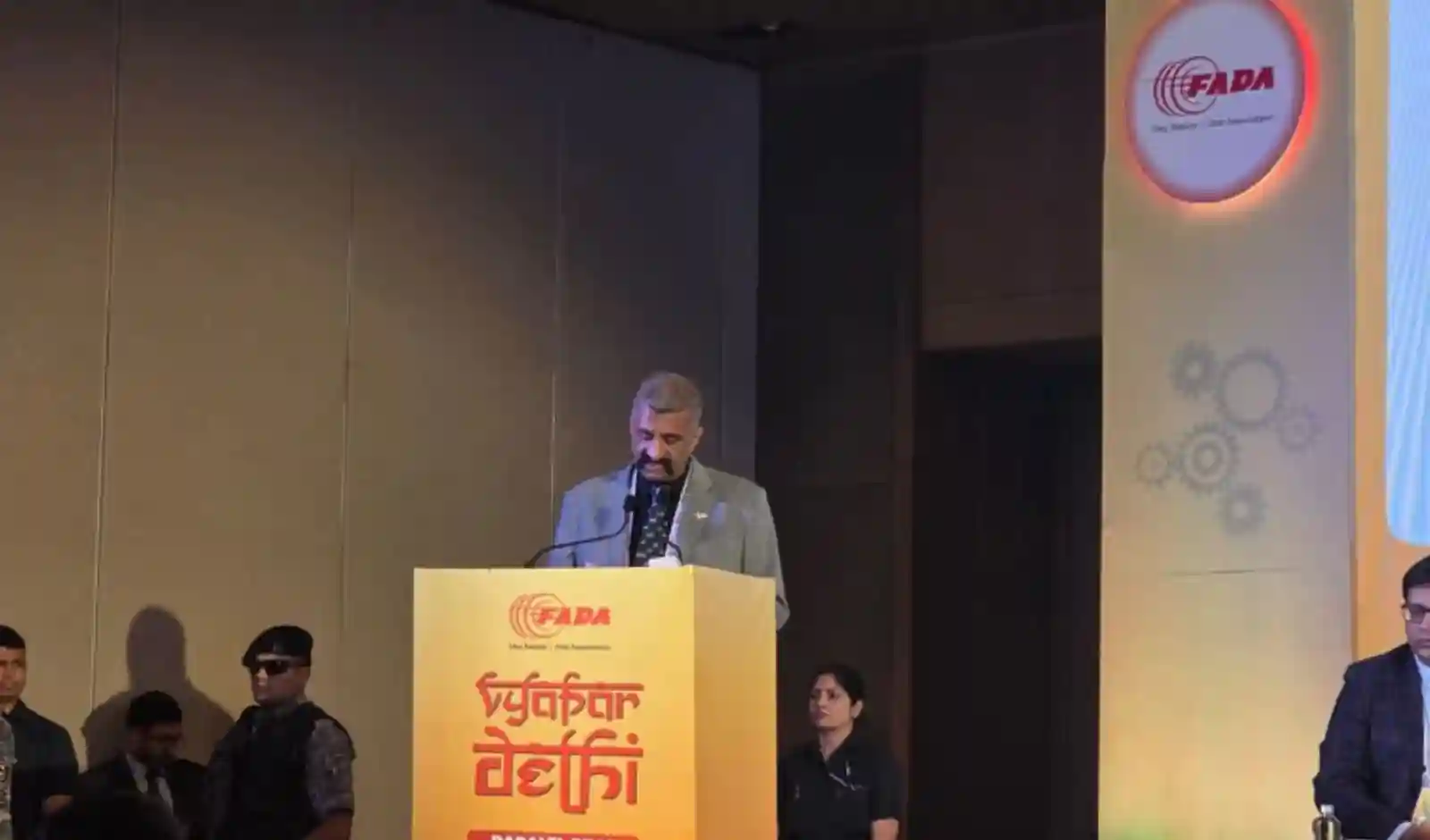
As the Delhi government moves to finalise its electric vehicle (EV) policy, the Federation of Automobile Dealers Associations (FADA) has urged authorities to ensure greater participation of dealers in the policy framework. The association emphasized that while the shift to clean mobility is essential, it must be balanced with the livelihoods of those dependent on the automobile retail ecosystem.
Speaking at an industry event in Delhi, C S Vigneshwar highlighted that the capital plays a crucial role in India’s mobility transition and can serve as a model for the rest of the country. He stated that the industry fully supports EV adoption but stressed that the transition should be “enabling” rather than purely enforcement-driven.
Shailendra Gupta also called on the government to incorporate dealer feedback into upcoming policies, ensuring sustained employment and growth for thousands of families connected to the sector.
Strong Growth in Auto Retail
Delhi’s automobile retail market recorded a 17% growth in March 2026, with two-wheelers rising by 30%, passenger vehicles by 25%, and commercial vehicles by 22%. Over the past year, nearly 800,000 new vehicles were registered in the city. The dealer network, consisting of around 550 outlets, provides employment to nearly 55,000 people and contributes approximately ₹7,150 crore annually to government revenues.
Rapid EV Adoption
EV adoption in Delhi is accelerating, with electric two-wheelers growing by 62%, passenger EVs by 41%, and commercial EVs surging by nearly 700%. While acknowledging this momentum, Gupta noted that the pace of transition will vary across segments and must remain aligned with ground realities.
Dealers as Key Transition Partners
FADA emphasized that dealers will bear a significant share of the operational responsibility in the EV transition, as they serve as the last-mile interface with customers. Dealers are already managing customer education, EV adoption, inventory, and workforce training.
To support a smooth transition, the association outlined three key priorities: policy stability, infrastructure development, and employment generation.
Focus on Infrastructure and Skilling
FADA has proposed setting up 150 public EV charging stations in Delhi and offered to fund them in partnership with the government. It has also recommended establishing training centres and centres of excellence at ITIs to build an EV-ready workforce.
Scrappage and Auto Zone Proposals
The association supported the vehicle scrappage policy while highlighting the need for adequate infrastructure, including scrappage centres. It also proposed developing dedicated auto zones with integrated facilities such as internal roads, solar power, and water treatment systems.
FADA concluded that while it is ready to play a leading role in the EV transition, policy frameworks must remain collaborative and aligned with on-ground realities to ensure that livelihoods across the industry are protected.


