


 84
/
3
Min Read
84
/
3
Min Read


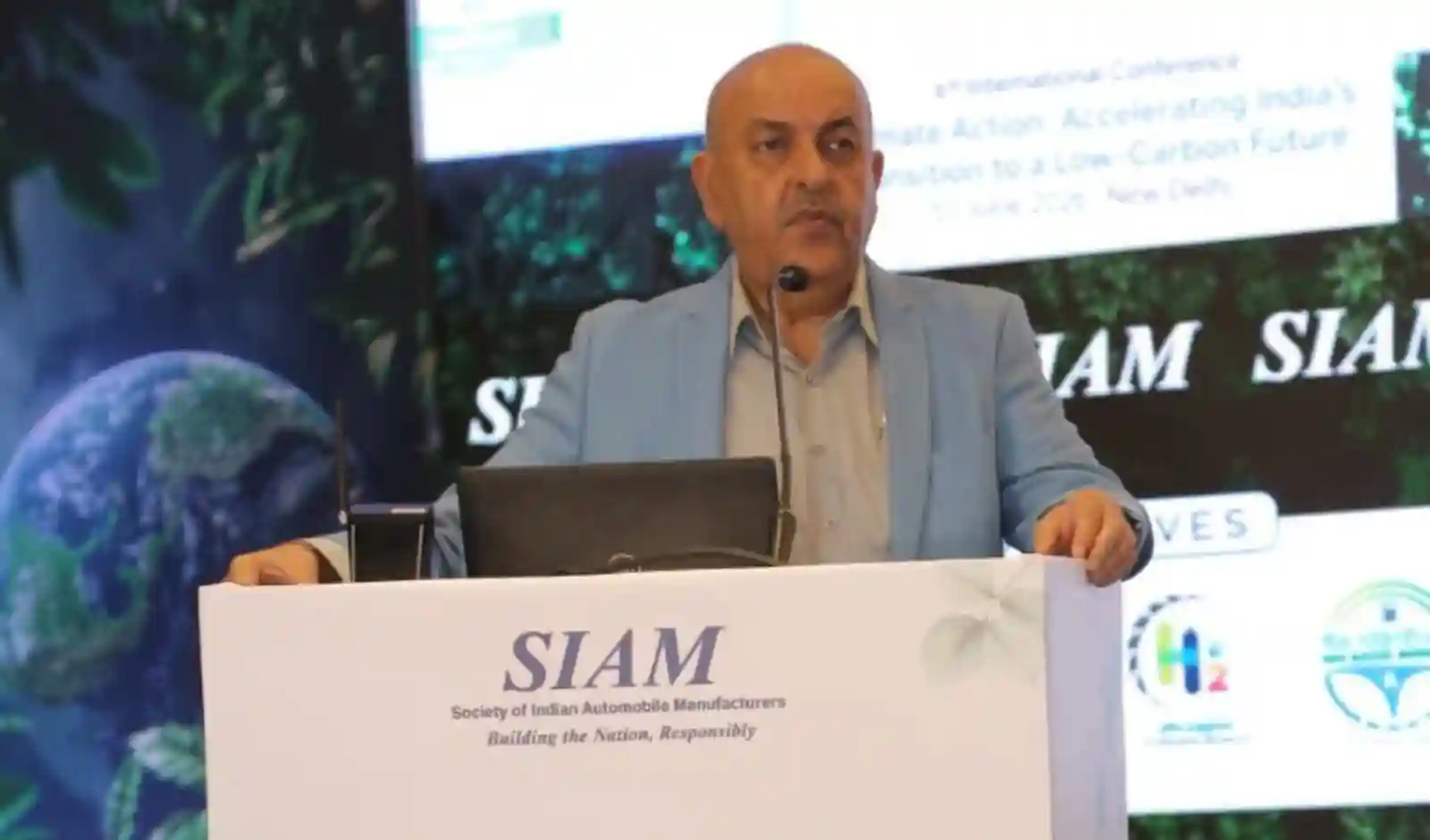
PMO Advisor Tarun Kapoor said expanding electric truck adoption and charging infrastructure will be crucial to reducing diesel consumption and accelerating India's clean mobility transition.
The Government of India is preparing a larger incentive programme for electric trucks following the initial pilot phase under the PM E-Drive scheme, according to Prime Minister's Office (PMO) Advisor Tarun Kapoor. He made the remarks while addressing an event organized by the Society of Indian Automobile Manufacturers (SIAM) on the occasion of World Environment Day.
Kapoor emphasized that the goods transportation sector will play a crucial role in India's energy transition, noting that diesel consumption in the country is nearly twice that of petrol. He said that while electric truck volumes remain low at present, the segment is expected to witness rapid growth in the coming years.
Under the PM E-Drive scheme, the government aims to support the deployment of around 5,000 to 6,000 electric trucks as part of a pilot project. Kapoor stated that the pilot is intended to pave the way for a much larger support programme in the future.
To encourage adoption, the government has allocated Rs 500 crore in subsidies for electric trucks with a gross vehicle weight (GVW) ranging from 3.5 tonnes to 55 tonnes. Incentives are calculated at Rs 5,000 per kilowatt-hour of battery capacity, capped at 10% of the vehicle's ex-factory price.
Electric trucks in the N2 category are eligible for incentives of up to Rs 2.7 lakh, while vehicles with GVW between 7.5 tonnes and 12 tonnes can receive up to Rs 3.6 lakh. To qualify for the subsidy, buyers must scrap an older vehicle and obtain a Certificate of Deposit.
Despite these incentives, electric truck adoption has remained limited so far. Industry experts attribute the slow pace of electrification to high upfront costs, modest subsidy levels, mandatory scrappage requirements, and concerns among fleet operators regarding large-scale deployment.
Kapoor also highlighted the recently approved Delhi-NCR vehicle replacement programme, which aims to replace older trucks and buses with electric and CNG-powered alternatives. He said the initiative is expected to accelerate the adoption of electric trucks in the region.
On charging infrastructure, Kapoor noted that the government has identified nearly 60 highways across the country for the development of EV charging facilities, which will help support the growing electric mobility ecosystem.
Calling for faster adoption of electric vehicles across all segments, Kapoor said electric three-wheelers are ready for immediate large-scale transition, while the two-wheeler segment will require lower costs and innovative financing solutions to drive demand.
Speaking about passenger vehicles, he observed that automakers have expanded consumer choices through new EV launches. However, he stressed that greater efforts are needed to improve affordability and strengthen charging infrastructure.
Kapoor added that electric car sales have shown encouraging growth following recent calls by the Prime Minister to accelerate EV adoption. However, he said India must increase the pace of EV market expansion by at least ten times to achieve its long-term sustainability and energy security goals.


