


 58
/
3
Min Read
58
/
3
Min Read



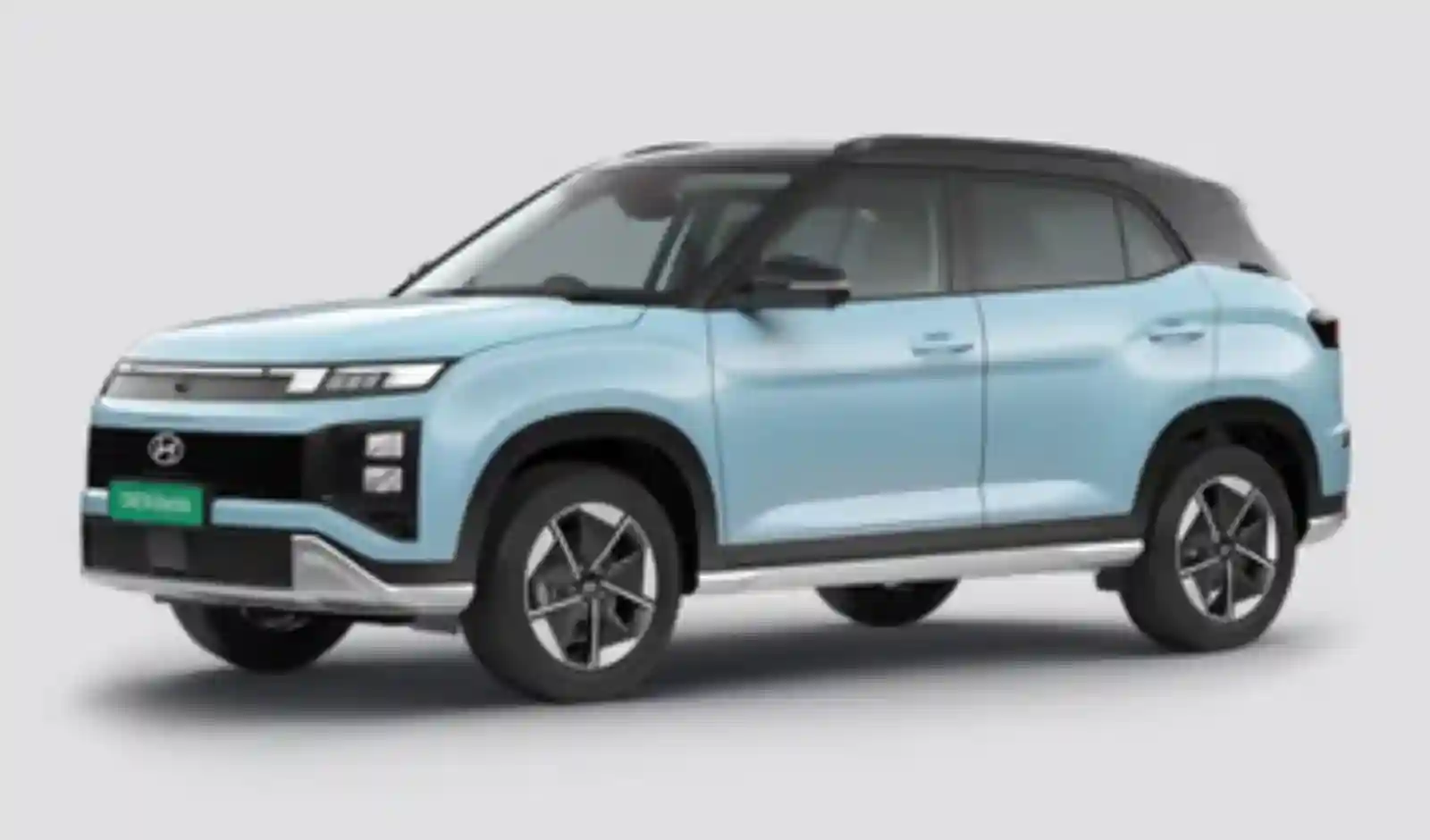
Hyundai Motor India expects electric vehicles (EVs) to account for more than 7% of its domestic sales over the next year. The company believes the growth will be supported by the launch of a new electric SUV designed and developed specifically for Indian customers. The model is scheduled to launch in the fourth quarter of 2026.
The new electric SUV will join Hyundai existing EV portfolio, which includes the Creta Electric and Ioniq 5. According to Tarun Garg, Managing Director and CEO of Hyundai Motor India, the combined performance of the three models could bring Hyundai’s EV penetration close to the current level of the broader passenger vehicle industry.
Unlike the Creta Electric, which is based on the combustion-engined Creta, the upcoming model has been designed and developed from the outset as an electric vehicle specifically for Indian customers.
Garg described it as Hyundai’s first EV developed and designed specifically for India. Hyundai Motor India Engineering (HMIE) is also taking on an expanding role in the company’s product development programmes.
Hyundai has not yet disclosed the new EV price, dimensions, battery capacity or driving range. However, the company has confirmed that it will be a localised electric SUV equipped with a next-generation infotainment system and Level 2 driver-assistance technology.
Sales of the Hyundai Creta Electric have also improved in recent months. Garg said the model recorded around 1,000 units in sales in August, compared with its earlier monthly run rate of around 400-500 units.
He acknowledged that the Creta Electric entered the market alongside several ground-up EVs featuring distinctive designs, making it more challenging for the model to differentiate itself.
However, the company believes some customers are returning to the Creta Electric after evaluating newer EV models and gaining a better understanding of their respective strengths and weaknesses.
Hyundai upcoming electric SUV will initially use battery cells supplied by Svolt. The company decided to proceed with Svolt to avoid delaying the vehicle programme.
Hyundai plans to eventually source locally manufactured battery cells through its association with Exide Industries. The company said its commitment to localisation remains strong and that domestic sourcing will be expanded after ensuring the required quality, pricing and other parameters.
According to Garg, the key factors influencing EV purchases are likely to evolve as Indian consumers gain more experience with electric vehicles and more global automakers enter the segment.
At present, price and driving range remain the primary considerations for EV buyers. However, factors such as customer experience, connectivity, vehicle-to-user communication and artificial intelligence (AI) could become increasingly important in the future.
Hyundai believes its global technology and EV expertise could give the automaker an advantage as the Indian electric vehicle market becomes more competitive.


